
Study: 35% of infants with peanut allergy diagnoses no longer react to the food
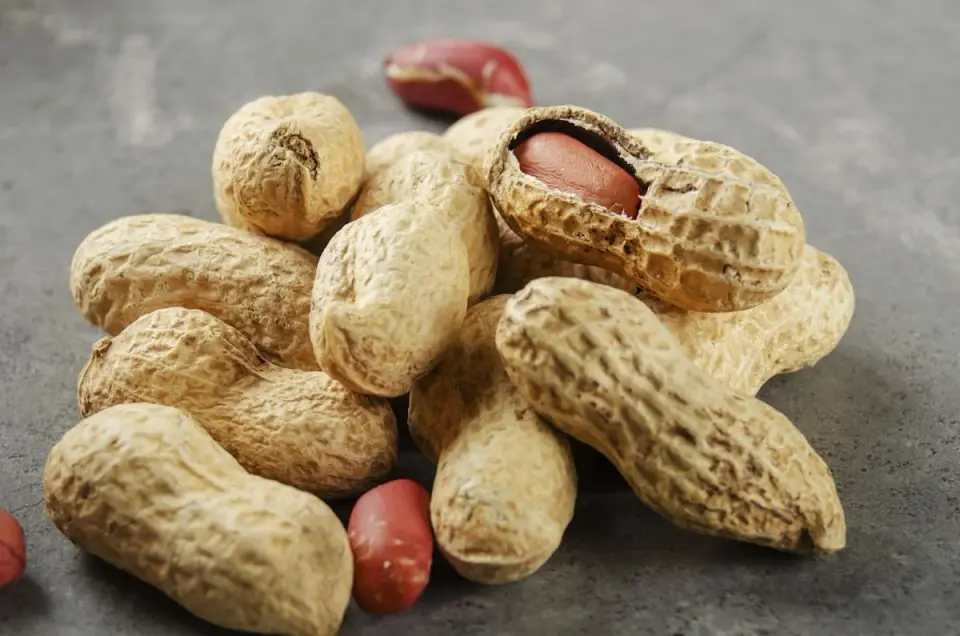
A new study finds that 35% of infants diagnosed with peanut allergies no longer react to the food, suggesting many cases are misdiagnosed. Researchers advocate for routine oral food challenges to confirm diagnoses before starting treatment.
Key points
- A study published in the Journal of Allergy and Clinical Immunology: In Practice found that 35% of infants previously diagnosed with peanut allergies did not react during supervised oral food challenges.
- The research involved 1,275 infants in Australia, with 778 undergoing the food challenge; 271 children (35%) tolerated the peanut without an allergic reaction.
- Researchers argue that clinical history and standard allergy tests (skin prick or blood tests) are insufficient for accurate diagnosis in infants, as these tests can yield false positives.
- The study recommends that oral food challenges be routinely considered to confirm peanut allergy diagnoses before initiating oral immunotherapy or strict avoidance strategies.
- While 12% of participants experienced anaphylaxis during the challenge, all reactions were safely managed in a clinical setting, and no long-term harm occurred.
Background
This finding builds on a decade of shifting medical consensus regarding peanut allergies. In 2015, a major study in the New England Journal of Medicine overturned previous advice to delay peanut exposure, leading the U.S. National Institutes of Health to recommend early introduction of peanut products by 2017. By 2025, a peer-reviewed study in Pediatrics reported a 43% decrease in peanut allergy incidence in the U.S. The current study adds to this trend by highlighting that many infant diagnoses may be transient, further supporting early exposure and re-evaluation of allergy status.
How outlets are covering it
All sources agree on the core finding that 35% of infants with prior peanut allergy diagnoses did not react during food challenges. However, they differ in emphasis: Yahoo Life and U.S. News & World Report focus on the potential for misdiagnosis and the need for re-evaluation, while ABC News highlights the safety of the procedure and the plan to expand the program to cashew allergies. Live Science emphasizes the limitations of current allergy tests and the importance of professional supervision. Experts like Dr. Maria Garcia-Lloret and Dr. Drew Bird support the use of food challenges but caution that they must be conducted in specialized medical settings due to the risk of anaphylaxis. Some experts, like Professor Lyle Gurrin, note that while the findings are encouraging, they do not necessarily make diagnosis easier for general practitioners, as specialized equipment and expertise are required.
Why it matters
Accurate diagnosis of peanut allergies is critical for reducing the burden on families, schools, and healthcare systems. Misdiagnoses lead to unnecessary restrictions, increased costs for allergy management (e.g., EpiPens, specialist visits), and potential psychological stress for children. By identifying infants who no longer have an allergy, families can reintroduce peanuts into their diet, potentially building tolerance and reducing the risk of future reactions. This could also lower healthcare costs by reducing the need for ongoing allergy management and treatment.
What to watch
Researchers are investigating whether the upfront cost of oral food challenges could save money in the long run by reducing the need for ongoing allergy management. The National Allergy Centre of Excellence (NACE) hopes to expand the ADAPT program to cover cashew allergies, which are nearly as prevalent as peanut allergies. Additionally, there is a push to integrate oral food challenges into standard diagnostic protocols for infants with suspected peanut allergies, particularly before starting oral immunotherapy.
- Many diagnosed with a peanut allergy don't realize they may not have it anymore Yahoo
- Study finds one third of infants diagnosed with peanut allergy can eat nuts ABC News & Headlines – Australian Broadcasting Corporation
- One-third of babies diagnosed with peanut allergy don't actually have one, study hints Live Science
- One-Third Of Infant Peanut Allergy Cases Might Be Misdiagnosed, Study Reports U.S. News & World Report
- One in three babies with suspected peanut allergies cleared of the condition in landmark study The Age
Want the full story? Read the original reporting
Read on Yahoo