
Study Finds Teen Colorectal Cancer Is Rare but Often Deadly and Late-Stage
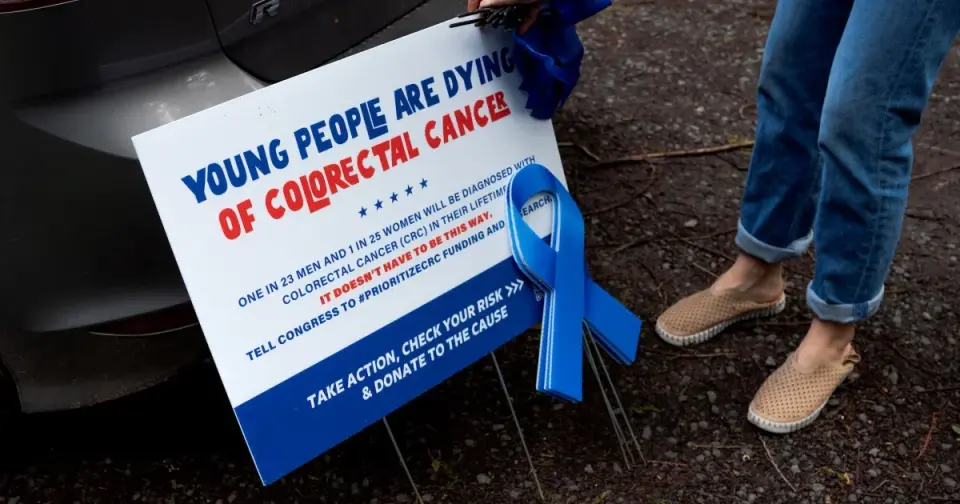
A new study presented at the American Academy of Pediatrics conference reveals that while colorectal cancer in adolescents is extremely rare, it is frequently aggressive and diagnosed at advanced stages. The research highlights significant diagnostic delays and poor outcomes for patients under 21, urging doctors to take vague symptoms like abdominal pain and weight loss seriously in this age group.
Key points
- A study of 84 U.S. patients aged 21 or younger diagnosed between 2012 and 2023 found that 80% had Stage 3 or 4 cancer at diagnosis.
- Approximately 45% of the patients in the study died, and 37% experienced cancer recurrence, indicating high mortality and relapse rates.
- Only 20% of the young patients had a family history of colorectal cancer, suggesting environmental or non-inherited genetic factors may play a role.
- Common symptoms reported included abdominal pain, changes in bowel habits, unexplained weight loss, and rectal bleeding, which are often dismissed as other conditions.
- The findings were presented at the American Academy of Pediatrics national conference in San Diego but have not yet been published in a peer-reviewed journal.
Background
Colorectal cancer rates have been rising among adults under 50, with people born in the 1990s facing four times the risk of diagnosis before age 50 compared to those born in the 1960s. Recent studies have also linked alcohol consumption to increased colorectal cancer deaths in younger adults, while other research explores non-invasive screening methods like saliva tests. This new data focuses specifically on the adolescent population, a group previously less scrutinized for this disease.
How outlets are covering it
NBC News and U.S. News & World Report both emphasize the aggressive nature of the disease and the high mortality rate among young patients. NBC News highlights the potential role of environmental exposures and ultraprocessed foods in causing DNA changes, citing Dr. Kimmie Ng. U.S. News & World Report focuses on the clinical data, noting that 77.4% of cases were colon cancers and 22.6% were rectal. Gizmodo underscores the difference between adolescent and adult colorectal cancer, noting that younger patients often lack family history and have sporadic cases. All sources agree that diagnostic delays are a critical issue, with symptoms often attributed to more common conditions like irritable bowel syndrome. The Tampa Bay source provides general context on rising rates in younger adults but does not detail the specific adolescent study findings.
Why it matters
This research highlights a vulnerable population that is often overlooked in cancer screening and diagnosis. The high rate of advanced-stage diagnoses and poor outcomes suggests that current medical practices may not be adequately addressing colorectal cancer in adolescents. Early detection could significantly improve survival rates, making it crucial for healthcare providers to recognize and investigate symptoms in young patients, even without a family history of the disease.
What to watch
The study will be presented at the American Academy of Pediatrics national conference in San Diego. Researchers will likely continue to investigate the causes of rising colorectal cancer in young people, including the roles of diet, environmental exposures, and genetic mutations. Healthcare providers may update their diagnostic protocols to include colorectal cancer in the differential diagnosis for adolescents with persistent gastrointestinal symptoms.
- When teens get colorectal cancer, it’s often an aggressive form of the disease NBC News
- Colon Cancer Is Rising Among Adolescents U.S. News & World Report
- Colorectal Cancer Is Rising Among Kids and Teens—and It's Not the Same Disease Adults Get Gizmodo
- Colorectal cancer on the rise in adolescent patients, data analysis finds Medical Xpress
- Best of BayCare | Colon Cancer is Affecting Younger Adults tampabay28.com
Want the full story? Read the original reporting
Read on NBC News