
San Francisco’s addiction crisis: 41% of patients denied immediate detox access
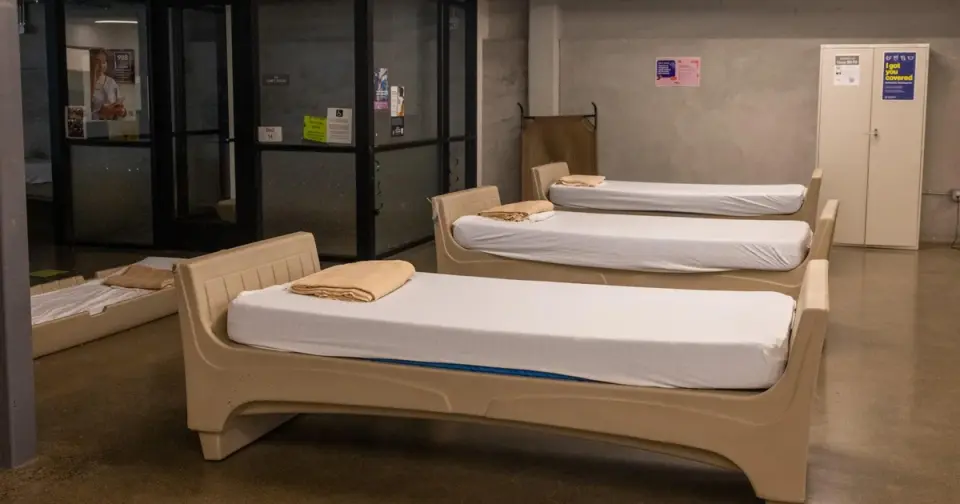
A new San Francisco Department of Public Health report reveals that 41% of individuals seeking residential detox beds in fiscal 2024-25 were turned away on the same day or the next. While the city has expanded access to 78% of other addiction services, residential detox remains a critical bottleneck. The report attributes these turnaways to complex medical and mental health needs, limited bed capacity, and patients leaving before assessments. Public Health Director Daniel Tsai called the gap a 'huge priority' and is seeking state licensing flexibility to serve patients with complex conditions. A 16-bed dual-diagnosis facility is planned for early next year. Despite these efforts, advocates and some residents argue the system still fails to meet demand, with some patients leaving the city to seek treatment elsewhere.
Key points
- In fiscal 2024-25, over 1,000 people in San Francisco requesting residential detox beds were turned away on the same day or the next, representing 41% of those who asked.
- The San Francisco Department of Public Health report attributes turnaways to complex physical or mental health needs (33%), bed capacity issues (21%), and patients leaving before completing clinical assessments (15%).
- The city has expanded on-demand access to 78% of its addiction treatment services, including medications for opioid use, residential treatment, and outpatient programs, but residential detox remains a distinct challenge.
- Public Health Director Daniel Tsai is requesting state flexibility on licensing rules to allow residential providers to serve patients with complex needs and plans to open a 16-bed dual-diagnosis facility early next year.
- Advocates like Liz Breuilly argue the 41% turnaway rate is an underestimate, noting that staff often do not collect data on turnaways, and some patients like Kyle Wellington are leaving San Francisco to seek treatment elsewhere.
Background
San Francisco voters mandated nearly two decades ago that the city maintain enough free and low-cost addiction treatment slots to meet demand. The city has since invested in expanding treatment access, but residential detox, the entry point to longer-term care, has remained a persistent gap. The new report uses updated reporting requirements implemented in fall 2024 to better reflect the consumer experience, moving away from previous metrics that only measured the time from completed clinical assessment to admission.
Why it matters
The inability to provide immediate detox access for a significant portion of those seeking help exacerbates San Francisco's homelessness and public health crises. Patients turned away often return to drug use, as seen in the case of Kyle Wellington, who was turned away in April 2026 and remained on the streets using drugs daily five months later. The gap undermines the city's 'treatment on demand' goals and highlights the need for more flexible licensing and specialized facilities to serve patients with complex medical and mental health needs.
What to watch
The San Francisco Department of Public Health is seeking state flexibility on licensing rules to allow residential providers to serve patients with complex needs. The city also plans to open a 16-bed dual-diagnosis facility for people struggling with both addiction and mental illness early next year. Public Health Director Daniel Tsai emphasized the need to get 100% of those ready for treatment into care, calling the turnaway rate a 'huge priority.'
Want the full story? Read the original reporting
Read on The San Francisco Standard