
Second 2026 LA Typhus Cluster in Wilshire Center Hospitalizes Six
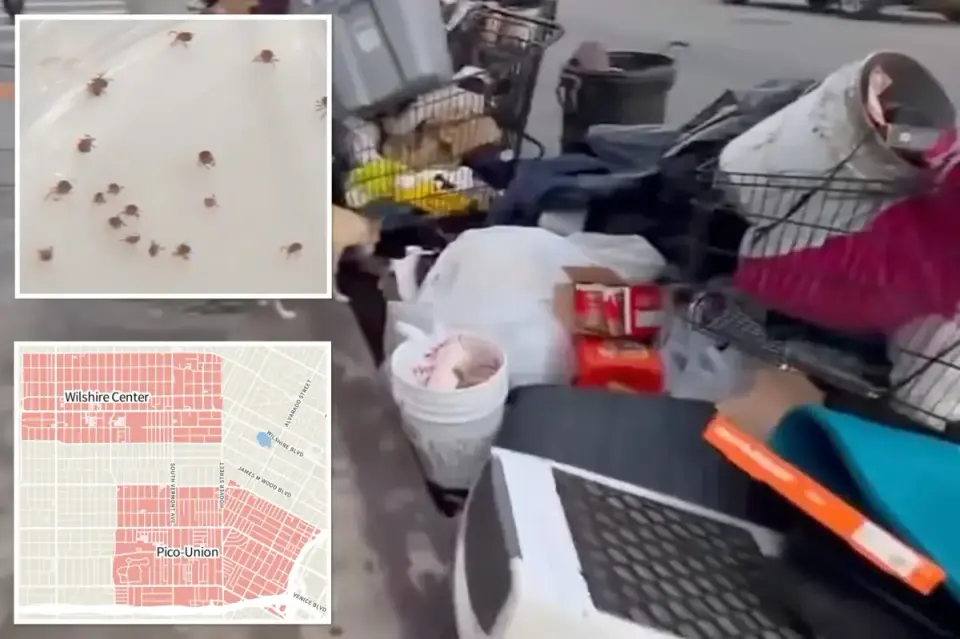
Los Angeles County health officials are investigating a new flea-borne typhus outbreak in the Wilshire Center neighborhood after seven people fell ill and six were hospitalized. This is the second localized cluster reported in 2026, following an earlier incident in Pico-Union. The outbreak occurs against a backdrop of record-breaking typhus cases in the county, with 109 reported so far this year and 220 in 2025. Health experts attribute the rise to flea exposure linked to rats, stray cats, and opossums, urging residents to maintain year-round pet flea control and prevent wildlife from entering homes.
Key points
- Seven individuals became ill in the Wilshire Center cluster, with six requiring hospitalization; all seven have since recovered according to MyNewsLA.
- The outbreak is the second localized cluster in Los Angeles County in 2026, following a Pico-Union incident earlier in the year that hospitalized five people.
- Flea-borne typhus, caused by Rickettsia typhi, is transmitted when infected flea feces enter broken skin or eyes; it does not spread person-to-person.
- Los Angeles County recorded a record 220 cases in 2025, up from 187 in 2024, with nearly 90% of those patients hospitalized.
- 109 cases have been reported across the county so far in 2026, continuing a multi-year upward trend since 2010.
Background
Los Angeles has grappled with flea-borne typhus for over a decade, with significant political and public health attention during 2018 and 2019 outbreaks. Those earlier incidents involved fewer cases (109 in 2018, 92 in 2019) compared to the recent surge. The current rise follows a pattern of increasing cases linked to poor sanitation, homeless encampments, and wildlife presence. Recent archive coverage of other outbreaks, such as measles in Pennsylvania and MRSA in Ireland, highlights broader global trends in infectious disease resurgence, though typhus in LA is distinct in its vector-borne transmission via fleas.
How outlets are covering it
FOX 11 Los Angeles emphasized the connection between the outbreak and the city's rat population, noting that Los Angeles was ranked the 'rattiest' city in America by Orkin last year. They highlighted concerns about rats in Boyle Heights and downtown areas. Patch.com focused on the record-high case numbers and the 17% increase from 2024 to 2025, stressing the severity of the trend. MyNewsLA provided the specific detail that all seven patients in the Wilshire Center cluster have recovered, offering a more positive outcome perspective. The California Post and FOX 11 both cited Dr. Jeffrey Klausner of USC Keck School of Medicine, who stressed that flea contact is the primary exposure route, often linked to homeless encampments or poor sanitation, but also noted that outdoor pets can carry infected fleas. All sources agreed on the need for preventive measures like year-round flea control and rodent-proofing homes.
Why it matters
The resurgence of flea-borne typhus in Los Angeles signals a growing public health challenge linked to urban wildlife and sanitation issues. With nearly 90% of cases requiring hospitalization, the disease poses a significant burden on healthcare systems. The increase in cases from 187 in 2024 to 220 in 2025, and 109 already in 2026, indicates a worsening trend that demands immediate preventive action from residents and local authorities. Understanding the transmission vector (fleas from rats, cats, opossums) is crucial for effective prevention, as the disease is not contagious person-to-person but can be contracted through environmental exposure.
What to watch
Health officials will continue to investigate the Wilshire Center outbreak to identify specific exposure sources and prevent further cases. Residents are urged to implement preventive measures, including year-round flea control for pets, avoiding contact with stray animals, and securing homes against wildlife. The Los Angeles County Department of Public Health will likely monitor case numbers closely through the end of 2026, with potential for further localized clusters if preventive measures are not widely adopted. Public education campaigns may intensify to raise awareness about the risks of flea-borne typhus and the importance of sanitation and pest control.
- Outbreak of gross medieval disease sends six people to hospital in LA neighborhood New York Post
- Localized outbreak of flea-born typhus reported in L.A. neighborhood KTLA
- Typhus cases reported across LA County FOX 11 Los Angeles
- New Typhus Outbreak Hits LA As Flea-Borne Disease Surges To Record Levels patch.com
- Health Officials ID Seven Cases in LA Flea-Borne Typhus Outbreak MyNewsLA.com
Want the full story? Read the original reporting
Read on New York Post