
Tennessee inmate Christa Pike survives lethal injection, prompting statewide execution halt
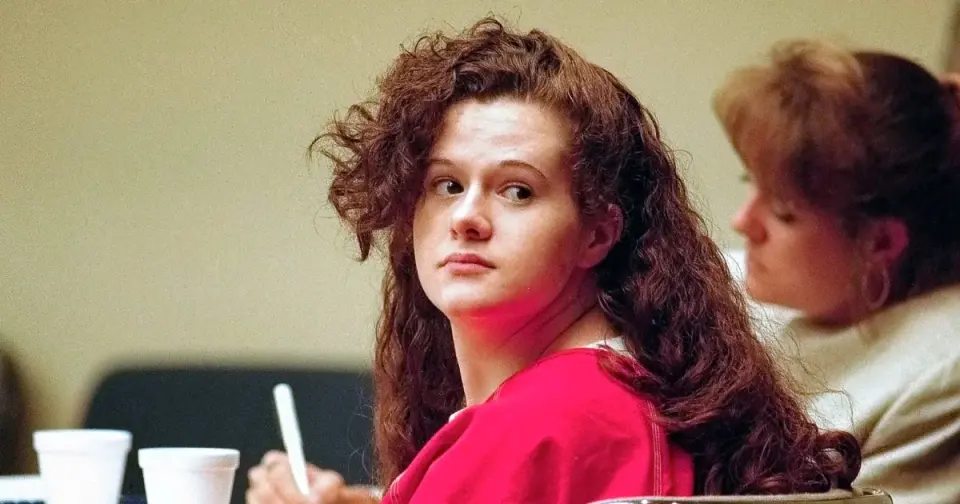
Christa Pike, a 50-year-old Tennessee inmate, survived a lethal injection execution attempt on September 30, 2026. After receiving two doses of pentobarbital, she remained conscious and was hospitalized in critical condition. Governor Bill Lee halted all executions for the remainder of the year and ordered an independent investigation. This marks the second failed execution in Tennessee this year, raising serious questions about the state's lethal injection protocols and the safety of inmates with difficult venous access.
Key points
- Pike survived two doses of pentobarbital, remaining conscious and breathing for at least five minutes after the second injection.
- Lawyers reported that at least seven needles were used in Pike's left arm, with one appearing bent, and that her right arm turned purple after the second dose.
- Medical experts suggest the drug may have infiltrated surrounding tissue rather than entering the bloodstream, causing blistering and burning at injection sites.
- Governor Bill Lee halted all executions for 2026 and ordered a third-party investigation, calling the incident a 'tragedy.'
- Pike's attorneys have appealed the execution and urged the governor to commute her sentence, citing her lifelong venous issues.
Background
Pike was convicted in 1996 for the 1995 murder of Colleen Slemmer, a 19-year-old classmate. She was the only woman on Tennessee's death row and was set to be the first woman executed in the state in over 200 years. This is the second failed execution in Tennessee this year; in May, Tony Carruthers was granted a one-year reprieve after executioners could not find a vein for a backup IV. In 2022, Tennessee paused executions after a failed drug test, leading to an overhaul of its lethal injection protocol.
How outlets are covering it
NBC News and The New York Times emphasize the medical failures, citing lawyers' accounts of multiple needle attempts, bent needles, and tissue damage. Axios highlights the political fallout, noting that Senator Marsha Blackburn called for the return of the electric chair, while Pike's attorneys demanded a commutation. WBAL-TV provides historical context, noting that while botched executions are rare, lethal injection has the highest rate of such failures, and no prior case has involved a survivor after two doses. All sources agree on the critical condition of Pike and the governor's halt of executions, but differ on the emphasis: NBC and NYT focus on the procedural horror, Axios on the political response, and WBAL on the statistical rarity of such an outcome.
Why it matters
The failed execution of Christa Pike has sparked a national debate over the ethics and safety of lethal injection, particularly for inmates with difficult venous access. The incident has led to a statewide halt of executions and an independent investigation, raising questions about the state's protocols and the potential for prolonged suffering. It also highlights the political tensions surrounding the death penalty, with some calling for a return to older methods and others demanding a commutation. The case underscores the need for greater transparency and oversight in the administration of lethal injections.
What to watch
The independent investigation ordered by Governor Bill Lee is expected to examine the circumstances surrounding the failed execution. Pike's attorneys have appealed the execution and are pushing for a commutation of her sentence. The state's response to the investigation and the outcome of Pike's legal appeals will likely determine whether executions resume in Tennessee in 2027. The case may also lead to broader reforms in lethal injection protocols across the country.
- Christa Pike is in critical condition after a failed execution in Tennessee, her lawyers say NBC News
- How Did Christa Pike Survive Two Lethal Injections of Pentobarbital? The New York Times
- Lawyers: Pike getting "life-saving care" after failed execution Axios
- ‘It was a mess’: Tennessee fails to execute woman after 2 lethal injections NBC News
- How common are botched executions? Here's what the data shows WBAL-TV
Want the full story? Read the original reporting
Read on NBC News