
Cornell Campus Fractures as Vandalism and Strict Protest Rules Follow Gang Rape Lawsuit
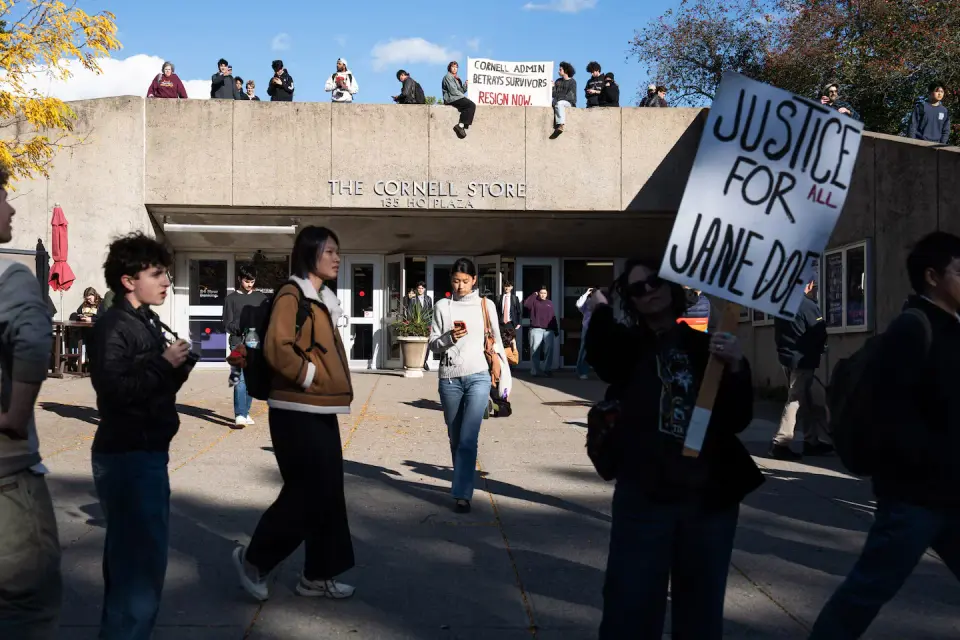
Cornell University is facing severe internal unrest following a civil lawsuit alleging a 2024 drugged gang rape by seven fraternity members. While students have engaged in vandalism and sit-ins to demand accountability, the university’s strict penalties for protesting have created a climate of fear. Simultaneously, New York Attorney General Letitia James has launched a special criminal investigation to review the evidence, facing challenges regarding lost digital data and New York’s consent laws.
Key points
- A 20-year-old sophomore filed a civil suit alleging she was drugged and raped by seven Chi Phi fraternity members in 2024, leading to campus-wide outrage.
- Students vandalized the administration building and staged a seven-hour sit-in at the Toni Morrison Dining Hall, but fear of university disciplinary actions has suppressed further open protest.
- Attorney General Letitia James was appointed as special prosecutor to review the case, with the goal of determining who knew what and why initial charges were not filed.
- Legal experts note that New York’s 'mental incapacitation' law creates a hurdle, as the victim admitted to consuming alcohol and drugs, which complicates proving lack of consent.
- Cornell is conducting a separate internal review led by former Deputy Attorney General Sally Q. Yates to assess its response to sexual misconduct allegations.
Background
This situation follows a September 2026 civil lawsuit and earlier protests where students demanded transparency after the Tompkins County District Attorney declined to bring criminal charges. Previous coverage highlighted gaps in the 2024 investigation, including unreviewed phone records, and noted that the case drew national attention from political figures and advocacy groups.
How outlets are covering it
The Washington Post emphasizes the emotional and physical climate on campus, highlighting how the university’s strict protest rules have silenced students despite their fury over the lawsuit. CNN focuses on the procedural and legal hurdles facing the new special prosecutor, detailing the 'avalanche' of evidence and the specific legal challenges posed by New York’s consent statutes. While the Post centers on student agency and fear, CNN centers on the forensic and judicial process required to resolve the case.
Why it matters
The case tests the limits of university authority over student expression and the efficacy of state-level interventions in campus sexual violence cases. It highlights the tension between institutional discipline and public accountability, as well as the legal complexities of prosecuting cases involving voluntary intoxication under current New York law.
What to watch
Attorney General Letitia James will continue gathering evidence and interviewing witnesses, potentially seeking grand jury action or issuing a report. Cornell’s internal review led by Sally Q. Yates will assess the university’s handling of the allegations. The outcome of the special prosecution will determine if criminal charges are brought against the seven accused fraternity members.
- Rape report has Cornell students furious, but protest rules have them afraid The Washington Post
- How Cornell University Chi Phi Fraternity Members Responded After Rape Accusation The New York Times
- What’s next for the investigation into sexual assault allegations at Cornell CNN
- How not to make campuses safer The Economist
- Leaked texts show Jane Doe’s messages days after alleged Cornell frat assault NewsNation
Want the full story? Read the original reporting
Read on The Washington Post