
Sandra Day O'Connor's Legacy: Reflections on Affirmative Action and Honoring Her Memory
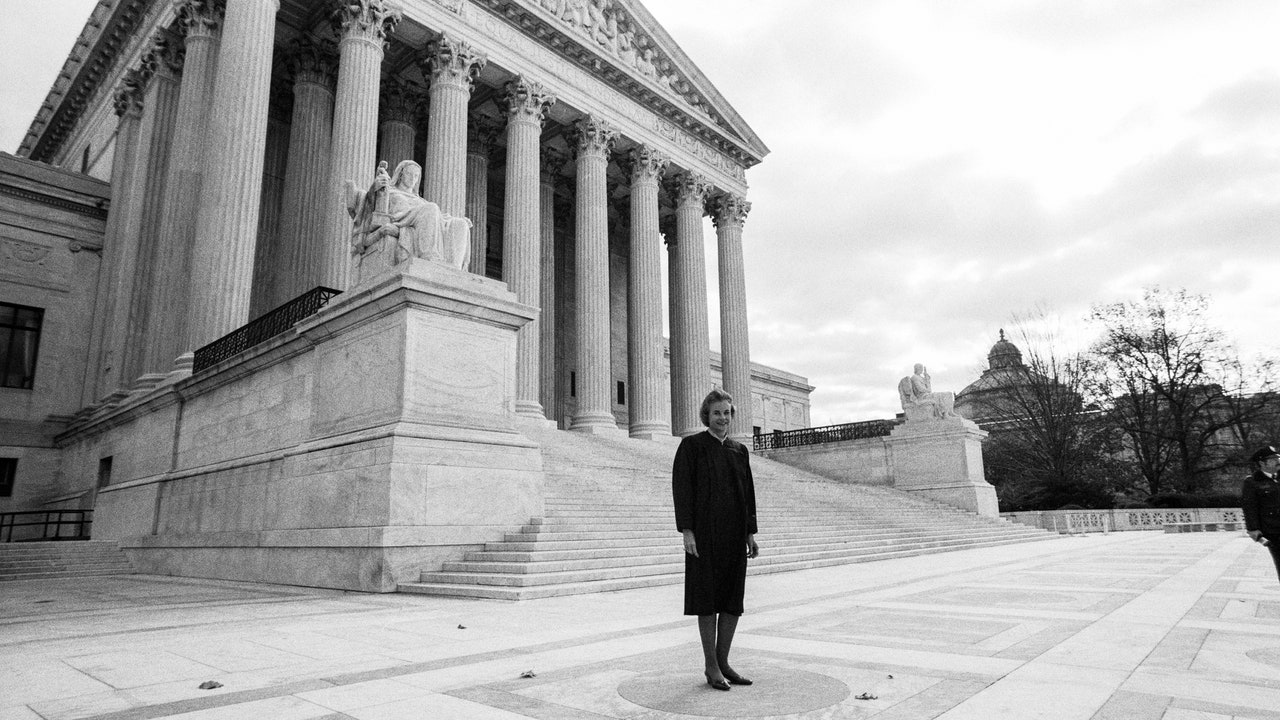
The death of Sandra Day O'Connor, the first female Supreme Court Justice, raises questions about gender in college admissions and affirmative action. O'Connor's approval of race-conscious affirmative action in the 2003 Grutter v. Bollinger case, which upheld diversity in university admissions, may have been influenced by her own experiences with gender discrimination. While Title IX prohibits sex discrimination in federally funded educational institutions, private colleges are exempt, allowing them to use quotas or impose higher admissions standards on women. Despite efforts to limit their success, women now make up nearly 60% of college students and often outperform men academically. Selective colleges aiming for gender balance must admit women at lower rates than men, leading to concerns about maintaining academic standards.
- What Would Sandra Day O'Connor Have Thought About Affirmative Action for Men? The New Yorker
- Austin High holds memorial for El Pasoan, first female justice Sandra Day O'Connor KVIA
- Justice Sandra Day O'Connor to lie in repose at the Supreme Court before National Cathedral funeral NBC4 Washington
- Austin High School holds memorial honoring Sandra Day O’Connor KTSM 9 News
Reading Insights
0
12
4 min
vs 5 min read
86%
884 → 120 words
Want the full story? Read the original article
Read on The New Yorker