
US transfers 18 suspects in Haiti president’s 2021 killing to Florida for trial
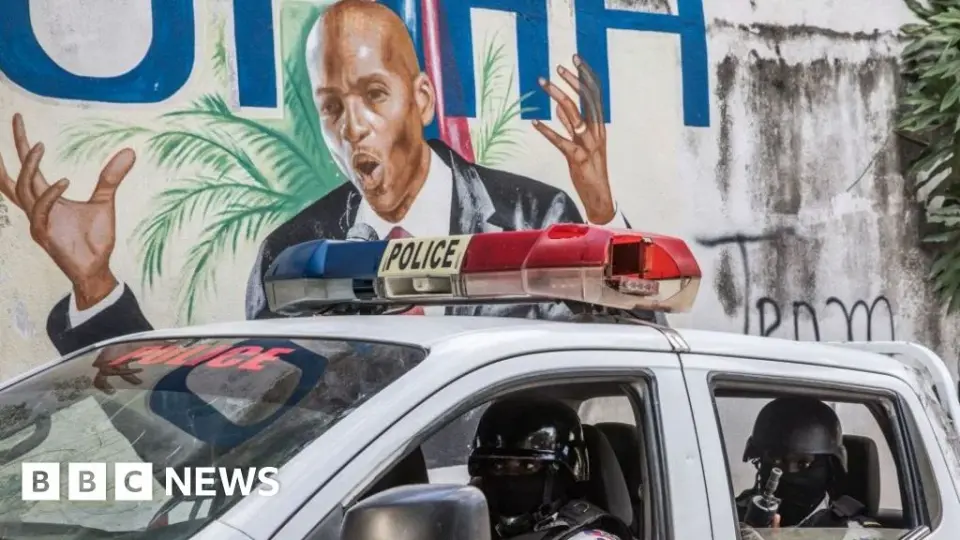
Eighteen suspects, including 17 Colombian former soldiers and a former Haitian official, were transferred from Haiti to Florida to face US charges for the 2021 assassination of President Jovenel Moise. US prosecutors state 30 individuals have been indicted in the case, with four already convicted in Miami. The transfer marks a significant step in a five-year investigation, though Haiti’s domestic justice system remains stalled by gang violence and legal disputes over the transfer's status.
Key points
- 18 suspects were flown from Port-au-Prince to Florida on September 20, 2026, to stand trial for the July 2021 assassination of President Jovenel Moise.
- The group includes 17 Colombian ex-soldiers and Joseph Felix Badio, a former official in Haiti’s anti-corruption unit.
- US Attorney Jason Reding Quiñones stated that 30 suspects have been indicted in total, with four already convicted in a May 2026 Miami trial.
- Prosecutors allege the plot was financed and orchestrated from Florida, the Dominican Republic, and Haiti, with costs estimated at $343,000.
- Haiti’s justice system has failed to hold a trial in five years due to gang control, leading to reliance on US federal courts for accountability.
- The suspects face potential life sentences for conspiracy to kill or kidnap the president and providing material support.
Background
President Jovenel Moise was shot dead at his home in Port-au-Prince in July 2021. Since then, Haiti has faced severe gang violence, with over 1,400 people killed in the first half of 2026 alone. The country is preparing for its first presidential election since 2016 in December, though security concerns remain. Previous US trials in 2026 resulted in convictions for four co-conspirators linked to a Miami-based security firm.
How outlets are covering it
The BBC and The Guardian emphasize the international scope of the arrests and the US commitment to accountability, noting the transfer as a major phase in the investigation. The Miami Herald provides a more nuanced view, highlighting that US officials described the move as a 'foreign transfer of custody' rather than a formal extradition, citing the lack of a bilateral treaty. The Herald also notes that Haitian authorities initially resisted handing over Joseph Badio, who is central to their own stalled investigation. While US prosecutors focus on the conspiracy's financing in Florida, Haitian legal experts dispute the transfer's legality and worry that US trials will prevent suspects from facing justice in Haiti.
Why it matters
This transfer represents a critical shift in the five-year investigation into the assassination of a head of state, moving the case from a stalled domestic system to US federal courts. It highlights the intersection of international crime, gang violence in Haiti, and US foreign policy. The outcome of these trials could set precedents for prosecuting transnational conspiracies and may influence the stability of Haiti’s upcoming elections.
What to watch
The 18 suspects are scheduled to make their first appearances in federal court in Miami on Monday, September 21, 2026. A trial for Christian Emmanuel Sanon, a key defendant, is set to begin on September 28. US prosecutors plan to continue pursuing the remaining indicted individuals, while Haiti’s justice ministry awaits potential cooperation from US authorities to advance its own domestic investigation.
- Haiti extradites 18 suspects in assassination of president to US BBC
- Suspects in 2021 killing of Haitian president flown to US to face trial Reuters
- 30 indicted in Moïse assassination. 18 transferred from Haiti to stand trial in U.S. Miami Herald
- Thirty More Arrested in Jovenel Moïse Assassination The New York Times
- More than a dozen arrested in connection with 2021 assassination of Haitian president theguardian.com
Want the full story? Read the original reporting
Read on BBC