
US Expands Sanctions on South Africa Over White Discrimination Claims
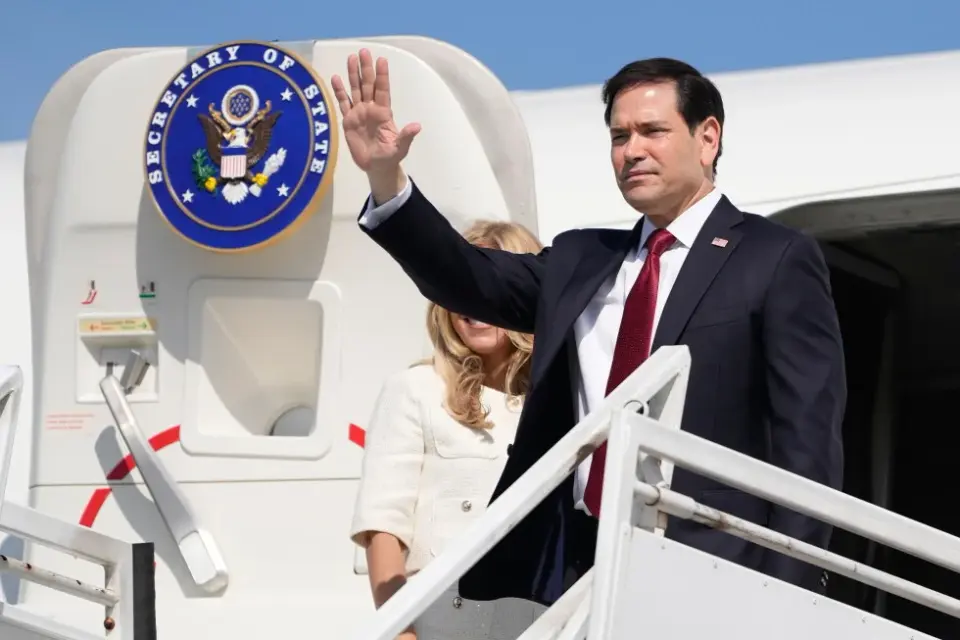
The US government has imposed new visa restrictions on selected South Africans, citing alleged anti-white discrimination and land seizures. This action follows the launch of a refugee program for Afrikaners, which has recently seen dozens of applicants rejected by US Citizenship and Immigration Services (USCIS). South African President Cyril Ramaphosa has condemned the measures as racist, while Washington warns of further punitive steps if Pretoria does not address its concerns.
Key points
- The US State Department announced visa restrictions targeting specific South Africans, though the identities of those affected are not publicly disclosed.
- The restrictions are part of a broader series of punitive measures, including barring South African officials from G20 meetings and phasing out HIV treatment aid.
- The US launched a refugee program for Afrikaners in May 2025, admitting over 13,000 individuals, but recent rejections have left many applicants confused and stranded.
- USCIS rejections often cite criminal histories or 'acts of torture,' with some applicants denied due to minor offenses or family members' backgrounds.
- South African President Cyril Ramaphosa has labeled the US policies as racist, while the US maintains that South Africa has failed to address alleged discrimination against white people.
Background
This development follows earlier US actions in 2025, including an executive order to accept Afrikaner refugees and the exclusion of South African officials from international economic blocs. The current visa restrictions represent an escalation in a dispute that began when President Trump accused South Africa of 'genocide' against white people, a claim widely dismissed as false by international observers and the South African government.
How outlets are covering it
The AP and The New York Times emphasize the US government's stance that South Africa has not addressed anti-white discrimination, framing the visa restrictions as a precursor to further sanctions. The Guardian, however, highlights the human impact on white South Africans who were rejected by USCIS, noting that many believed the refugee program was a viable escape from perceived persecution. While AP and NYT focus on the political and diplomatic dimensions, The Guardian provides a ground-level view of the confusion and financial hardship faced by rejected applicants, some of whom had already sold their homes in anticipation of relocation. The outlets differ in their emphasis: AP and NYT present the policy as a continuation of a broader punitive strategy, while The Guardian underscores the unpredictability and harshness of the USCIS review process.
Why it matters
The escalating tensions between the US and South Africa over racial policies and refugee admissions highlight the intersection of domestic US immigration politics with international relations. The visa restrictions and refugee rejections could strain diplomatic ties and raise questions about the consistency and fairness of US immigration policies, particularly regarding the treatment of white South Africans versus other refugee populations.
What to watch
The US has warned that the visa restrictions are 'only the first step' in a series of escalatory measures. Further sanctions or punitive actions may follow if South Africa does not change its policies. Additionally, the outcome of ongoing USCIS reviews and potential appeals or legal challenges from rejected applicants will be closely watched.
- Trump administration hits South Africa with new sanctions over alleged discrimination against whites AP News
- Trump Bars Some South Africans Over Claims of Anti-White Discrimination The New York Times
- U.S. slaps South Africa with new sanctions due to alleged discrimination against White people CBS News
- Rubio announces US visa curbs for some foreign nationals from South Africa Reuters
- ‘I believed the hype’: the white South Africans denied refugee status in the US The Guardian
Want the full story? Read the original reporting
Read on AP News