
Cornell Case Escalates: Death Threats, Legal Challenges, and Nationwide Protests
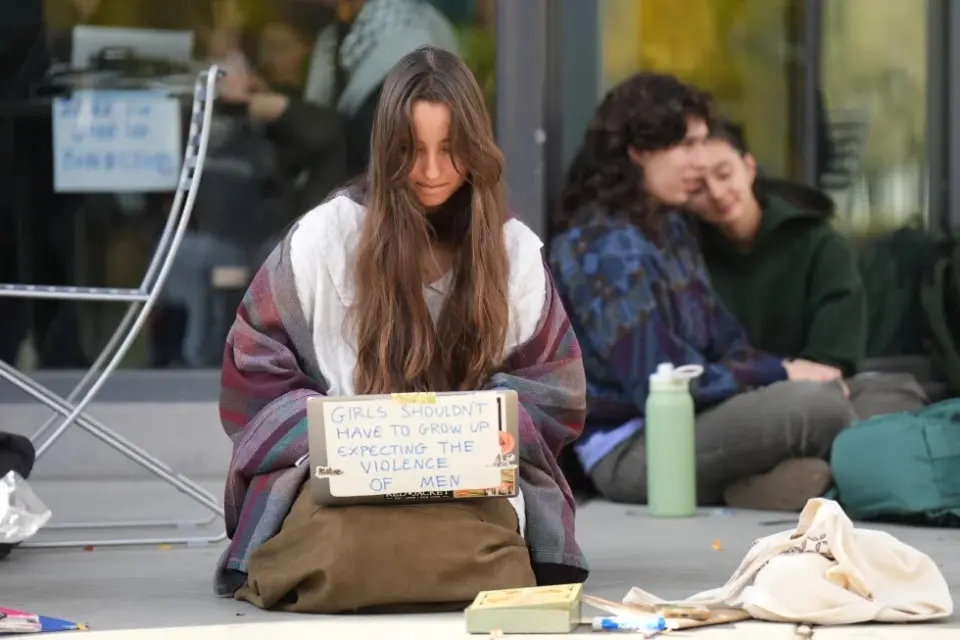
The Cornell University sexual assault case has intensified with death threats against the accuser, Jane Doe, and a legal challenge to New York Attorney General Letitia James’s role as special prosecutor. While Doe’s attorney cites severe safety risks, defense lawyers argue the investigation is biased. Simultaneously, nationwide protests and an independent review by former Deputy Attorney General Sally Yates highlight growing scrutiny of the university’s handling of the 2024 allegations.
Key points
- Jane Doe’s attorney, Thomas Giuffra, reported that Doe received death threats and a 'swatting' incident involving armed police at her home, citing public doxxing as the cause.
- Attorney Andrew Miltenberg filed an Article 78 petition in Albany County Supreme Court to block AG Letitia James from leading the investigation, citing her prior social media support for Doe as evidence of bias.
- Gov. Kathy Hochul appointed James last week to determine if criminal charges are warranted, following criticism of Tompkins County DA Matthew Van Houten’s initial decision to decline charges.
- Cornell University announced that former Deputy Attorney General Sally Yates will lead an independent review of the university’s sexual assault policies and its response to the 2024 incident.
- Over 150 protests were held across more than 40 states on Oct. 8, organized by groups including Women's March, demanding accountability for sexual violence on college campuses.
- The Ithaca Common Council passed a 9-1 vote to impose a moratorium on event and noise permits for Cornell-affiliated organizations through Nov. 5 due to public safety concerns.
Background
This development follows a civil lawsuit filed in September 2026 by Jane Doe, alleging she was drugged and gang-raped by seven Chi Phi fraternity members in October 2024. Previous coverage noted that Tompkins County DA Matthew Van Houten reopened the criminal investigation after reviewing new statements, while Cornell’s Title IX process resulted in expulsions and suspensions for some members. The case has sparked national debate over campus safety and the credibility of initial police and university responses.
How outlets are covering it
AP News focuses on the legal challenge to AG James’s appointment, highlighting the defense argument that her public statements demonstrate a presumption of guilt. NBC News details the specific Article 78 petition filed by Gillio Lopes’s attorney, emphasizing the conflict between the governor’s support for James and the defense’s claim of bias. USA Today shifts the focus to the broader social impact, detailing the scale of nationwide protests and the connection to other campus sexual assault cases, such as the one at Louisiana State University. CNN provides a comprehensive view of the escalating tensions, including the death threats against Doe, the Ithaca permit moratorium, and the call for Cornell President Michael Kotlikoff’s resignation by faculty members. While all sources agree on the factual timeline of the appointments and protests, they differ in emphasis: AP and NBC focus on the legal maneuvering, USA Today on the social movement, and CNN on the immediate safety and institutional fallout.
Why it matters
The case represents a critical test for how universities and state authorities handle sexual assault allegations. The legal challenge to the special prosecutor and the independent review by a former federal official signal a potential shift in how such cases are investigated. The nationwide protests and the surge in calls to the National Sexual Assault Hotline indicate that this case has become a catalyst for a broader national conversation about accountability, consent, and institutional transparency in higher education.
What to watch
The Albany County Supreme Court will review the Article 78 petition challenging AG James’s appointment. The independent review led by Sally Yates is expected to produce findings on Cornell’s adherence to its own policies. The Ithaca permit moratorium will expire on Nov. 5 unless extended, and the Cornell Faculty Senate is expected to vote on a no-confidence resolution regarding the university’s administration on Oct. 14.
- Cornell gang-rape accuser was ‘misled’ about criminal investigation, her lawyer says AP News
- Opinion | We Don’t Know How to Talk About Cornell The New York Times
- Cornell defendant is fighting AG Letitia James’ appointment as special prosecutor NBC News
- Nationwide demonstrations planned in wake of Cornell sexual assault case USA Today
- Jane Doe is getting death threats as pressure builds from Cornell sexual assault investigation and students stage sit-in CNN
Want the full story? Read the original reporting
Read on AP News