
Clancy Defense Pivots to Insufficient Evidence as Judge Delays Ruling on Retrial
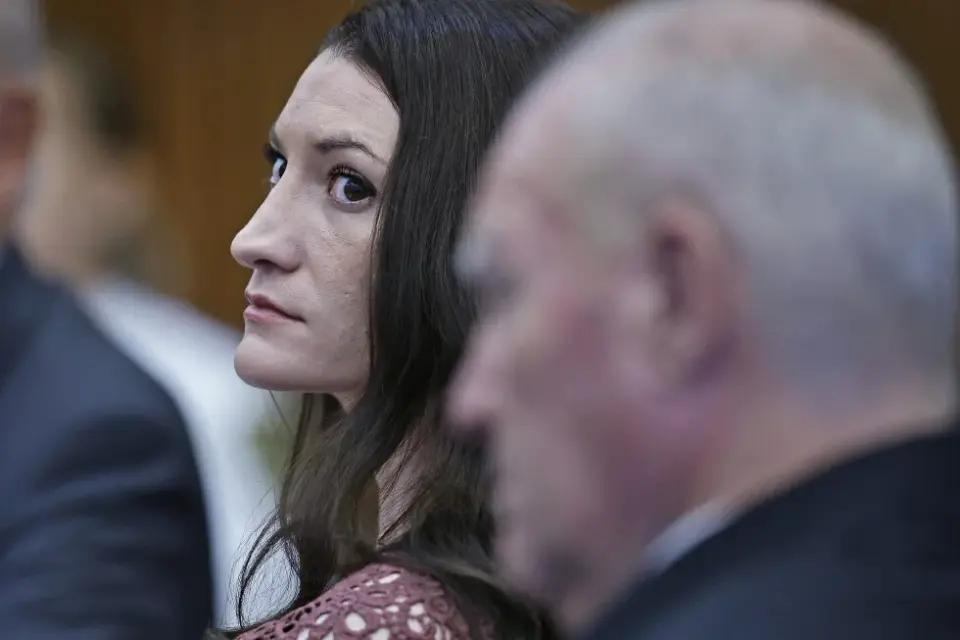
Lindsay Clancy’s defense team has shifted its strategy from arguing mental incompetence to claiming insufficient evidence of guilt, a move that could lead to an acquittal without a second trial. Judge William Sullivan took all motions under advisement on Sept. 29, leaving the decision on a retrial to Plymouth County District Attorney Timothy Cruz. The case remains unresolved, with a potential new trial date discussed for as late as June 2027.
Key points
- Clancy’s attorney Kevin Reddington argued on Sept. 29 that there was not enough evidence to prove she killed her three children, a departure from the trial’s focus on her postpartum psychosis.
- Judge William Sullivan declined to rule immediately on motions regarding a required finding of not guilty, double jeopardy, and the release of jury notes, taking them under advisement.
- The prosecution argued that Clancy’s mental state did not negate criminal responsibility and that the evidence of the killings was sufficient, calling the new defense argument 'laughable.'
- Plymouth County District Attorney Timothy Cruz has not yet decided whether to retry Clancy on first-degree murder charges or pursue lesser charges such as manslaughter.
- A potential retrial could be delayed until June 2027 due to scheduling conflicts, though Judge Sullivan urged attorneys to prepare for a November 2 hearing.
Background
Clancy was charged with the 2023 deaths of her children, Cora, Dawson, and Callan, in Duxbury, Massachusetts. Her first trial ended in a mistrial on Sept. 4 after the jury deadlocked 11-1 in her favor, with one juror refusing to acquit based on reasonable doubt. The case drew national attention due to its livestreamed proceedings and debates over maternal mental health. Clancy remains in a psychiatric hospital pending the resolution of her legal status.
How outlets are covering it
AP News and NBC Boston report that the defense’s new argument regarding insufficient evidence is a strategic pivot from the previous trial, where they admitted the killings but claimed mental incapacity. WBUR highlights that legal experts view the defense motions as a 'Hail Mary' attempt to avoid a second trial, noting that a double jeopardy ruling could be appealed. While AP and NBC focus on the procedural delays and the DA’s pending decision, WBUR emphasizes the legal complexity of the holdout juror issue and the likelihood that the prosecutor, not the judge, holds the final discretion on whether to proceed with a retrial.
Why it matters
The outcome of these motions will determine whether Clancy faces a second, potentially lengthy trial or is acquitted based on procedural grounds. The case also highlights the legal challenges of trying defendants with severe mental health issues and the public interest in jury deliberation transparency.
What to watch
Judge Sullivan is expected to rule on the pending motions shortly after the Sept. 29 hearing. Prosecutors must decide whether to retry Clancy, potentially on lesser charges. A hearing on trial scheduling is set for Nov. 2, with a possible trial date in 2027.
- Lindsay Clancy’s lawyer now questions whether she killed her 3 children AP News
- What to know as Lindsay Clancy returns to court for first time since mistrial declared WBUR
- Lindsay Clancy's attorney says there's 'no evidence' she killed her children in 1st hearing since mistrial ABC News - Breaking News, Latest News and Videos
- Recap: Lindsay Clancy back in court for key hearing NBC Boston
- Judge in Lindsay Clancy trial sets hearing for early Nov., tells lawyers to be ready to discuss possible retrial date then The Boston Globe
Want the full story? Read the original reporting
Read on AP News