
Cornell Accused Seeks Record Expungement as State Takes Over Rape Probe
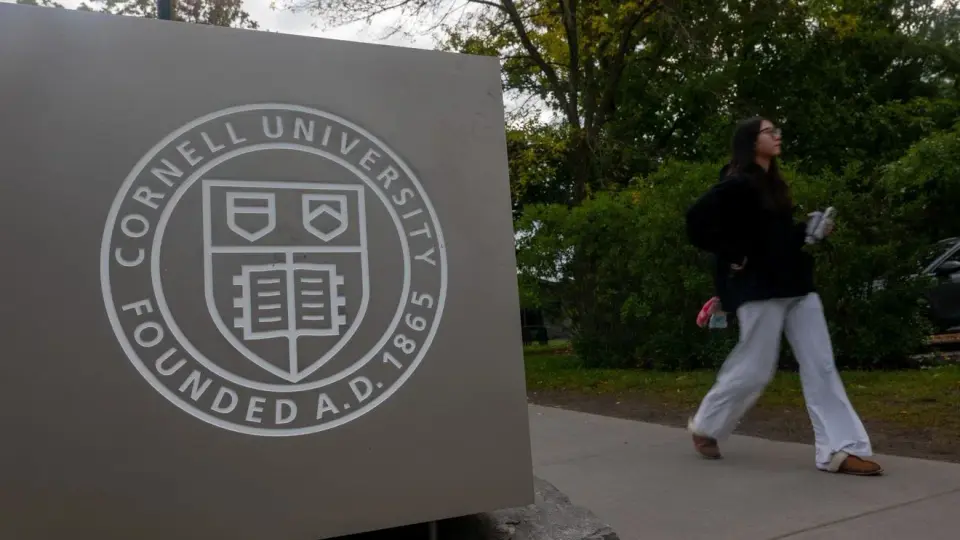
A Cornell student named in a civil lawsuit alleging a 2024 drugged gang rape has sued to expunge his record. Simultaneously, New York Attorney General Letitia James was appointed as special prosecutor to review the case after the local district attorney faced criticism for not reviewing additional police evidence.
Key points
- One of the men named in the civil suit against Cornell University is suing to have his record expunged, according to WSTM.
- New York Governor Kathy Hochul appointed Attorney General Letitia James as special prosecutor to replace Tompkins County District Attorney Matthew Van Houten.
- Van Houten stated he based his decision not to prosecute solely on the victim's initial six-page statement, ignoring witness interviews and Snapchat data collected by police.
- Cornell University expelled two students and suspended two others following an internal Title IX investigation, while two were found not responsible for sexual misconduct.
- The alleged victim, identified as Jane Doe, claims she was drugged with ketamine and assaulted by multiple men at the Chi Phi fraternity house in October 2024.
Background
This development follows a civil lawsuit filed in September 2026 by a former Cornell student against the university and seven Chi Phi fraternity members. The suit alleges the university failed to protect the victim and imposed inadequate disciplinary measures. Previous coverage noted that the district attorney had initially declined to bring criminal charges, citing insufficient evidence, which prompted national scrutiny and calls for a 'culture of rape' investigation at elite institutions.
How outlets are covering it
WSTM focuses on the legal maneuvering of the accused, highlighting the lawsuit to remove allegations from his record. In contrast, NBC News and CBS News emphasize the procedural failures of the Tompkins County District Attorney's office. NBC News reports that Van Houten did not review witness statements or Snapchat evidence collected by Cornell police, while CBS News details graphic messages shared in a fraternity group chat. CNN highlights the political fallout, noting Cornell President Michael I. Kotlikoff's silence amid public outcry and the state's intervention. The outlets differ in emphasis: WSTM centers on the defendant's legal strategy, while NBC and CBS focus on the investigative gaps and evidence that led to the appointment of a special prosecutor.
Why it matters
The appointment of a high-profile special prosecutor signals a shift from local dismissal to state-level scrutiny, potentially reopening criminal avenues that were previously closed. The lawsuit to expunge records highlights the tension between civil liability and criminal reputation for the accused. This case continues to draw national attention to how universities and local prosecutors handle sexual assault allegations, particularly when internal investigations and civil suits conflict with criminal non-prosecution decisions.
What to watch
Attorney General Letitia James will review the evidence to determine if criminal charges are appropriate. The court will rule on the accused student's request to expunge his record. Cornell University may face further legal challenges regarding its handling of the Title IX investigation and the initial medical response to the victim.
- Cornell fraternity student named in rape investigation sues to have allegations removed WSTM
- Cornell president breaks silence amid outcry over handling of sex assault case CNN
- Cornell president calls alleged gang rape 'deeply disturbing' Sky News
- Picture of Jane Doe shared in Snapchat group on night of alleged Cornell rape CBS News
- DA did not review witness statements and other evidence Cornell police collected in alleged gang rape of student nbcnews.com
Want the full story? Read the original reporting
Read on WSTM