
Clancy Mistrial Highlights Deep Public Skepticism of Insanity Defense
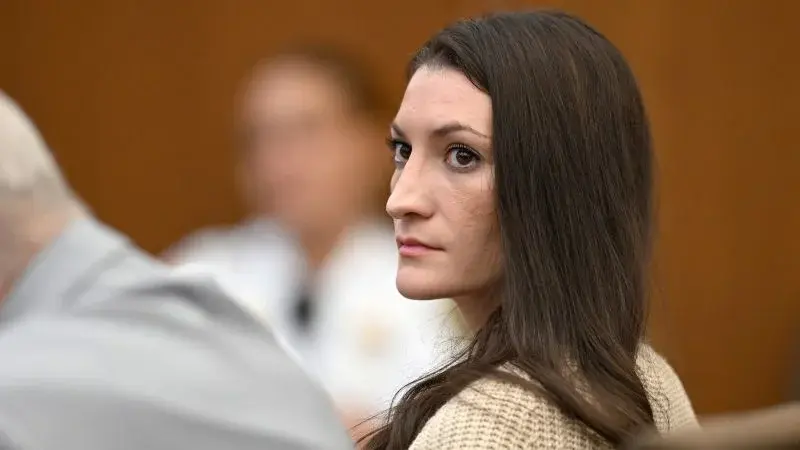
The Lindsay Clancy triple-murder trial ended in a mistrial after a single juror refused to acquit her by reason of insanity, despite 11 jurors voting for that outcome. While experts note this reflects common public skepticism toward mental health defenses, the case has sparked debate over juror conduct, media exposure, and the future of retrials.
Key points
- The jury deadlocked 11-1 after seven days of deliberations, with the lone holdout expressing reasonable doubt but refusing to vote not guilty by reason of insanity.
- Defense attorney Kevin Reddington filed a motion to dismiss the case, arguing the holdout ignored judicial instructions, though prosecutors have not yet decided on a retrial.
- The holdout juror, identified by some jurors as a Black man in his 30s, faced public scrutiny and a domestic violence history, prompting Florida Governor Ron DeSantis to offer him 'asylum' from media harassment.
- Jurors cited testimony from Patrick Clancy and forensic psychiatrist Dr. Phillip Resnick as pivotal in swaying the majority toward an insanity verdict.
- Legal experts describe the holdout's stance as a common societal reaction, noting that many people struggle to accept that mental illness can negate criminal responsibility.
Background
Lindsay Clancy, a former nurse, is accused of strangling her three children in Duxbury, Massachusetts, in January 2023. Her defense argued she suffered from postpartum psychosis. Previous coverage noted the mistrial left Clancy in a psychiatric hospital, with a status hearing scheduled for September 29. The case has reignited national debates on the insanity defense, which was formalized in 1843 and restricted in many states following the 1981 John Hinckley Jr. trial.
How outlets are covering it
CNN and The Washington Post emphasize the psychological and societal barriers to accepting the insanity defense, with CNN citing forensic psychologists who call the holdout's stance a 'natural inclination' to hold people accountable. The Washington Post criticizes other jurors for speaking publicly, arguing they focused on personalities rather than facts, while suggesting the holdout may have been the only one properly adhering to the burden of proof. CBS News highlights the emotional impact of Patrick Clancy's testimony and the defense's motion to dismiss, noting that some jurors felt the holdout was 'attacked' during deliberations. The Guardian focuses on the political fallout, detailing Governor DeSantis's offer of asylum to the juror after reports of his past domestic violence charges, which DeSantis dismissed as a media smear campaign.
Why it matters
The Clancy case serves as a modern case study for the insanity defense, illustrating the tension between mental health advocacy and public demand for punishment. It highlights the challenges of jury unanimity in cases involving severe mental illness and the potential for media exposure to influence legal proceedings. The outcome of any retrial or dismissal will set precedents for how postpartum psychosis is treated in criminal courts.
What to watch
A status hearing is scheduled for September 29, where the judge will consider Reddington's motion to dismiss the case on double jeopardy grounds. Prosecutors have not yet announced whether they will retry Clancy. If retried, the case will face a new jury, though experts note that public skepticism of the insanity defense may persist.
- Lindsay Clancy’s holdout juror shows ongoing skepticism of the ‘insanity defense’ CNN
- Lindsay Clancy juror says Patrick Clancy's testimony swayed her decision, reveals more about lone holdout CBS News
- Ron DeSantis offers ‘asylum’ to holdout juror in Lindsay Clancy trial The Guardian
- Opinion | What the Clancy trial’s chatty jurors get wrong The Washington Post
- Florida Gov. Ron DeSantis Offers ‘Asylum’ to Holdout Juror in Lindsay Clancy Case People.com
Want the full story? Read the original reporting
Read on CNN