
New Laws Spark First Major Lawsuits for Nazi-Looted Art in California and Poland
Jewish heirs have filed two lawsuits in California demanding the return of artworks seized by the Nazis, citing new state and federal laws that eliminate time limits for such claims. The cases target the Norton Simon Museum in Pasadena and the Auschwitz-Birkenau Memorial in Poland, marking the first legal actions under these new statutes.
Key points
- Two lawsuits were filed in Los Angeles courts on Monday, targeting the Norton Simon Museum and the Auschwitz-Birkenau Memorial.
- The cases are the first to be filed under California Assembly Bill 2867 and the federal Holocaust Expropriated Art Recovery Act of 2025.
- The Norton Simon Museum is being sued for the return of the 1530 diptych 'Adam and Eve' by Lucas Cranach the Elder.
- The Auschwitz Memorial is being sued for the return of watercolors painted by Holocaust survivor Dina Gottliebova Babbitt under duress by Josef Mengele.
- Both museums maintain they have legal title to the works and intend to keep them on public display.
Background
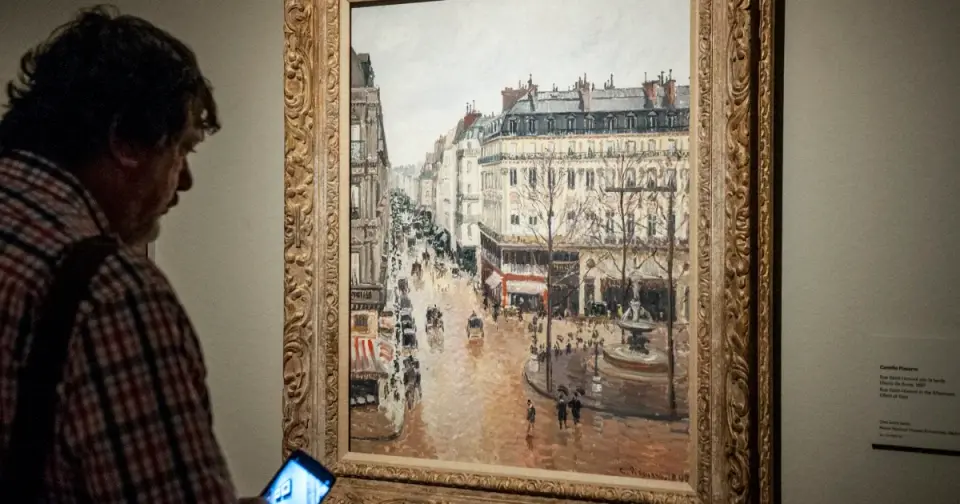
These lawsuits follow a 2024 California law and a 2025 federal act designed to bolster claims for art looted during the Holocaust. The legislation was partly a response to a long-running dispute over a Camille Pissarro painting held by the Thyssen-Bornemisza Collection in Madrid, which prompted California to override prior federal rulings that barred such claims. Earlier archive coverage noted that these new laws aim to provide a fairer process for survivors and their heirs to recover family legacies.
How outlets are covering it
The Jewish Federation of Greater Los Angeles and the heirs of Dina Gottliebova Babbitt argue that the new laws provide a necessary avenue for justice, allowing them to pursue claims that were previously barred by statutes of limitations. The Norton Simon Museum and the Auschwitz Memorial, however, contend that they hold proper legal title to the works. The museum argues the Cranach paintings were legally acquired, while the Memorial asserts the watercolors are unique historical documents of Mengele's crimes that must remain to preserve the memory of the victims. Advocates like Joel Greenberg of Art Ashes believe the new laws will ensure cases are heard on their merits rather than dismissed on technical grounds.
Why it matters
These cases test the practical impact of new legislation that removes time limits for Holocaust-era art recovery. The outcomes could set precedents for other museums and families seeking restitution, potentially reshaping how institutions handle disputed artworks and influencing the broader landscape of Holocaust restitution efforts.
What to watch
The lawsuits are expected to proceed through the courts, with the Pissarro case, which inspired the new laws, set for a hearing in federal court in California next month. The outcome of these cases will likely determine whether the new laws can effectively override previous legal defenses used by museums to retain looted art.
- New laws trigger a legal fight over Nazi-looted art in L.A. and Auschwitz museums NBC News
- Heirs Sue Auschwitz Museum Over Art Their Mother Made Under the Nazis The New York Times
- Prompted by new California and U.S. laws, two new lawsuits demand return of Nazi-looted art Los Angeles Times
- Holocaust survivors’ heirs sue California museums for return of Nazi-looted art The Independent
Want the full story? Read the original reporting
Read on NBC News