
Philadelphia Teacher Admits Years of Identity Fraud, Citing False Palestinian and Black Heritage
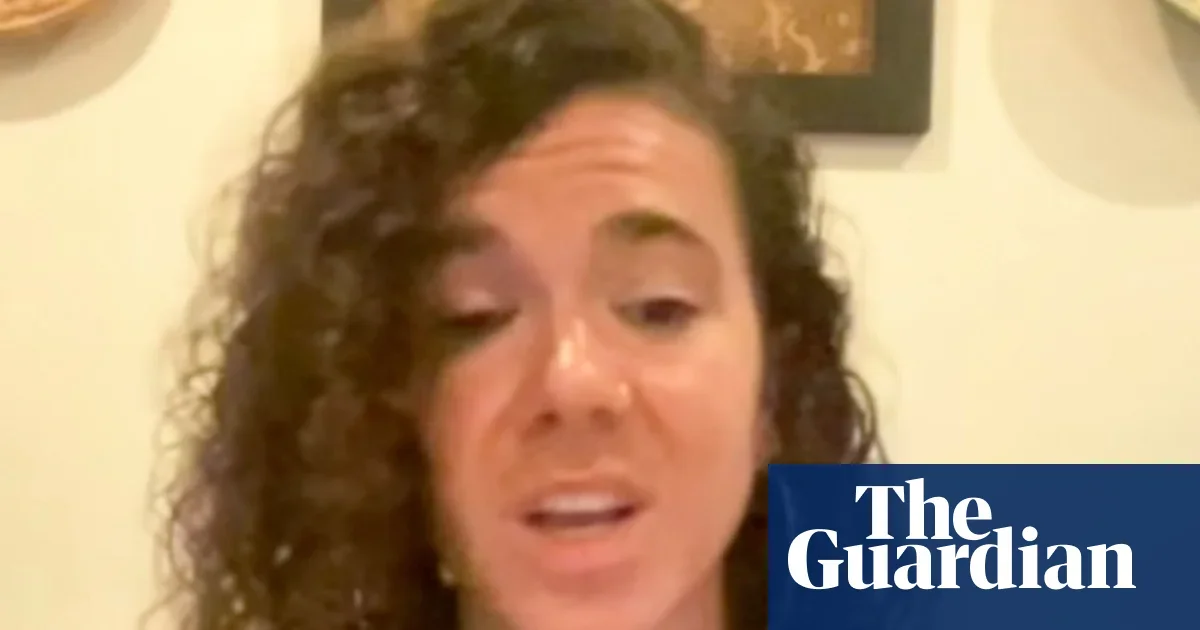
Hannah Gann, a Philadelphia high school teacher, admitted to fabricating her identity as a Palestinian and Black woman to advance her activism. After years of leading pro-Palestinian and racial justice groups, she confessed to being a white woman of Jewish heritage with family in Israel. Her deception has caused a rift in local activist circles, with some condemning the betrayal while others warn against discrediting the broader cause.
Key points
- Hannah Gann, a 10th-grade teacher at the Workshop School in Philadelphia, admitted to lying about her background, claiming to be Palestinian, Tunisian, and Black when she is actually a white woman of Jewish heritage.
- The Racial Justice Organizing Committee (RJOC) and Philly Educators for Palestine (PEFP) severed ties with Gann after she confessed during a meeting, stating she had exploited the trust of communities and appropriated Palestinian identity.
- The Philadelphia Inquirer reported that the Philly Palestine Coalition found Gann’s claimed Palestinian-born grandfather was actually born in Baltimore, citing draft records and naturalization papers, and that her family lives in Israel.
- Gann posted a video apology on Instagram, stating she hid the truth from everyone, including her family, and acknowledged the harm caused to communities she claimed to support.
- The Philadelphia School District acknowledged the situation, stating it is aware of the social media posts and is providing support to staff and students at the Workshop School.
Background
This incident follows a pattern of identity fraud in activist spaces, drawing comparisons to Rachel Dolezal, who was exposed for pretending to be Black. The archive does not contain related background on Gann, but the current story highlights the intersection of racial justice and pro-Palestinian activism in Philadelphia. The broader context involves ongoing debates about the authenticity of activist credentials and the impact of such deceptions on community trust.
How outlets are covering it
The Guardian and NBC News present the story factually, focusing on Gann’s admission and the reactions of the organizations she worked with. They emphasize the harm to the communities she claimed to represent and the broader implications for activist credibility. Commentary Magazine, however, frames the story as evidence of 'Palestine privilege,' arguing that claiming Palestinian identity offers significant social and professional benefits in the West. The magazine suggests that Gann’s actions reflect a broader trend of using Palestinian identity as a 'golden ticket' for relevance and influence, contrasting with the more neutral tone of the other outlets. The Philadelphia Inquirer’s report, cited by multiple sources, provides concrete evidence of Gann’s fabricated family history, adding a factual dimension to the narrative.
Why it matters
The case of Hannah Gann raises questions about the integrity of activist movements and the potential for identity fraud to undermine trust in causes that rely on personal testimony and lived experience. It also highlights the complex dynamics of racial and ethnic identity in political activism, where claims of marginalization can carry significant weight. The incident may lead to increased scrutiny of activist credentials and a reevaluation of how communities verify the authenticity of their members.
What to watch
Gann has indicated she will attempt to mitigate the damage caused by her deception, but the organizations she worked with have barred her from their spaces. The Philadelphia School District is monitoring the situation and providing support to affected staff and students. There may be further investigations into the extent of Gann’s deception and its impact on the organizations and communities she represented.
- Philadelphia teacher admits to lying about being Palestinian and Black: ‘I hid the truth’ The Guardian
- A Philadelphia teacher pretended to be Black and Palestinian, 'a betrayal' of the activists she supported Inquirer.com
- ‘Temu Rachel Dolezal’: Philly activist confesses to years-long identity fraud faking Black and Palestinian heritage NBC News
- Not Black, No Palestinian Heritage: PA Teacher Admits Lying For Years 'I Hid The Truth' DailyVoice.com
- Check Your Palestine Privilege Commentary Magazine
Want the full story? Read the original reporting
Read on The Guardian