
Lexington Mayor Vetoes Solar Zoning, Sparking Council Override Fight
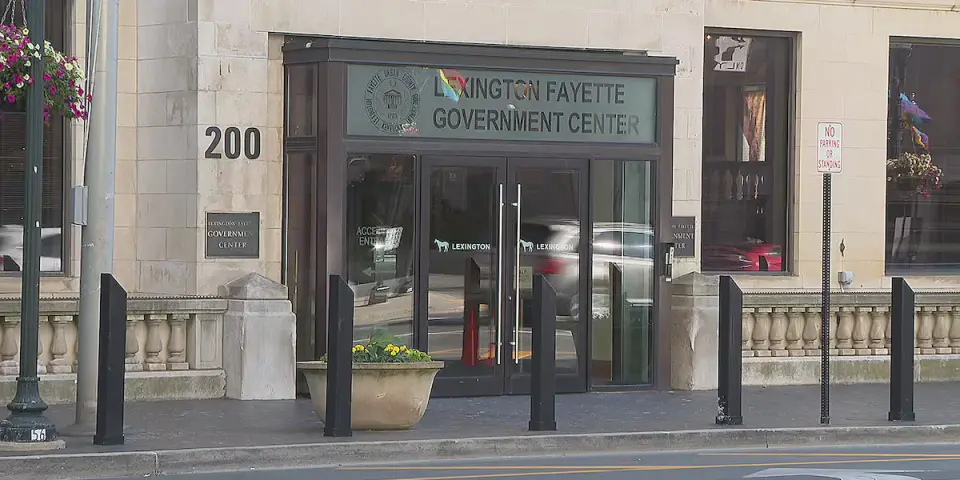
Lexington Mayor Linda Gorton has vetoed a zoning ordinance that would have allowed large-scale solar projects on agricultural land. The council approved the measure on Sept. 10 by an 8-7 vote, but it requires nine votes to override the veto. Gorton argues the rule sets a dangerous precedent for industrial use of farmland, while supporters claim it offers a balanced compromise for clean energy.
Key points
- Mayor Gorton announced her veto on Sept. 18, marking her second veto in eight years.
- The ordinance caps solar development at 1% of Fayette County’s acreage, roughly 1,800 acres.
- The council must secure nine votes to override the veto; the original measure passed with only eight.
- Gorton argues the rule is the first industrial use of county farmland since 1958.
- Supporters, including the Kentucky Solar Industry Association, urge the council to override the veto.
Background
The debate over rural solar farms in Lexington has continued for over two years, with the council and planning commission refining regulations since 2024. This veto follows a narrow council approval on Sept. 10 and precedes a potential override vote expected at the council’s next meeting on Oct. 8. The issue is part of a broader local discussion on balancing agricultural preservation with renewable energy goals, distinct from unrelated local initiatives like the Complete Streets project.
How outlets are covering it
WKYT and LEX 18 News highlight Gorton’s argument that the ordinance opens the door to industrial development on 'precious' farmland, a stance supported by the Fayette Alliance. Conversely, the Lexington Herald Leader and LEX 18 News emphasize the council’s intent to create a 'balanced framework' that allows dual-use land for farming and solar. Councilmember Dave Sevigny and Vice Mayor Dan Wu argue the veto ignores a compromise that respects property rights and environmental goals. Gorton’s opponent, Raquel Carter, criticized the veto as driven by donor influence, while advocates like the Kentucky Conservation Committee called it a rejection of public input.
Why it matters
The veto halts a potential pathway for large-scale solar development in Fayette County, delaying progress toward Lexington’s net-zero carbon goals. The council’s ability to override the veto will determine whether the city adopts a dual-use land model or maintains strict agricultural zoning, setting a precedent for future land-use decisions in the region.
What to watch
The Urban County Council is expected to vote on overriding the veto at its next meeting on Oct. 8. To succeed, supporters must secure at least nine votes, requiring them to gain one additional vote beyond the eight who originally approved the ordinance. If the veto stands, the ordinance will not take effect, and solar development on farmland will remain prohibited under current zoning rules.
- Lexington Mayor Linda Gorton to veto council’s solar zoning ordinance wkyt.com
- Lexington council said yes to rural solar farms. Why the mayor is vetoing them. Lexington Herald Leader
- Lexington mayor vetoes industrial solar on farmland LEX 18 News
- Lexington’s Complete Streets project moves to new phase. Here’s how to get involved. The Lexington Times
- Lexington mayor vetoes expansion of rural solar, citing concerns about opening the door to more development WUKY
Want the full story? Read the original reporting
Read on wkyt.com