
Vance Targets Nine Universities in J-1 Visa Fraud Probe
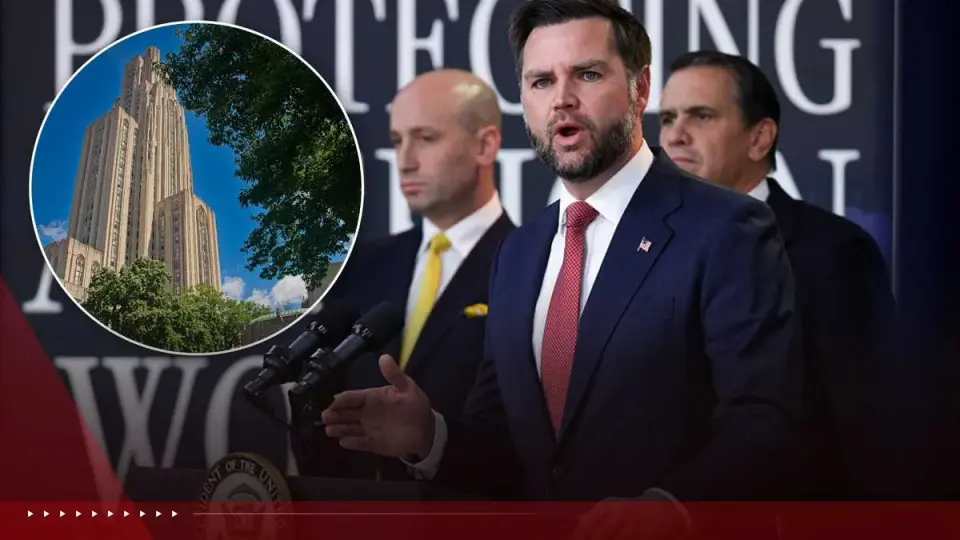
The Trump administration has launched an investigation into nine major universities, including the University of Pittsburgh, over alleged fraud involving J-1 exchange visitor visas. Vice President JD Vance accused these institutions of using the visa program to import cheap foreign labor, undercutting wages for American researchers. The Department of Labor has issued subpoenas to the schools, which are currently reviewing the demands while maintaining that they comply with federal regulations.
Key points
- Vice President JD Vance announced the investigation on October 9, 2026, targeting Harvard, Yale, Stanford, Brown, MIT, Caltech, Arizona State, UC Davis, and the University of Pittsburgh.
- The probe focuses on J-1 visas, which are primarily used by international postdoctoral researchers, with Vance claiming these schools use them to suppress wages for domestic grad students.
- Labor Department Inspector General Anthony D’Esposito stated that subpoenas have been issued to investigate potential foreign influence or financial improprieties in federally funded research.
- The University of Pittsburgh confirmed receipt of the subpoena and stated it is reviewing the questions regarding its participation in federal visa programs.
- Congressman Chris Deluzio, a former Pitt cybersecurity employee, dismissed the allegations as 'nonsense,' defending the university’s status as a world-leading research institution.
Background
This action follows a series of recent moves by the Trump administration to restrict international student and worker entry, including a proposed $70,000 fee for work authorization programs and a four-year cap on foreign graduate student stays. In early October, Vance also suspended major tech firms like Microsoft from green card programs over similar fraud allegations. The current investigation targets the academic sector, specifically the biomedical and scientific workforce reliant on J-1 visa holders.
How outlets are covering it
WTAE highlights the local impact on the University of Pittsburgh and the strong defense from local Congressman Chris Deluzio, who criticized the administration’s broader policies. STAT provides a broader national context, noting that Vance claimed the targeted schools employ J-1 researchers at a 61% rate compared to a 38% national average, though STAT noted the White House did not clarify the source of these figures. STAT also emphasizes the concerns of immigration attorneys who fear these actions will damage U.S. scientific leadership. The secondary source from TribLIVE was inaccessible due to a privacy notice, so no additional perspective could be synthesized from it.
Why it matters
The investigation signals a significant shift in federal policy toward international academic collaboration, potentially disrupting the U.S. biomedical workforce which relies heavily on foreign postdocs. If the allegations of wage suppression are substantiated, it could lead to stricter visa enforcement and higher costs for universities, affecting global research competitiveness.
What to watch
Universities are currently reviewing the subpoenas issued by the Department of Labor. The investigation’s scope and timeline remain unclear, but it is part of a broader pattern of restrictions on international students and workers that may face legal challenges in the coming months.
- Vice President Vance names Pitt in visa investigation as Deluzio calls it 'a bunch of nonsense' WTAE
- Vance says 9 universities will be investigated over foreign visas The Hill
- Harvard, Yale, Stanford and six other top US universities face J-1 visa probe amid claims African and other foreign researchers are paid $20,000 less than Americans Business Insider Africa
- Vance says Pitt under investigation for potential immigration visa fraud TribLIVE.com
- Trump administration investigates 9 universities for alleged visa fraud STAT
Want the full story? Read the original reporting
Read on WTAE