
Hegseth’s Livestream Plan for Hasan Execution Faces Bipartisan Pushback and Industry Support
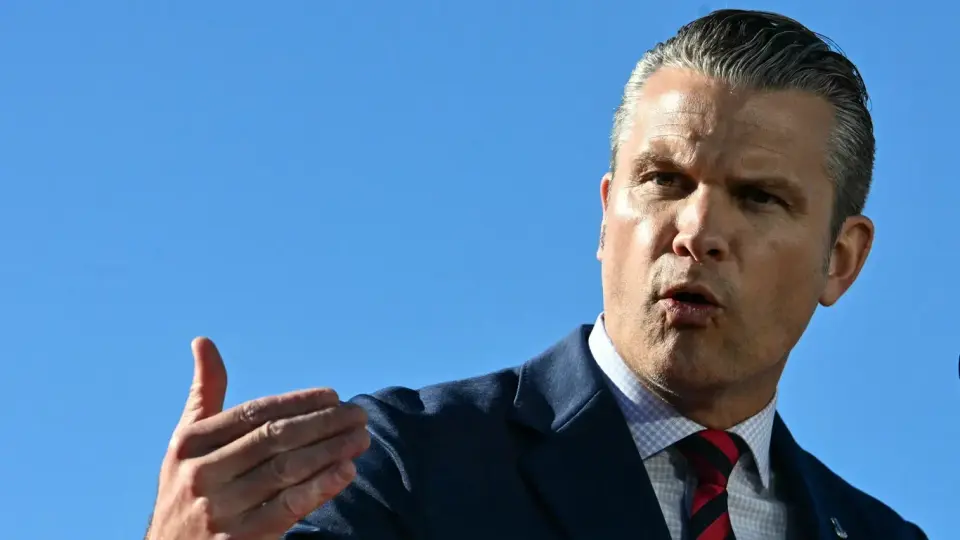
Defense Secretary Pete Hegseth plans to livestream the December 3 firing squad execution of Nidal Hasan at Fort Hood, a move that has sparked intense debate. While supporters in the defense industry argue public executions deter crime, critics and some administration officials warn it risks creating martyrs and violating military norms. The Pentagon has not disclosed specific procedural details, including how Hasan’s paralysis will be managed.
Key points
- The execution is scheduled for December 3 at 1 p.m. CT at Fort Hood, Texas, marking the first public U.S. execution in roughly 90 years and the first military firing squad since 1945.
- Nidal Hasan, convicted of killing 13 people in the 2009 Fort Hood shooting, is paralyzed from the waist down, raising logistical questions about how the firing squad method will be applied to a wheelchair user.
- Defense Secretary Pete Hegseth announced the livestream plan on October 8, arguing it serves as a deterrent, but President Trump has expressed doubt about whether the broadcast will actually occur.
- Vice President JD Vance stated he would not watch the event, and House Speaker Mike Johnson raised concerns that a livestream could aid terrorist recruitment.
- The Pentagon has not responded to requests for comment regarding specific firing squad procedures or how they will accommodate Hasan’s physical condition.
Background
This controversy follows earlier reports from October 8-10 regarding the Pentagon’s confirmation of the livestream plan, which caused internal friction within the Army and bipartisan condemnation. Previous coverage highlighted that while Trump approved the firing squad method, he left the decision on broadcasting it pending, and legal experts questioned the validity of public executions under U.S. military regulations and international law.
How outlets are covering it
Axios focuses on the logistical and historical rarity of the event, noting that firing squads are rare in the U.S., with only six since 1977, and highlighting the lack of official details from the Pentagon. Mother Jones emphasizes the ideological divide, reporting that defense tech founders Palmer Luckey and Joe Lonsdale have publicly defended the plan as a necessary display of state power, while critics like Sen. Thom Tillis call it 'beyond disgusting.' The Washington Post highlights the moral and security risks, featuring a letter from a victim’s family arguing that public executions turn terrorists into martyrs. AP News, though largely obscured by technical code in the provided text, is noted in the context of broader expert warnings about the psychological impact on the public and children.
Why it matters
The decision to livestream a military execution challenges long-standing norms of capital punishment in the United States and raises significant questions about national security, the psychological impact on soldiers, and the potential for radicalization. It tests the boundaries of military justice and the role of the state in public displays of violence.
What to watch
The execution is scheduled for December 3. The Pentagon is expected to clarify whether the livestream will proceed and how it will be distributed, as platforms like TikTok and Kick have stated the event would violate their policies. The Army is responsible for choosing the method, date, and location, but specific procedural details remain undisclosed.
- Hegseth wants a livestream execution. Here's how firing squads work Axios
- Experts urge parents to prepare kids for possible livestreamed execution AP News
- Opinion | What my daughter’s killing tells me about live-streaming an execution The Washington Post
- Archbishop of the U.S. military says Catholic soldiers should not serve on firing squad Yahoo
- Pete Hegseth’s Firing Squad Livestream Is Finding Fans in the Defense Industry Mother Jones
Want the full story? Read the original reporting
Read on Axios