
Trump's 75-Minute Time Interview Highlights Escalating Iran War and Media Hostility
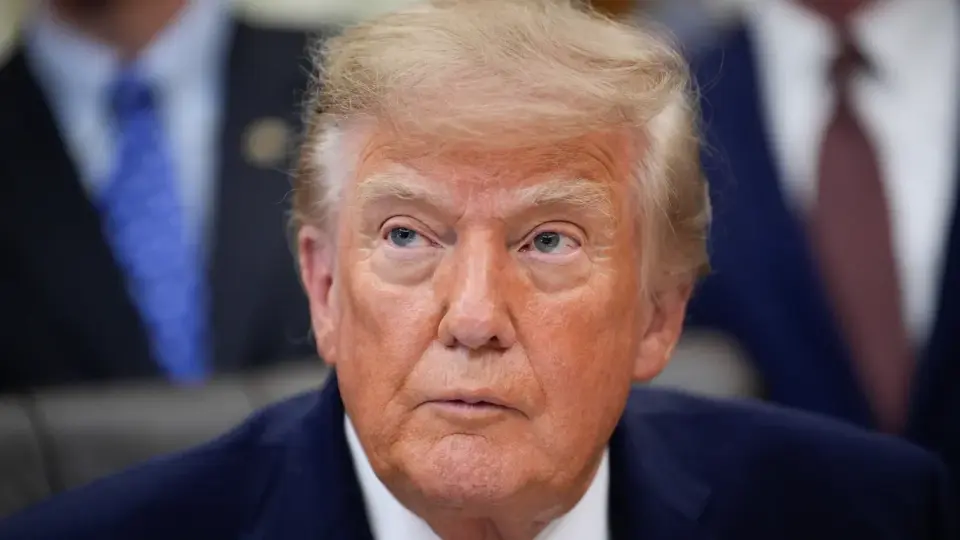
President Donald Trump’s 75-minute interview with Time magazine, conducted on September 28, marked his 56th cover appearance, surpassing Richard Nixon. In the conversation, Trump defended the prolonged Iran conflict, dismissed AI safety concerns as 'phony,' and threatened to retaliate against Democrats if they win the House in the upcoming midterms. The interview highlighted his combative stance toward the press, including a judge-ordered reinstatement of media access he claims to ignore, and his refusal to accept negative coverage.
Key points
- Trump stated he extended the Iran war beyond his initial four-to-six-week timeline to ensure total destruction of Iranian military capabilities, claiming this action created global peace.
- He dismissed AI safety warnings as 'phony threats' and 'Trump derangement syndrome,' asserting that federal law enforcement, not regulation, serves as the primary guardrail for AI development.
- Trump threatened to 'go after' Democrats if they win the House, predicting they would target him, while expressing support for NYC Mayor Zohran Mamdani despite criticizing his policies.
- The interview featured a heated exchange where Trump accused reporters of asking only negative questions, specifically regarding Sen. Mitch McConnell’s health, and defended his ban on certain media outlets despite a court order to reinstate them.
- Trump claimed the U.S. is winning the AI race with trillions in investment, while acknowledging public opposition to data centers but arguing they must be built domestically to maintain global dominance.
Background
This interview occurs roughly a month before the 2026 midterm elections, amid declining approval ratings for Trump’s handling of the cost-of-living crisis, with only 17% of Americans approving according to an AP-NORC poll. Recent months have seen increased scrutiny of Trump’s mental fitness and behavior, including calls for the 25th Amendment following erratic social media activity. The interview also follows a period of strained relations with the press, including a judge-ordered reinstatement of media access that Trump claims to ignore, and a recent thaw in his relationship with former lawyer Michael Cohen.
How outlets are covering it
Axios frames the interview as a historic moment revealing Trump’s unapologetic stance on war, AI, and media, emphasizing his defiance regarding the Iran timeline and his threat to retaliate against Democrats. Time’s transcript highlights the combative nature of the exchange, particularly Trump’s dismissal of AI safety concerns and his refusal to accept negative press, while also detailing his defense of the Iran war as a necessary extension to ensure peace. CNN’s analysis, though partially obscured by technical code, suggests the interview reflects a president consumed by his own news coverage, focusing on his hostility toward the press and his alternate reality regarding the Iran war and AI. Rolling Stone emphasizes the emotional volatility of the interview, noting Trump’s outburst over negative questions and his frustration with the press, while also highlighting his defense of data centers and his dismissal of AI safety concerns. All sources agree on the combative tone and Trump’s defiance, but differ in emphasis: Axios focuses on policy implications, Time on the transcript details, CNN on the media relationship, and Rolling Stone on the emotional and political fallout.
Why it matters
The interview provides critical insight into Trump’s strategy ahead of the midterms, where he plans to campaign heavily to prevent a Democratic House victory. His stance on the Iran war, AI regulation, and media access will likely shape voter perceptions and policy debates. The combative nature of the interview also underscores the growing tension between the administration and the press, which could impact public trust in media coverage and the administration’s narrative control. Additionally, the interview’s timing, just a month before the midterms, makes it a significant event in the political landscape, potentially influencing voter sentiment and the outcome of the elections.
What to watch
The next steps include the upcoming midterm elections, where Trump’s campaign strategy and the Democratic response will be crucial. The Iran war’s trajectory, including potential escalation or ceasefire, will be closely monitored, as will the development of AI regulation and the public’s reaction to data centers. The media’s response to the interview and the administration’s stance on press freedom will also be key factors in shaping the political narrative. Additionally, the outcome of the Israeli election, where Trump’s support for Netanyahu was highlighted, will be watched for its impact on U.S.-Israel relations.
- 5 takeaways from Trump's combative Time interview axios.com
- Read TIME’s ‘What Trump Has Built’ Interview Transcript Time Magazine
- Analysis: Trump’s TIME interview shows a president consumed by his own news coverage CNN
- Trump Explodes on Reporter: ‘You Haven’t Asked Me One F-cking Positive Question’ Rolling Stone
- Trump blows up in TIME interview on DC makeover, Iran and cost of living: ‘I don’t know what the hell’s wrong’ The Independent
Want the full story? Read the original reporting
Read on axios.com