
9th Circuit Permanently Blocks California Law Mandating Federal Agent ID Badges
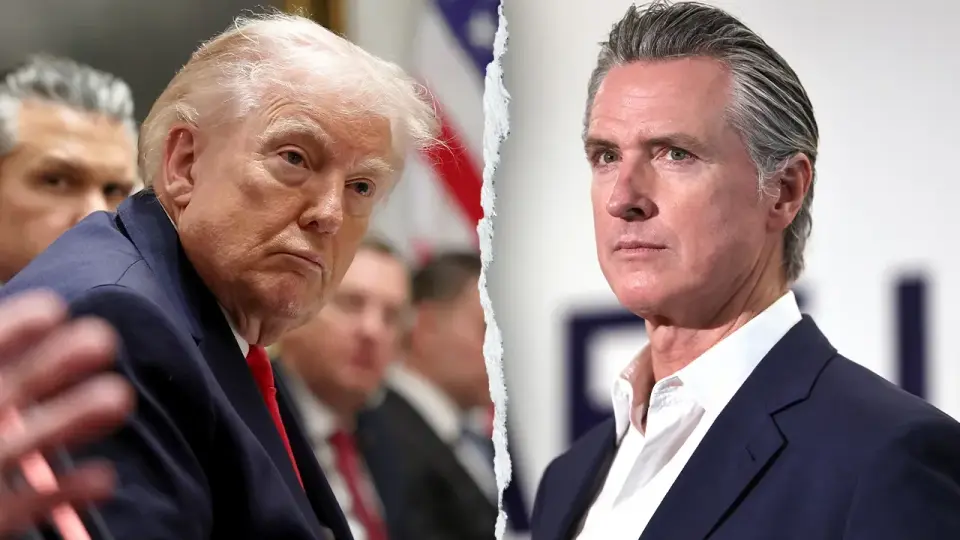
The U.S. Court of Appeals for the 9th Circuit has permanently blocked a section of California’s No Vigilantes Act that required plainclothes federal law enforcement officers to display visible identification badges. The court ruled that the state law violates the Constitution’s Supremacy Clause by directly regulating federal operations. This decision marks a significant legal victory for the Trump administration in its ongoing conflict with California over immigration enforcement policies, effectively nullifying a key measure championed by Governor Gavin Newsom to increase transparency and accountability for federal agents operating in the state.
Key points
- The 9th Circuit ruled that California’s No Vigilantes Act, which mandated visible ID for federal agents, is unconstitutional under the Supremacy Clause.
- The court stated that states cannot directly regulate federal governmental functions, regardless of the burden on federal operations.
- The ruling invalidates a law signed by Governor Gavin Newsom, which was intended to restrict federal immigration enforcement tactics.
- The Department of Justice sued California in November 2025 after the law took effect on January 1, 2026.
- The decision follows a preliminary injunction granted in April 2026 and concludes the legal battle over this specific provision.
Background
This ruling is part of a broader series of legal clashes between California and the federal government regarding immigration enforcement and civil liberties. In September 2026, California enacted new felony laws to protect elections from federal interference, reflecting a continued pattern of state-level resistance to federal actions. Additionally, in September 2026, a D.C. Circuit court blocked an IRS policy that shared taxpayer addresses with ICE, highlighting ongoing judicial scrutiny of federal data-sharing practices. These events underscore the escalating tensions between state and federal authorities over the scope of federal power and the protection of individual rights.
How outlets are covering it
Fox News framed the ruling as a decisive victory for the Trump administration, emphasizing the court’s affirmation that California cannot regulate federal law enforcement. The outlet highlighted praise from Justice Department officials, including Assistant Attorney General Brett Shumate, who stated that the decision confirms common sense regarding federal authority. In contrast, The New York Post focused on the legal precedent set by the Supremacy Clause, noting that the court found the law void irrespective of its impact on federal operations. The Post also highlighted the perspective of California Attorney General Rob Bonta’s office, which previously argued the law was necessary for transparency and accountability against what they described as an aggressive deportation campaign. The National News Desk provided a neutral summary of the legal proceedings, noting that the case was remanded to a lower court with instructions to enter a preliminary injunction, and cited the lack of immediate response from Bonta’s office. While all sources agree on the outcome, Fox News emphasized the political implications for Newsom, whereas The New York Post and The National News Desk focused more on the legal reasoning and the broader context of state-federal conflicts.
Why it matters
The ruling establishes a clear legal precedent that states cannot impose regulations on federal law enforcement officers, reinforcing the Supremacy Clause’s role in limiting state power over federal operations. This decision may impact other state laws aimed at restricting federal immigration enforcement, potentially setting a precedent for future legal challenges. It also highlights the ongoing tension between state and federal governments over immigration policy and civil rights, with implications for how states can respond to federal actions. The outcome could influence the political landscape for Governor Gavin Newsom, a potential 2028 presidential candidate, by limiting his ability to use state law to counter federal immigration policies.
What to watch
The case has been remanded to a lower court with instructions to enter a preliminary injunction, effectively ending the legal battle over the No Vigilantes Act’s identification requirement. California may face further legal challenges regarding other laws aimed at restricting federal immigration enforcement, such as bans on wearable electroshock devices or prohibitions on ICE agents with serious misconduct from state employment. The Trump administration is likely to continue using the Supremacy Clause to challenge state laws that interfere with federal operations. Governor Newsom and other Democratic leaders may seek to address the ruling through legislative or political means, potentially focusing on other areas of state-federal conflict. The decision may also influence public opinion and political discourse around immigration enforcement and state sovereignty.
- Trump scores win from liberal-leaning Ninth Circuit in ICE enforcement showdown Fox News
- Appeals Court Blocks California Law Mandating I.D. for Federal Agents The New York Times
- Appeals court rules California can’t require ICE to show visible ID The Hill
- Court slaps down California attempt to unmask ICE in bombshell ruling New York Post
- Federal appeals court rules California cannot require ICE to show visible ID The National News Desk
Want the full story? Read the original reporting
Read on Fox News