
Bipartisan outcry erupts over Trump's $810M 'pocket rescission' of refugee and education funds
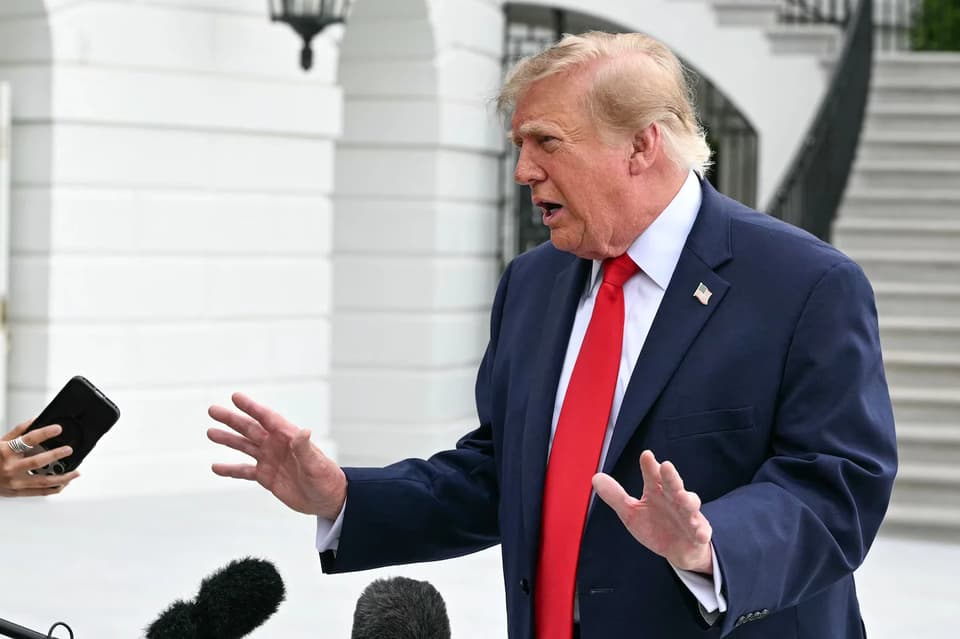
President Trump has utilized a 'pocket rescission' to cancel $810 million in congressionally approved funding, targeting refugee services, education, and minority business programs. Lawmakers from both parties condemn the move as an illegal violation of the separation of powers, while the White House defends it under the Impoundment Control Act.
Key points
- The White House announced the cancellation of $810 million in funding, including $567 million for refugee assistance and $28 million for health research.
- The move bypasses the standard 45-day congressional review period by timing the request near the end of the fiscal year on September 30.
- Senate Appropriations Chair Susan Collins and Democratic Senator Jeff Merkley labeled the action an 'illegal line item veto' that defies the Constitution.
- The administration cites the Impoundment Control Act, but the Government Accountability Office has previously stated such maneuvers are unlawful without congressional approval.
- This follows a similar $4.9 billion pocket rescission of foreign aid in 2025, marking the first such attempt in roughly 50 years.
Background
This action follows a pattern of executive budget maneuvers, including a $4.9 billion cancellation of foreign aid in 2025. Recent tensions also include disputes over the politicization of NIH grants, where Collins warned against executive interference in merit-based scientific funding.
How outlets are covering it
The Washington Post and CNN report that the White House views the cuts as targeting 'harmful' and 'wasteful' spending, citing the Impoundment Control Act. Conversely, CNBC and CNN highlight that the Government Accountability Office has deemed pocket rescissions unlawful. While the administration frames this as fiscal responsibility, lawmakers like Susan Collins and Jeff Merkley argue it is an unconstitutional usurpation of Congress's power of the purse. CNN notes the cuts specifically target programs for non-citizens and race-based business initiatives, which the administration claims are discriminatory.
Why it matters
This dispute tests the limits of executive authority over the federal budget. If upheld, pocket rescissions could allow the president to unilaterally cancel billions in approved spending, fundamentally altering the balance of power between the executive and legislative branches and potentially defunding critical social services without congressional consent.
What to watch
Congress has 45 days to act on the rescission request, but the fiscal year ends on September 30, meaning the funds may expire before a vote occurs. Lawmakers are expected to pursue legal challenges and legislative remedies to restore the canceled appropriations.
- Lawmakers slam Trump’s move to cancel $810M in funding approved by Congress The Washington Post
- White House moves to block $810 million in funding through pocket rescission CNBC
- White House orders over $800M in funds rescinded; Collins calls it 'clear violation' of law ABC News - Breaking News, Latest News and Videos
- Trump admin cancels funding for refugees, immigrant detainees and others CNN
- Trump administration uses rare authority to claw back nearly $1B in spending approved by Congress PBS
Want the full story? Read the original reporting
Read on The Washington Post