
Democrats Push to Override 2027 Federal Pay Freeze via Spending Riders
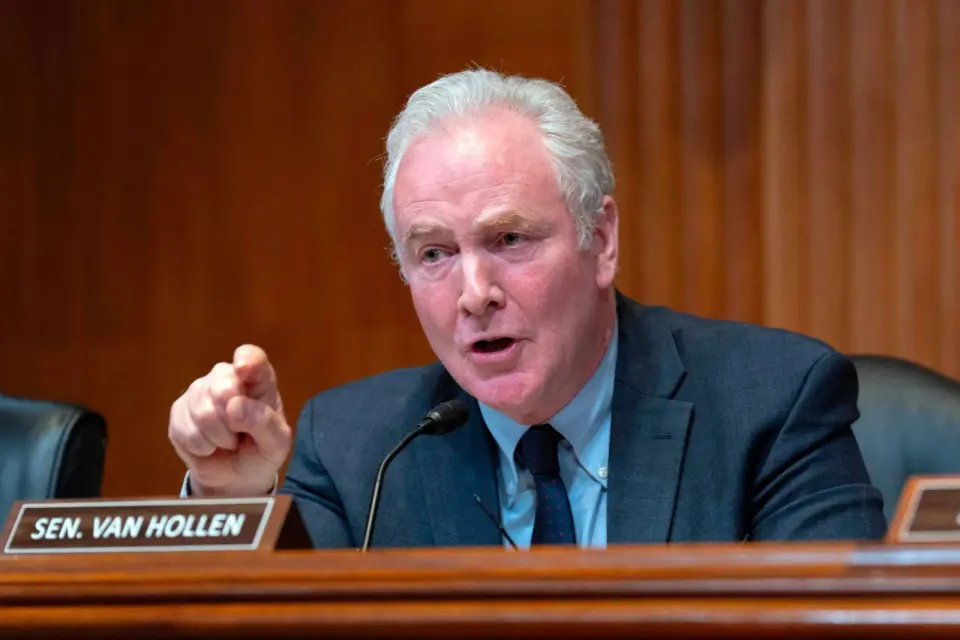
Democratic lawmakers and union leaders are attempting to override the Trump administration’s proposed 2027 pay freeze for civilian federal employees by attaching a 4.1% raise to upcoming appropriations bills. While the administration offers 3.8% to law enforcement and 5-7% to military personnel, it proposes zero increase for most civilians. Congress faces a tight deadline before the lame-duck session, with advocates arguing that a freeze effectively constitutes a pay cut amid rising inflation.
Key points
- The Federal Workforce Caucus and union leaders called for a 4.1% raise under the FAIR Act, introduced earlier in 2026.
- The Trump administration’s plan freezes pay for most civilian employees but grants 3.8% to law enforcement and 5-7% to military members.
- Lawmakers plan to include the pay raise as a rider in the 2027 appropriations package, aiming to act before the January effective date.
- A continuing resolution currently funds agencies through December 11, providing a narrow window for negotiation.
- Over 100 members of Congress, mostly Democrats, signed a letter urging leadership to reject the freeze, citing recruitment and retention concerns.
Background
This debate follows a 2018-2019 precedent where Congress overrode a presidential pay freeze during a government shutdown, granting a retroactive 1.9% increase. Current inflation stands at 3.5%, with advocates arguing that a zero-percent raise erodes real wages. The FAIR Act (HR-7480/S-3823) has not been actively considered in the budget process until now.
How outlets are covering it
Federal News Network and FEDweek emphasize the procedural strategy of using appropriations riders to bypass the presidential freeze, noting the tight timeline before the lame-duck session. FOX 5 DC highlights the regional impact on the DMV area, where nearly 250,000 federal employees work, and contrasts the Democratic push with Heritage Action’s support for merit-based bonuses over blanket raises. Rep. Steny Hoyer’s remarks focus on the disparity between civilian and military pay, arguing that the administration’s approach creates an artificial divide and ignores the cost of living for federal workers.
Why it matters
The outcome will determine whether hundreds of thousands of civilian federal employees receive a pay adjustment in 2027 or face a freeze that may reduce their real income. Success could set a precedent for congressional override of executive pay plans, while failure may exacerbate recruitment and retention issues across federal agencies.
What to watch
Congress is expected to negotiate full-year spending measures in the weeks leading up to the December 11 continuing resolution deadline. If a deal is reached, the pay raise could be retroactive to January. Lawmakers will also assess the political landscape after the midterm elections to determine if sufficient support exists to override the administration’s position.
- Democrats planning last-ditch attempt at a federal pay raise in 2027 Federal News Network
- Lawmakers call on leadership to override Trump’s planned pay freeze GovExec.com
- Maryland, Virginia lawmakers fight proposed federal pay freeze FOX 5 DC
- Attempt Made to Revive Chances of a 2027 Federal Pay Raise FEDweek
- Hoyer: People Who Work for the Government Should Be Able to Afford to Work for the Government Congressman Steny Hoyer (.gov)
Want the full story? Read the original reporting
Read on Federal News Network