
DOJ Terminates 57 School Desegregation Cases, Sparking Civil Rights Backlash
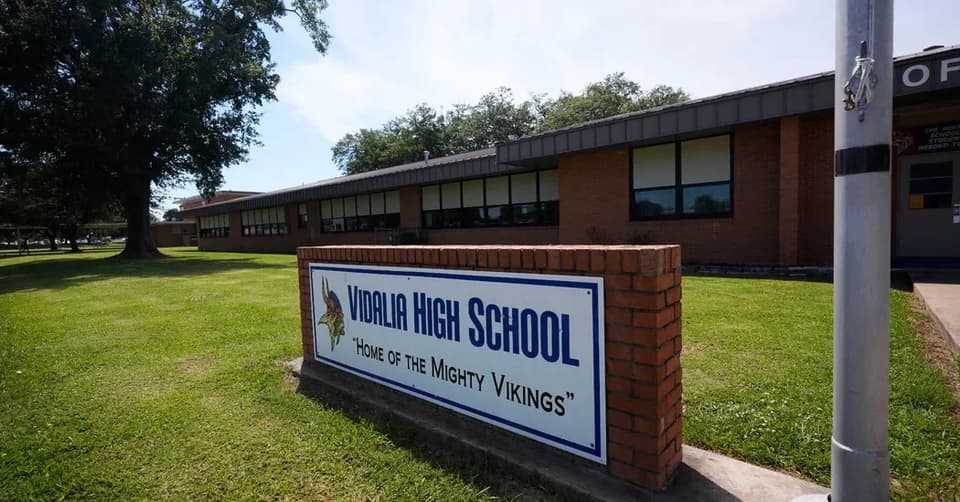
The U.S. Department of Justice has ended its oversight role in 57 school desegregation cases, primarily in the Deep South. While DOJ officials argue these orders are outdated and financially burdensome, critics warn the move reverses decades of civil rights progress and exacerbates racial disparities in education.
Key points
- The Justice Department announced on September 24 that it has dismissed 57 desegregation orders since the start of President Trump’s second term.
- Approximately 80% of the dismissed cases are located in five Southern states: Alabama (5), Georgia (15), Louisiana (11), Mississippi (13), and South Carolina (1).
- Assistant Attorney General Harmeet K. Dhillon stated that some districts have been under federal control for over 60 years, calling the decrees 'outdated' and unnecessary financial burdens.
- Alabama Attorney General Steve Marshall praised the move, stating the administration will continue working to free all school districts from 'unnecessary consent decrees.'
- The NAACP and Democratic lawmakers argue that desegregation orders ensure equal funding and access to advanced programs, not just racial balance, and that the changes move the nation 'back toward the Jim Crow era.'
- A 2024 study in The American Journal of Epidemiology noted that school segregation significantly impacts racial disparities in children’s health, with segregation levels rising since a 1991 Supreme Court ruling.
Background
This development follows a broader trend of the Trump administration overhauling civil rights enforcement mechanisms. Previous actions included the dismissal of high-profile federal cases and personnel changes within the Department of Justice. In education policy, debates over restorative justice and zero-tolerance policies have also been prominent, though the current action specifically targets legacy desegregation mandates from the 1960s and 1970s.
Why it matters
The termination of these federal oversight cases removes legal safeguards that ensured equitable funding and facilities in many Southern school districts. This shift could lead to increased racial segregation in schools, potentially widening educational and health disparities for minority students, and signals a fundamental change in the federal government’s approach to civil rights enforcement.
What to watch
Civil rights organizations are expected to challenge the dismissals in court, arguing that the orders remain necessary to prevent resegregation. The Justice Department may continue to pursue the dismissal of remaining desegregation cases in other states, while state officials in the South may accelerate efforts to remove any remaining federal oversight.
Want the full story? Read the original reporting
Read on The New York Times