
GOP Midterm Candidates Defy Trump on Tariffs Amid Polling Panic
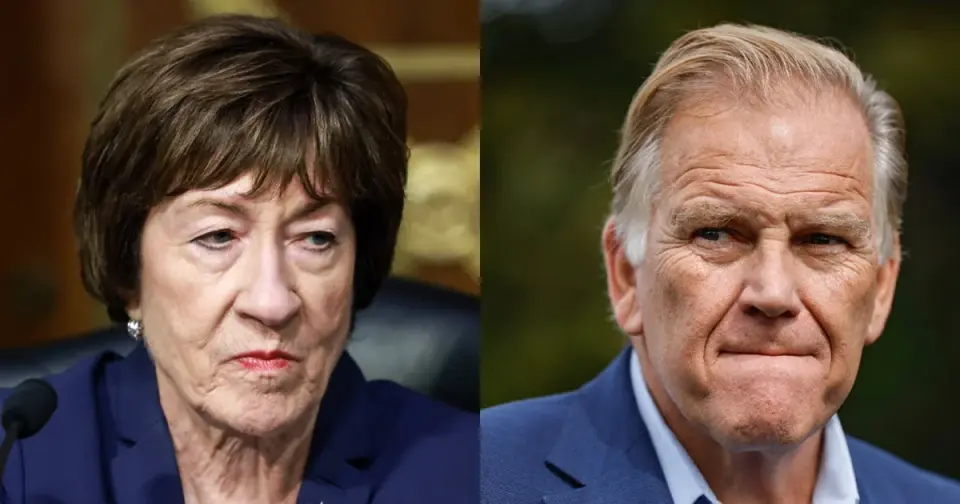
Republican candidates in key 2026 midterm races are increasingly distancing themselves from President Trump’s tariff policies to improve their electoral prospects. This strategic divergence occurs as GOP strategists express deep anxiety over negative polling trends, hoping for a statistical anomaly similar to 2022 to offset poor national sentiment. While some candidates like Sen. Susan Collins and former Rep. Mike Rogers openly oppose the tariffs, others rely on the belief that current polls may underestimate Republican support, mirroring historical polling misses.
Key points
- Sen. Susan Collins of Maine and former Rep. Mike Rogers of Michigan are notable Republicans breaking with Trump on tariffs in competitive races.
- GOP strategists and pollsters acknowledge the national environment is unfavorable for Republicans, with the situation worsening in recent months.
- Party officials are clinging to the hope that current polling data contains sampling errors, similar to the 2022 cycle where Democrats outperformed projections.
- Trump’s low approval ratings and unpopular policies are driving candidates in swing districts to highlight bipartisan credentials or oppose specific initiatives.
- The White House maintains the party is united, but strategists note this divergence is a standard midterm tactic when a president is unpopular.
Background
This development follows earlier reports of GOP candidates in swing districts breaking from Trump to save seats, including opposition to the Iran conflict and data center regulations. In September 2026, concerns arose that Trump’s super PAC would not spend funds in key midterm races, and polls showed Democrats closing gaps in five key Senate races. Additionally, veteran strategist Karl Rove broke with the party in Texas, highlighting deepening fractures within the GOP.
How outlets are covering it
NBC News emphasizes the active distancing of specific candidates, such as Collins and Rogers, from Trump’s signature tariff initiative as a tactical move in battleground races. Politico focuses on the broader psychological and strategic response within the GOP, highlighting how party officials are relying on the hope of a polling miss to mitigate the impact of poor national sentiment. While NBC highlights specific policy breaks, Politico underscores the anxiety and historical comparisons used to justify continued support for the party despite negative trends.
Why it matters
The divergence of key Republican candidates from Trump’s tariff policy signals a potential shift in the party’s electoral strategy ahead of the 2026 midterms. This move could influence voter perception in battleground states and impact the overall outcome of the House and Senate races. The reliance on polling anomalies suggests deep uncertainty within the GOP about their electoral viability, which may affect campaign funding and voter mobilization efforts.
What to watch
Expect continued tactical distancing from Trump’s policies by vulnerable Republican candidates in the weeks leading up to the November 3 elections. Monitor polling data for any shifts that might validate or invalidate the GOP’s hope for a statistical anomaly. Watch for further public statements from candidates like Collins and Rogers regarding their stance on tariffs and other Trump initiatives.
- Some Republicans in key races break with Trump over tariffs NBC News
- Republicans’ last hope for 2026: Another polling miss Politico
- Some GOP walk the line on Trump’s tariffs and a look at Apple HomeView: Morning Rundown NBC News
- House control all but gone, top Republicans privately concede Yahoo
- Stephen A. Smith says Trump’s financial pledges aren’t winning over Americans at NewsNation town hall The Hill
Want the full story? Read the original reporting
Read on NBC News