
Judge Orders DOJ to Disclose If Federal Voter Lists Launch Before Midterms
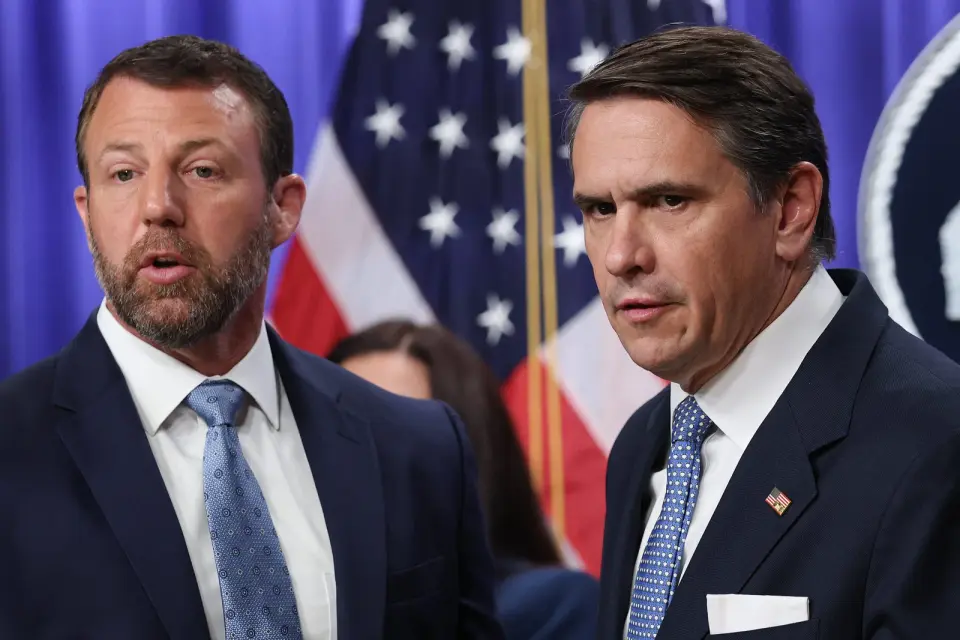
In a critical hearing on September 25, 2026, U.S. District Judge Paula Xinis ordered the Department of Justice to notify her if the Trump administration launches its federal voter eligibility portal before the November 3 midterms. The administration had previously pledged not to release the 'Confirmed Citizen Lists' within 60 days of the election but refused to confirm this commitment in court. The lists, derived from Social Security and State Department data, are challenged by the Electronic Privacy Information Center (EPIC) as a violation of state election powers and federal privacy laws. While the Supreme Court recently upheld changes to the SAVE database, the judge remains skeptical of the administration's claims that no data has been shared for the new lists. Both sides must file briefs by October 2 to clarify the legal implications of these overlapping federal databases.
Key points
- Judge Paula Xinis ordered the DOJ to provide advance notice if the federal voter eligibility portal goes live before the November 3 midterms.
- DOJ attorney Joshua Schopf refused to confirm whether the administration would honor its prior pledge not to release the lists within 60 days of the election.
- The 'Confirmed Citizen Lists' are being challenged by EPIC, Protect Democracy, and CREW as unconstitutional encroachments on state election authority.
- The Supreme Court recently lifted a lower-court block on the SAVE database overhaul, which may impact the EPIC lawsuit but does not directly authorize the new lists.
- The administration claims no data has been shared for the portal, but the judge noted evidence suggesting DHS has used Social Security data for unrelated purposes.
Background
This development follows a series of executive orders by President Trump aimed at tightening election rules, including mail-in voting restrictions that were previously blocked by courts. The current push for federal voter lists is part of a broader strategy to centralize election data, occurring amidst declining approval ratings for the president and concerns about economic strain ahead of the midterms. Previous coverage noted that Republicans are attempting to nationalize the election through Trump-centric events, while polls show Democrats holding a slight advantage in congressional races due to voter dissatisfaction with the current administration's economic policies.
How outlets are covering it
The Electronic Privacy Information Center (EPIC) and its legal allies argue that the federal lists violate the Privacy Act of 1974 and unconstitutionally usurp state powers to determine voter eligibility. They warn that the lists could lead to mass voter disenfranchisement and voter roll purges just weeks before the election. In contrast, the Department of Justice (DOJ) and the Trump administration maintain that the portal does not yet exist and that no data has been shared, though they refused to rule out a pre-election launch. The New York Post emphasizes the administration's 'Unlawful Voter Initiative,' citing DHS reviews that suggest tens of thousands of non-citizens may be on voter rolls, framing the lists as a necessary measure to ensure only citizens vote. The Independent Record focuses on the White House's hunt for non-citizens, highlighting the political tension surrounding the SAVE America Act. Judge Xinis appears skeptical of the DOJ's assurances, noting that the Supreme Court's recent ruling on the SAVE database does not automatically validate the new citizen lists, which are being created without state initiation.
Why it matters
The outcome of this case could determine whether the federal government can deploy a centralized voter eligibility system weeks before a major election, potentially affecting millions of voters. If the lists are implemented, they could lead to widespread voter roll purges and disenfranchisement, particularly in swing states. The legal battle also highlights the tension between federal privacy protections and state election authority, with implications for future elections and the use of personal data by government agencies. The administration's refusal to commit to a timeline for the lists raises concerns about the integrity of the upcoming midterms and the potential for last-minute changes to voting rules.
What to watch
Both the DOJ and EPIC must file briefs by October 2 to address how the Supreme Court's recent ruling on the SAVE database affects the EPIC lawsuit. The judge will review these filings to determine whether to block the implementation of the federal voter lists. The administration may also face further scrutiny over its compliance with the Privacy Act, particularly regarding the issuance of System of Records Notices (SORNs) for the new data usage. If the portal is launched before the midterms, it could trigger immediate legal challenges and potential injunctions, further complicating the election process.
- ‘That is very concerning’: Trump admin says it might release voter eligibility lists before midterms Democracy Docket
- Trump continues voter data push despite repeated setbacks reuters.com
- DHS VOTER RULES | D.C. Daily Yahoo
- White House hunts for noncitizen voters The Independent Record
- White House pushes purge of non-citizens from voter rolls ahead of midterms: report New York Post
Want the full story? Read the original reporting
Read on Democracy Docket