
Judge Rules Wisconsin Mosque Leader Deportable on National Security Grounds
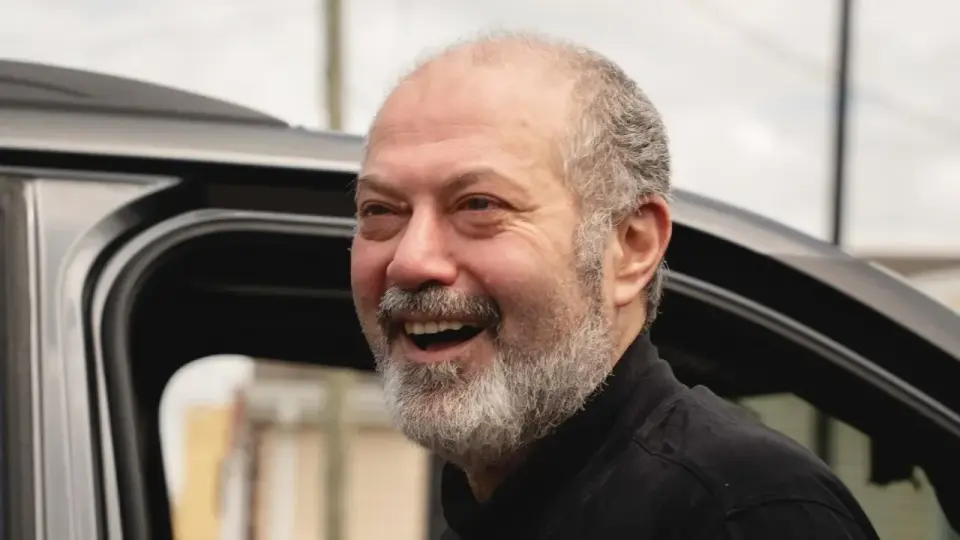
An immigration judge ruled that Salah Sarsour, president of the Islamic Society of Milwaukee, can be deported on national security grounds. Secretary of State Marco Rubio invoked a rarely used provision in June 2025, citing Sarsour’s decades-old convictions in Israel and alleged support for terrorist organizations. Sarsour, a lawful permanent resident since 1993, denies the charges and claims he was tortured into confessing in Israel. He plans to appeal the decision, arguing the government is targeting him for his advocacy on Palestinian rights.
Key points
- Judge Jayme Salinardi ruled Sarsour removable, accepting Rubio’s memo as sufficient evidence of foreign policy risk.
- The government cited Sarsour’s 1988 and 1995 convictions in Israel for throwing rocks and attempting to procure weapons.
- Sarsour’s lawyers argue he was tortured by Israeli authorities and that the U.S. government waited 30 years to act.
- DHS claims Sarsour lied on immigration forms, but the judge rejected this specific allegation.
- Sarsour plans to appeal, with a notice due within 30 days and a relief application within 60 days.
Background
This case follows a pattern of the Trump administration using immigration laws to target advocates for Palestinian rights, similar to cases involving Mahmoud Khalil and Mohsen Mahdawi. In June 2026, a federal judge had previously ordered Sarsour’s release from ICE custody, citing potential retaliation for protected speech, but the administration pursued a separate immigration track. The broader context includes ongoing disputes over the administration’s use of executive power in immigration enforcement, as seen in recent challenges to birthright citizenship and deportation flights.
How outlets are covering it
Fox News emphasizes the national security threat, highlighting DHS claims that Sarsour supported terrorist organizations and lied on forms. NBC News focuses on the procedural aspects, noting the judge’s rejection of the lying claim and Sarsour’s intent to appeal. The Guardian frames the case as a violation of free speech, arguing the government is retaliating against Sarsour for his advocacy on Palestinian rights. All sources agree on the judge’s ruling but differ on the interpretation of Sarsour’s actions and the government’s motives.
Why it matters
The ruling sets a precedent for using cold-war era laws to deport long-term residents based on foreign policy concerns. It highlights tensions between national security priorities and First Amendment protections, particularly for those advocating on sensitive geopolitical issues. The case also raises questions about the reliability of foreign convictions and the potential for political targeting in immigration enforcement.
What to watch
Sarsour will file an appeal within 30 days and apply for relief within 60 days. The case will be overseen by Judge Craig Defoe after Salinardi’s retirement. The outcome could influence future cases involving advocates for Palestinian rights and the use of immigration laws for national security purposes.
- Wisconsin mosque leader’s deportation fight takes dramatic turn as Trump admin scores major win Fox News
- U.S. can deport the leader of Wisconsin’s largest mosque on national security grounds, judge rules NBC News
- Salah Sarsour, Islamic Leader in Wisconsin, Can Be Deported, Judge Rules nytimes.com
- Immigration judge rules US can deport president of Wisconsin's largest mosque Reuters
- US immigration judge allows cold war-era law to deport Wisconsin mosque’s president The Guardian
Want the full story? Read the original reporting
Read on Fox News