
Michigan Senate Debate Devolves Into Personal Attacks Over Iran, Tariffs, and ICE
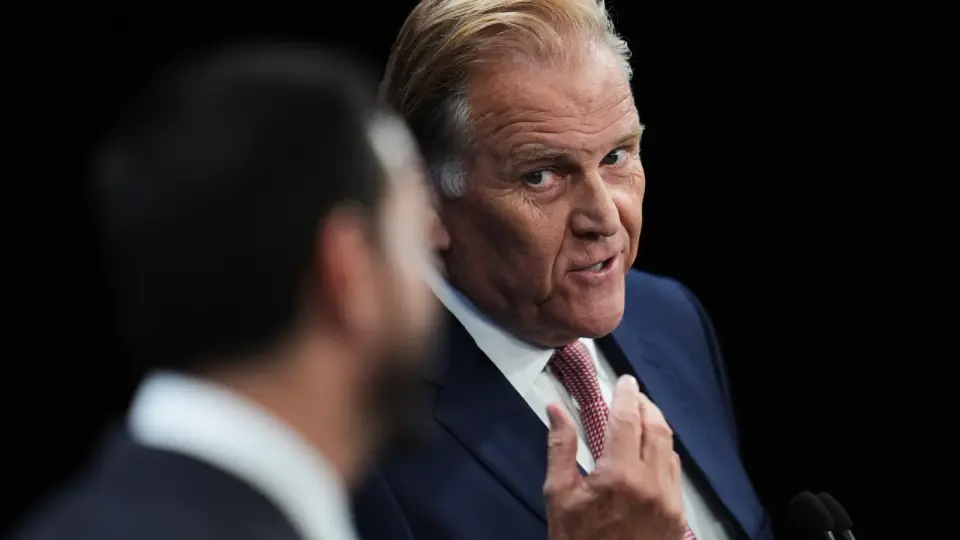
The first televised debate between Michigan Senate candidates Abdul El-Sayed and Mike Rogers on October 8 was marked by heated exchanges and personal insults. The candidates clashed over the war in Iran, Canadian tariffs, and ICE operations, with both accusing the other of flip-flopping or being weak. Moderator Rick Albin struggled to maintain order as the debate continued into commercial breaks. Surrogates for both sides offered contrasting post-debate assessments, highlighting the race's high stakes and polarized nature.
Key points
- The debate, held at WOOD-TV in Grand Rapids, featured intense verbal clashes that moderator Rick Albin described as unprecedented, continuing even during commercial breaks.
- Mike Rogers accused Abdul El-Sayed of being a 'con man' and questioned his medical credentials, while El-Sayed labeled Rogers 'weak' and 'cowardly' for shifting stances on tariffs and war.
- Rogers stated he called Commerce Secretary Howard Lutnick to end the trade war with Canada, a move El-Sayed attributed to Rogers' falling poll numbers rather than policy conviction.
- Rogers described the public ICE operation in Minneapolis that killed two citizens as 'probably not appropriate,' citing his FBI background, while El-Sayed condemned ICE as a tool for terrorizing streets.
- El-Sayed refused to rank Iran or Israel as the greater threat to the US, calling the question 'ridiculous,' and emphasized spending on domestic issues like schools and healthcare.
- Surrogates for both campaigns, including UAW president Shawn Fain and Americans for Prosperity’s Tim Golding, offered divergent views on the candidates' performance and policy consistency.
Background
This debate is the first of two in a tightly contested Michigan Senate race, where the outcome could determine partisan control of the US Senate. Previous coverage noted El-Sayed’s confidence in winning by a wide margin, contrasted with Democratic concerns about his ability to retain support among Black and Jewish voters. Rogers has recently distanced himself from President Trump’s tariff policies to appeal to moderate voters, while national Republicans have attempted to frame El-Sayed as an extremist. The race has been characterized by aggressive messaging from both sides, with El-Sayed backed by progressive figures and Rogers leveraging anti-El-Sayed spending to target swing voters.
How outlets are covering it
The Detroit News emphasized the chaotic nature of the debate, highlighting the moderator’s frustration and the candidates' personal jabs, such as Rogers’ comments on El-Sayed’s Florida home. CNN focused on the personal insults, noting Rogers’ attacks on El-Sayed’s medical credentials and El-Sayed’s counter-accusations of Rogers’ weakness. NBC News highlighted the policy clashes, particularly over the Iran war and Canadian tariffs, and noted the candidates' taunts over real estate. All three outlets agreed on the heated tone but differed in emphasis: The Detroit News and CNN focused on the personal and chaotic aspects, while NBC News highlighted the policy disagreements and the candidates' attempts to distance themselves from Trump.
Why it matters
The Michigan Senate race is a critical battleground for controlling the US Senate, with implications for national policy and partisan balance. The debate’s intensity and the candidates' personal attacks reflect the polarized nature of the 2026 midterms, where voters are likely to be influenced by both policy positions and personal character assessments. The race’s outcome could shape the legislative agenda for the next Congress and influence the political landscape in a key swing state.
What to watch
The second and final debate between El-Sayed and Rogers is scheduled for a later date, with both campaigns expected to continue their aggressive messaging strategies. Polling and voter turnout will be crucial in determining the outcome, as both candidates face challenges in unifying their respective coalitions. National party leaders and surrogates will likely continue to weigh in, potentially influencing swing voters in the final weeks of the campaign.
- Mike Rogers, Abdul El-Sayed trade barbs over Iran, ICE, AI and tariffs The Detroit News
- ‘Con man’ and ‘cowardly’: Personal insults fly in heated Michigan, Georgia Senate debates CNN
- El-Sayed, Rogers face off in combative Senate debate MLive.com
- Sparks fly as Abdul El-Sayed and Mike Rogers face off in first Michigan Senate debate NBC News
- Michigan Senate Race Live Updates: El-Sayed and Rogers Clash in First Debate The New York Times
Want the full story? Read the original reporting
Read on The Detroit News