
Midterm Anxiety Drives GOP Candidates to Defect from Trump in Red States
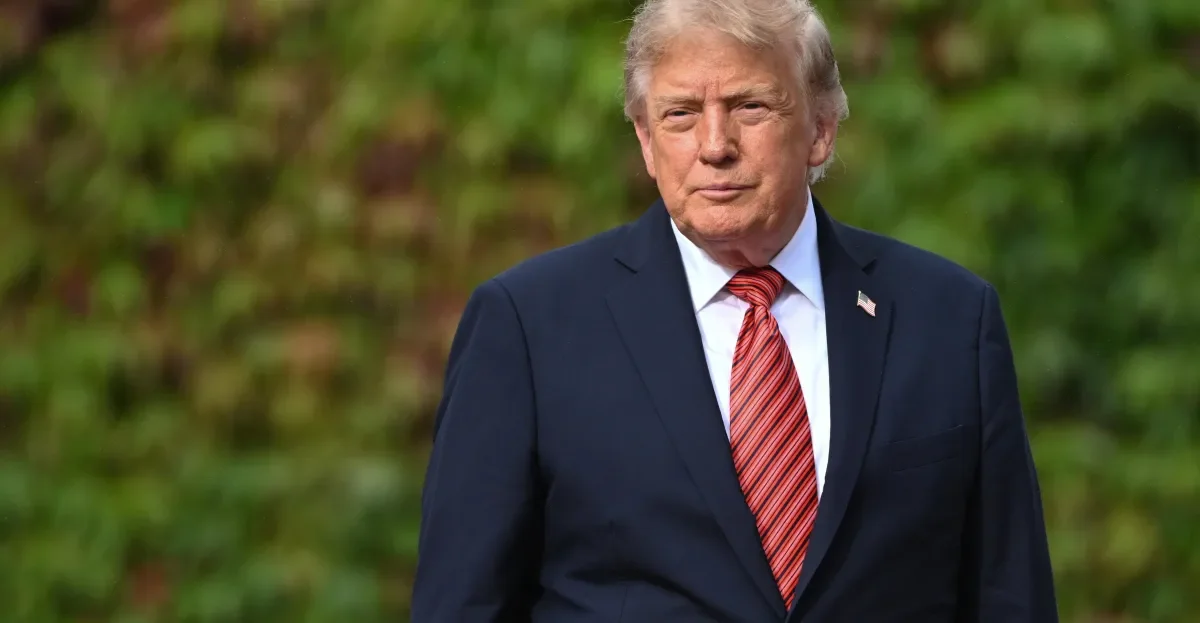
With six weeks until the 2026 midterms, a growing number of Republican candidates are publicly distancing themselves from President Donald Trump to protect their seats. This shift, occurring even in states Trump won by double-digit margins in 2024, is driven by his plummeting approval ratings and unpopular policies, particularly the Iran war and immigration enforcement. While the White House insists Trump remains the party's best motivator, candidates in vulnerable races are prioritizing electoral survival over loyalty, signaling a potential fracture in the GOP's traditional unity.
Key points
- Republican candidates in red states, including Iowa, Ohio, and Florida, are publicly criticizing the Iran war and immigration policies to avoid being dragged down by Trump's low approval ratings.
- GOP strategist Douglas Heye notes that distancing from unpopular issues like the Iran war is a natural political move, though it carries risks for candidates who previously supported the president.
- Specific defections include former Rep. Mike Rogers in Michigan, Rep. Ashley Hinson in Iowa, and Rep. Tom Tiffany in Wisconsin, all of whom have called for an end to the Iran conflict or criticized related economic impacts.
- CNN polling shows only 26% of US adults approve of Trump's handling of the Iran war, with even GOP voters souring on the issue, prompting candidates to break from the party line.
- The White House maintains that Trump is the 'unequivocal leader' and 'best messenger' for the party, dismissing the defections as voters being angry at Republicans rather than the president.
Background
This development follows a series of earlier reports in September 2026 where Republicans were staging a Dallas midterm convention centered on Trump to energize their base, despite concerns about his unpopularity. Previous coverage noted that while most downballot Republicans initially embraced this strategy, some were weighing the risks of associating with a president whose approval ratings were hitting record lows. The current wave of defections marks a significant shift from that initial embrace to active distancing, particularly as polls turned grim for the GOP in the final weeks before the election.
How outlets are covering it
Vox and Slate emphasize the strategic desperation of GOP candidates, noting that while loyalty to Trump has historically been rewarded with unified control of Washington, the prospect of losing seats is forcing a break. Slate highlights that this is notable because Trump is 'infamously thin-skinned' and treats political tactics as personal slights, whereas Vox notes that these distancing attempts remain 'cautious and limited' compared to the near-total loyalty demanded in previous decades. CNN focuses on the geographic scope of the defections, pointing out that candidates in deep-red districts (such as those in Kentucky and Florida) are also distancing themselves, suggesting the shift is not limited to blue or purple territories. The White House, as reported by Slate, maintains a defiant stance, claiming Trump is the party's best motivator and that voter anger is directed at Republicans, not the president.
Why it matters
The defections signal a potential shift in the GOP's electoral strategy as candidates prioritize winning local races over strict party loyalty. If the distancing proves effective, it could break a Democratic wave in the midterms; if it fails, it could cost seats due to the fervor of Trump's base. The outcome will determine whether the party can maintain control of Congress despite the president's unpopularity, with implications for future legislative agendas and the party's long-term relationship with its base.
What to watch
The next six weeks will determine whether these distancing efforts translate into electoral success or failure. Candidates will need to navigate the risk of alienating Trump's base while appealing to swing voters. The White House's response to further defections, and whether Trump continues to support candidates who break from him, will be critical. Additionally, the impact of the Iran war and immigration policies on voter sentiment will be closely monitored as the election approaches.
- More Republicans are breaking from Trump. Is it too little, too late? vox.com
- Trump’s Grip on GOP Slips as Midterm Election Anxiety Sets In Yahoo Finance
- Republican candidates in tight races distance themselves from Trump, Iran war ahead of midterms CBS News
- We Finally Found Out What It Would Take for Republicans to Abandon Donald Trump Slate Magazine
- The GOP stampede away from Trump is growing — including in pretty red districts CNN
Want the full story? Read the original reporting
Read on vox.com