
NYC Council to Vote on Historic Ban of Central Park Horse Carriages
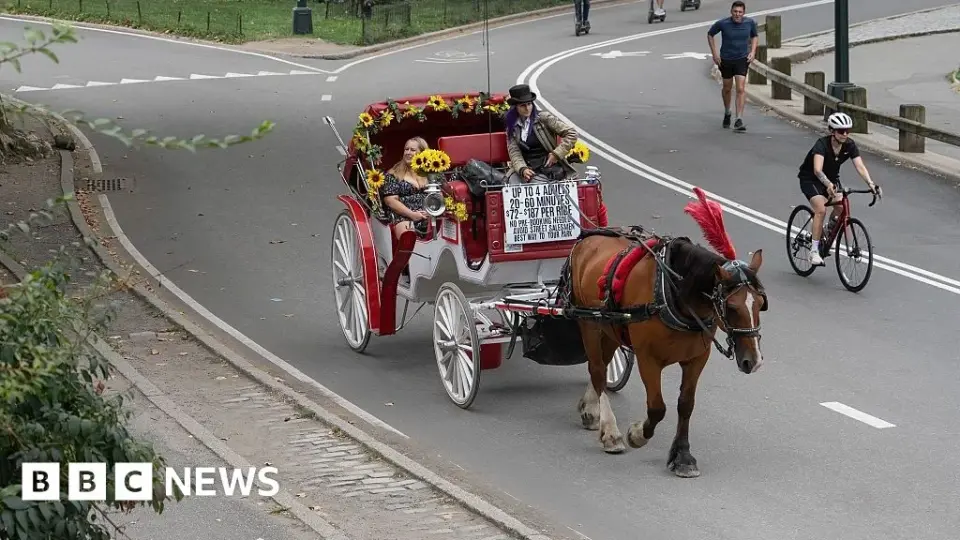
New York City is poised to end its 150-year-old horse-drawn carriage industry after Mayor Zohran Mamdani and Council Speaker Julie Menin reached a deal to ban the rides in Central Park starting June 2028. The legislation, known as Romanch’s Law, follows the fatal accident of an 18-year-old tourist in June and includes a transition plan for workers, though it faces fierce opposition from the Transport Workers Union.
Key points
- The ban is scheduled to take effect in phases, with full implementation by June 1, 2028.
- The bill, sponsored by Councilman Chris Marte with 29 co-sponsors, includes an 'industry transition framework' for job placement and training.
- The legislation explicitly prohibits the sale or transfer of horses for slaughter or to other carriage businesses.
- The Transport Workers Union (TWU) has condemned the deal as 'political opportunism' that destroys immigrant livelihoods.
- The move breaks a decades-long stalemate, with previous attempts to ban the industry failing due to union pressure.
Background
Efforts to ban horse-drawn carriages in New York City have persisted since 2010, with former Mayor Bill de Blasio proposing a ban in 2014 but ultimately implementing only restrictions on pickup locations. The current push gained urgency after the death of Romanch Mahajan, an 18-year-old visitor from India, who fell from a runaway carriage in Central Park in June 2026. This incident is noted as the first fatality in the industry's history, according to the Central Park Conservancy and the Transport Workers Union.
How outlets are covering it
While the City Council, Mayor's office, and advocacy groups like New Yorkers for Clean, Livable and Safe Streets (NYCLASS) emphasize public safety and animal welfare, the Transport Workers Union (TWU) argues the bill offers insufficient economic relief. TWU President John Samuelsen criticized the transition plan as 'weak,' noting it only requires the city to 'consider' financial compensation for owners who invested in medallions. Conversely, CNN and the New York Daily News highlight the bipartisan support for the ban, noting that the deal includes specific provisions for job counseling and potential tuition assistance, which the union rejects as inadequate. Politico frames the agreement as a major breakthrough in a long political stalemate, while also noting it may strain Mamdani's relationship with the powerful local union.
Why it matters
The ban represents a significant shift in urban policy regarding animal welfare and public safety in a major global city. It resolves a decades-long political impasse and sets a precedent for how cities handle the transition of traditional industries, balancing worker protections with public safety mandates. The outcome will likely influence similar debates in other cities with carriage traditions.
What to watch
The New York City Council is expected to vote on the bill on October 22. If passed, the city must develop a detailed industry transition plan by April 2027, outlining specific job placements and potential compensation for affected workers before the full ban takes effect in June 2028.
- Horse carriages in New York City expected to be outlawed BBC
- New York City’s iconic horse-drawn carriages expected to take their last trot CNN
- Mamdani and City Council Speaker Julie Menin strike deal to ban NYC horse carriage industry Politico
- NYC to ban Central Park horse carriages under deal between Mamdani, Menin New York Daily News
- NYC Council set to ban Central Park's carriage horse industry Gothamist
Want the full story? Read the original reporting
Read on BBC