
Pentagon Task Force 'Project Meridian' Taps Musk, Luckey, and Gingrich to Map Future Warfare
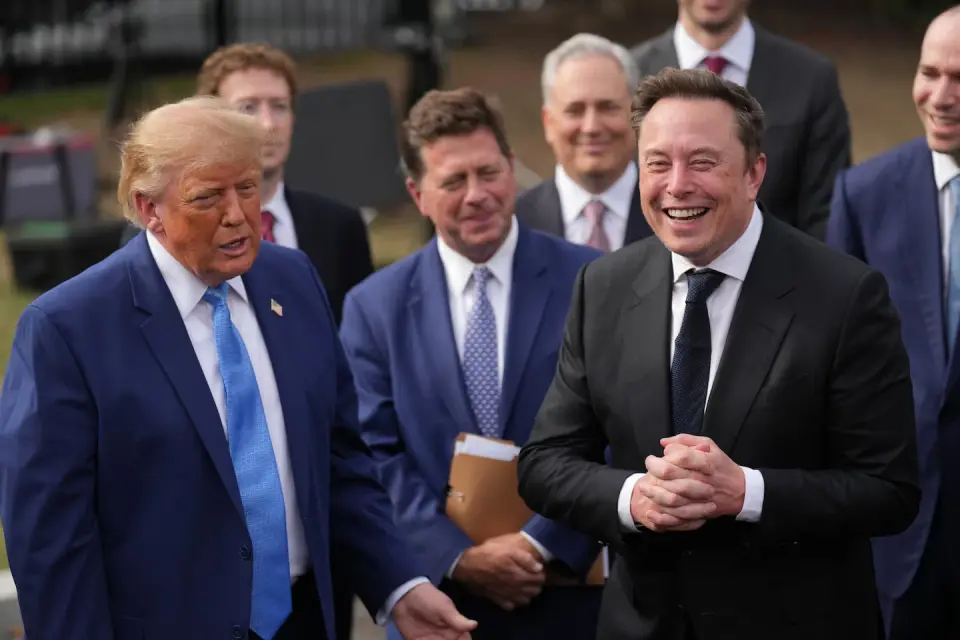
Defense Secretary Pete Hegseth has appointed Elon Musk, Palmer Luckey, and Newt Gingrich to co-lead 'Project Meridian,' a 120-day Pentagon initiative designed to identify future military capabilities and weapons needs. The group, overseen by Pentagon CTO Emil Michael, will deliver recommendations by late January, marking Musk's first formal government advisory role since leaving the Department of Government Efficiency. The move coincides with the announcement of a new Autonomous Warfare Command, though critics highlight significant conflicts of interest given the co-leads' extensive defense contracts and political fundraising roles.
Key points
- Project Meridian is a 120-day study group focused on identifying future warfare domains, including drones, hypersonic missiles, and subterranean systems, rather than creating new policy.
- Elon Musk, Palmer Luckey, and Newt Gingrich serve as co-directors, with Pentagon CTO Emil Michael overseeing the initiative.
- The group is expected to deliver a report with recommendations to Defense Secretary Pete Hegseth by late January 2026.
- The announcement coincided with the launch of a new four-star Autonomous Warfare Command, which aims to scale robotic systems across the military.
- Critics note that Musk's SpaceX and Luckey's Anduril hold billions of dollars in federal defense contracts, raising concerns about conflicts of interest.
Background
This development follows Musk's departure from the Department of Government Efficiency (DOGE) in late 2025, a period marked by internal culture clashes and a subsequent feud with President Trump over spending bills. Musk and Trump later reconciled, with Musk recently attending a White House meeting on AI safety. The new role represents his first formal return to government service in an advisory capacity.
How outlets are covering it
The Washington Post frames the appointment as Musk's limited return to government after his DOGE tenure, emphasizing the reconciliation with President Trump. The Guardian highlights the conflict of interest, noting that Musk and Luckey are major donors to the Republican party and hold significant defense contracts, describing Luckey as a key fundraiser for GOP candidates. CNBC focuses on the business implications, detailing specific contracts held by SpaceX and Anduril, while CNN contextualizes the move within Hegseth's broader push to modernize the military and his controversial rhetoric regarding 'woke' culture in the armed forces.
Why it matters
The appointment of major defense contractors and political donors to a high-level advisory role raises significant questions about the separation between private profit and public policy. It signals a shift in U.S. defense strategy toward autonomous and AI-driven warfare, potentially influencing billions of dollars in future contracts and military doctrine.
What to watch
The group is expected to deliver its final report with recommendations to Defense Secretary Pete Hegseth by late January 2026. The new Autonomous Warfare Command is scheduled to go online in October 2027.
- Elon Musk to return his attention to government, advise Pentagon on future of war The Washington Post
- Hegseth puts the future of warfare in the hands of major Maga donors The Guardian
- Pentagon creates 'Autowarcom' to expand AI and drone capabilities Reuters
- Elon Musk, Palmer Luckey and Newt Gingrich to help Pentagon with warfare initiative, Hegseth says CNBC
- Hegseth announces new autonomous weapons command while repeating attacks on ‘woke’ culture during speech to troops CNN
Want the full story? Read the original reporting
Read on The Washington Post