
Senate strikes late-stage deal on permitting reform, data center costs
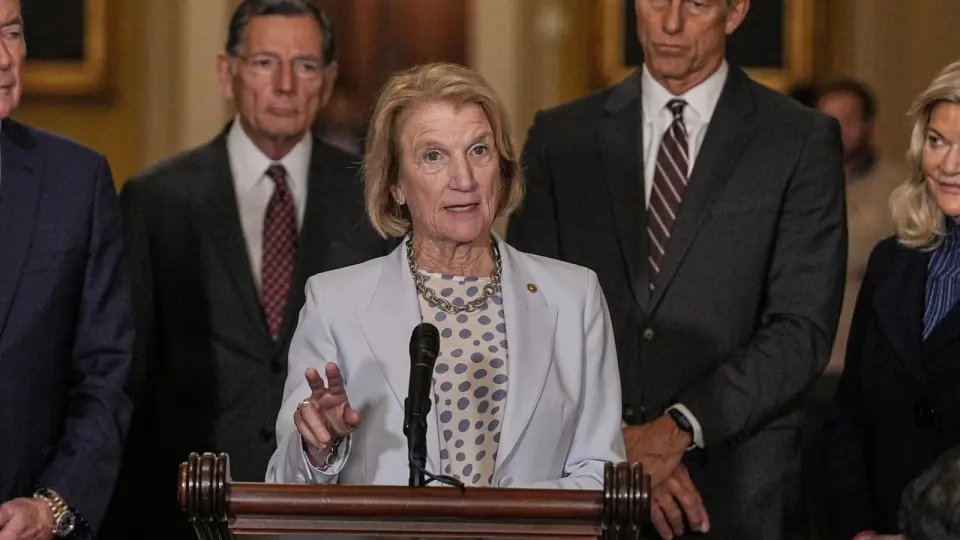
Senators reached a bipartisan agreement on construction permitting reform just before the midterm recess, aiming to speed up energy and infrastructure projects. The deal, titled the Bipartisan American Affordability and Jobs Act, requires data center developers to cover transmission costs and streamlines federal review processes. Lawmakers plan to vote on the 417-page bill during the post-election lame-duck session, though some remain cautious about specific legislative language regarding transmission authority and clean energy protections.
Key points
- Senators Shelley Moore Capito, Sheldon Whitehouse, Mike Lee, and Martin Heinrich finalized a bipartisan permitting reform deal on Wednesday.
- The Bipartisan American Affordability and Jobs Act aims to shorten federal permitting timelines for energy and critical infrastructure projects.
- The bill mandates that data center developers pay for their own energy transmission infrastructure costs.
- The legislation is scheduled for a vote during the lame-duck session following the November 3 midterm elections.
- The 417-page measure includes provisions to limit the time opponents have to litigate against projects and restricts unilateral White House blocks on clean energy developments.
Background
This development follows years of legislative efforts to streamline federal permitting, which has been a bottleneck for both fossil fuel and clean energy expansion. Recent midterm election dynamics, including competitive races in states like Texas and Iowa, have heightened the urgency for passing major infrastructure bills before the new Congress convenes. The deal also arrives amid broader debates over energy reliability and the growing electricity demand from data centers.
How outlets are covering it
CNBC emphasizes the deal as a significant step toward lowering energy costs and boosting economic growth, highlighting statements from negotiators about flooding the grid with affordable energy. The Washington Post focuses on the bill’s potential to lower electricity prices and its broad support from both the Solar Energy Industries Association and the American Petroleum Institute, noting it addresses bottlenecks for all energy types. POLITICO Pro highlights internal Senate caution, with senators like Angus King and Kevin Cramer noting that while concepts are agreed upon, the exact legislative language remains unverified. Republicans are scrutinizing Federal Energy Regulatory Commission transmission oversight, while Democrats are examining protections against the administration’s slow-walking of clean energy permits.
Why it matters
The bill could accelerate the construction of power plants and transmission lines, potentially stabilizing electricity prices and meeting the rising demand from data centers. However, the success of the lame-duck vote depends on resolving contentious details in the legislative text, which could affect the pace of both traditional and renewable energy projects.
What to watch
Senators will review the full 417-page text of the Bipartisan American Affordability and Jobs Act before the lame-duck session. The bill is expected to be the first vote upon the Senate’s return after the November 3 elections, with appropriations also listed as a top priority by Senator Chris Coons.
- Senators clinch construction permitting deal before election jet-set cnbc.com
- Permitting text has landed The Hill
- Building big things in the U.S. is hard. A Senate deal aims to fix that. The Washington Post
- US senators hit deal on energy project permitting bill, vote after midterm elections Reuters
- 'Solved in concept': Senate awaits permitting language POLITICO Pro
Want the full story? Read the original reporting
Read on cnbc.com