
Former Staff Blame Strategic Shifts for Academy of Natural Sciences Closure
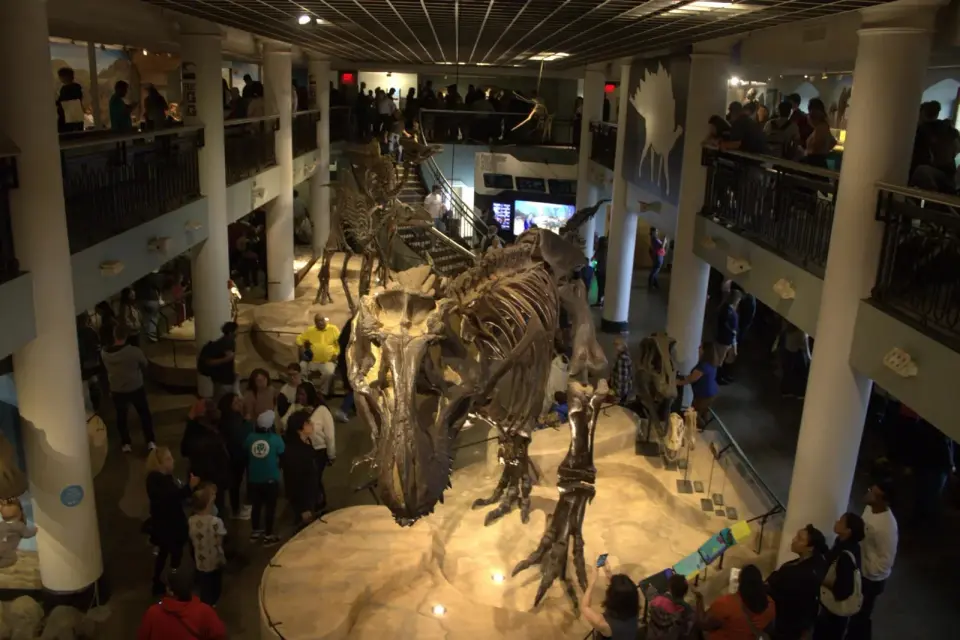
The Academy of Natural Sciences closed its public museum after 198 years, with leadership citing post-pandemic attendance drops and rising costs. Former staff argue that strategic missteps, including a pivot away from family audiences and deferred maintenance, caused the decline. While Drexel denies receiving a formal funding offer from the William Penn Foundation, City Council hearings are scheduled to investigate the closure and explore alternatives.
Key points
- The Academy of Natural Sciences closed its public museum on September 27, 2026, ending nearly 200 years of operation, with the building set to close completely by September 30.
- Drexel University and the Academy attributed the closure to declining visitor numbers after the pandemic and rising operational costs, stating they had to protect the financial future of their research and collections.
- Former staff members, including Jacquie Genovesi and Katie Marquardt, argue that the decline began before the pandemic due to a strategic shift away from family-oriented exhibits and live animal collections to attract adult audiences.
- The William Penn Foundation offered to fund the museum's operating costs for at least one year, but Drexel stated they have not received a formal proposal with defined financial support.
- Philadelphia City Council members are scheduled to hold hearings starting October 7 to investigate the closure and explore options for preserving the museum, while the Save the Academy group urges Drexel to disaffiliate from the institution.
Background
The Academy of Natural Sciences, the oldest natural history museum in the United States, had been affiliated with Drexel University since 2011. Previous coverage indicated that the institution faced financial pressures, including a Ponzi scheme in the 1990s and deferred maintenance issues, leading to the decision to close the public museum while preserving its scientific research and collections.
How outlets are covering it
Drexel University and the Academy of Natural Sciences maintain that the closure was a necessary response to fundamental changes in the economics of their operational model, citing post-pandemic visitor behavior and rising costs. In contrast, former staff members argue that the decline was caused by strategic missteps, such as a push to rebrand away from being known as a 'dinosaur museum' and the introduction of a $3 million art gallery at the expense of core family programs. The Daily Pennsylvanian highlights the loss of educational opportunities for children, while PhillyVoice emphasizes the need for Drexel to disaffiliate from the Academy to allow for independent decision-making.
Why it matters
The closure of the Academy of Natural Sciences represents a significant loss for Philadelphia's cultural and scientific heritage, as it was the oldest natural history museum in the country. The controversy surrounding the closure highlights broader issues in the funding and management of cultural institutions, particularly in the post-pandemic era. The potential loss of access to the museum's collections and the impact on local education and research make this a critical issue for the community.
What to watch
Philadelphia City Council members are scheduled to hold hearings starting October 7 to investigate the closure and explore options for preserving the museum. The Save the Academy group continues to urge Drexel University to disaffiliate from the Academy, while Drexel and the Academy are in ongoing discussions with the William Penn Foundation regarding potential funding. The future of the museum's collections and the building itself remains uncertain, with proposals for redevelopment into commercial real estate.
- What went wrong at Philly’s Academy of Natural Sciences? Former museum staffers point to years of missteps whyy.org
- Academy of Natural Sciences is closed, but the fight for the museum continues PhillyVoice
- No formal proposal from William Penn Foundation for funding to keep Academy of Natural Sciences open, Drexel University says 6abc Philadelphia
- Drexel: No formal funding offer received for Academy of Natural Sciences nbcphiladelphia.com
- ‘Irreplaceable’: Academy of Natural Sciences shutters doors after nearly 200 years The Daily Pennsylvanian
Want the full story? Read the original reporting
Read on whyy.org