
U.S. Enforces $1 Billion Ban on Canadian Alcohol and Dairy Amid Trade Standoff
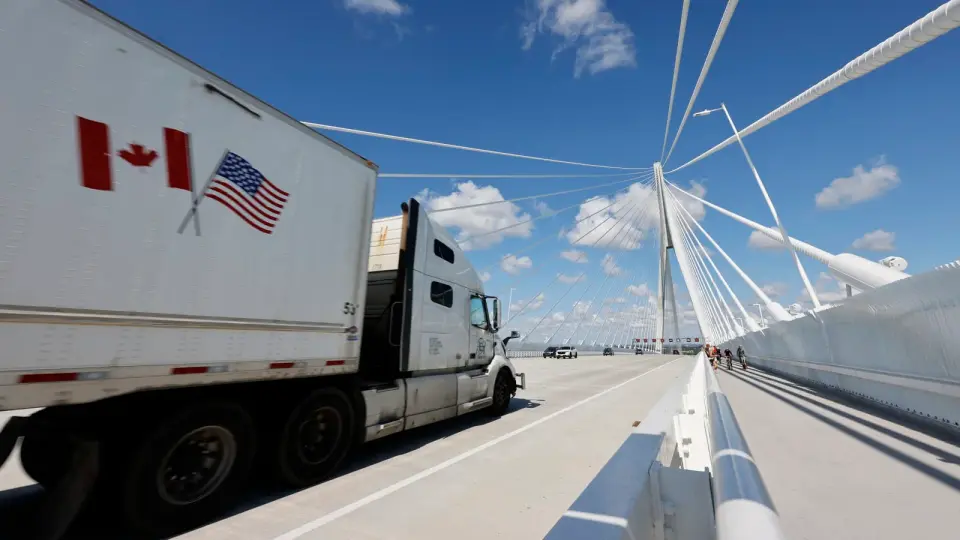
The United States officially implemented import bans on Canadian alcoholic beverages, dairy products, and motorcycles on September 29, 2026, targeting approximately $1 billion in goods. The move, grounded in the Smoot-Hawley Tariff Act, escalates a tit-for-tat trade dispute with Canada. While President Trump predicts Canada will seek a deal within weeks, Canadian officials insist they will not sign an agreement that harms their national interests, with no immediate progress in negotiations.
Key points
- The U.S. ban on Canadian imports took effect on September 29, 2026, covering goods valued at approximately $1 billion, including $800 million in alcoholic beverages.
- The restrictions target specific items such as whey products, molasses, motorcycles with engines larger than 800cc, and most alcoholic beverages packaged for direct consumption.
- Exemptions exist for bulk shipments of whisky and liqueurs in containers larger than four liters, allowing brands like Crown Royal to continue selling in the U.S. without facing tariffs.
- President Trump stated he expects Canada to capitulate and propose a deal within three to four weeks, claiming the U.S. will 'win everything' in the negotiations.
- Canadian Trade Minister Dominic LeBlanc rejected the notion of urgency, stating Canada is 'not waiting by the phone' and will not sign a deal that is bad for the country.
- The U.S. is relying on Section 338 of the Smoot-Hawley Tariff Act of 1930 to justify the bans, a law previously used to impose high tariffs during the Great Depression.
Background
The U.S. and Canada have been engaged in a escalating trade dispute since August 2026, when the U.S. imposed 50% tariffs on various Canadian goods. In response, Canada implemented retaliatory tariffs ranging from 15% to 50% on CA$27.6 billion worth of U.S. goods, including steel, dairy, and electronics. The current import bans are the latest step in this tit-for-tat escalation, following earlier announcements in September 2026. The Bank of Canada has warned that these new tariffs have increased uncertainty regarding the country's growth prospects and inflation risks.
How outlets are covering it
CNBC emphasizes the broad scope of the ban, noting it impacts $19.9 billion in Canadian imports according to the American Action Forum, and highlights the combative tone of President Trump, who claims Canada 'feels entitled' and 'takes advantage' of the U.S. CNN focuses on the practical implications for consumers, noting that most American shoppers are unlikely to notice immediate changes due to exemptions for bulk shipments and prior stockpiling by distributors. CNN also highlights the legal basis of the ban under the Smoot-Hawley Tariff Act and the potential for increased costs for businesses. BBC provides a more measured perspective, with economist Derek Holt describing the bans as 'face-saving' rather than substantive, and notes that Canada is not expected to retaliate further. BBC also highlights the limited impact on motorcycle exports, with only about 5,000 motorcycles sent to the U.S. in 2025. All three sources agree that trade talks remain stalled, with U.S. Trade Representative Jamieson Greer stating there is 'no urgency' on the U.S. side, while Canadian officials maintain a firm stance against signing a deal that harms their national interests.
Why it matters
The U.S. import ban on Canadian goods marks a significant escalation in the trade dispute between the two countries, potentially impacting key industries such as alcohol, dairy, and automobiles. The move could lead to increased costs for consumers and businesses on both sides of the border, and may further strain the close trading relationship between the U.S. and Canada. The legal basis of the ban under the Smoot-Hawley Tariff Act raises questions about the long-term implications for U.S. trade policy and the potential for further escalation in the trade war.
What to watch
The next steps in the U.S.-Canada trade dispute will likely depend on the outcome of ongoing negotiations. President Trump has predicted that Canada will seek a deal within three to four weeks, but Canadian officials have not indicated any immediate willingness to negotiate. The U.S. may continue to enforce the import bans and potentially impose additional tariffs, while Canada may consider further retaliatory measures or seek closer ties with other trading partners, such as the European Union. The impact of the bans on consumers and businesses will depend on the availability of exemptions and the ability of distributors to adapt to the new restrictions.
- America's Canadian import restrictions come into force. Here are the products barred from entry cnbc.com
- Trump just banned Canadian booze — but there’s a big catch CNN
- Trump administration ban on $1B in Canadian imports goes into effect The Hill
- US ban on Canadian alcohol and dairy comes into effect as trade war drags on BBC
- US ban on Canadian alcohol, dairy products and motorcycles takes effect as trade dispute escalates DW.com
Want the full story? Read the original reporting
Read on cnbc.com