
DHS Watchdog Confirms 'Alligator Alcatraz' Used Punitive Cages, Ignoring Federal Standards
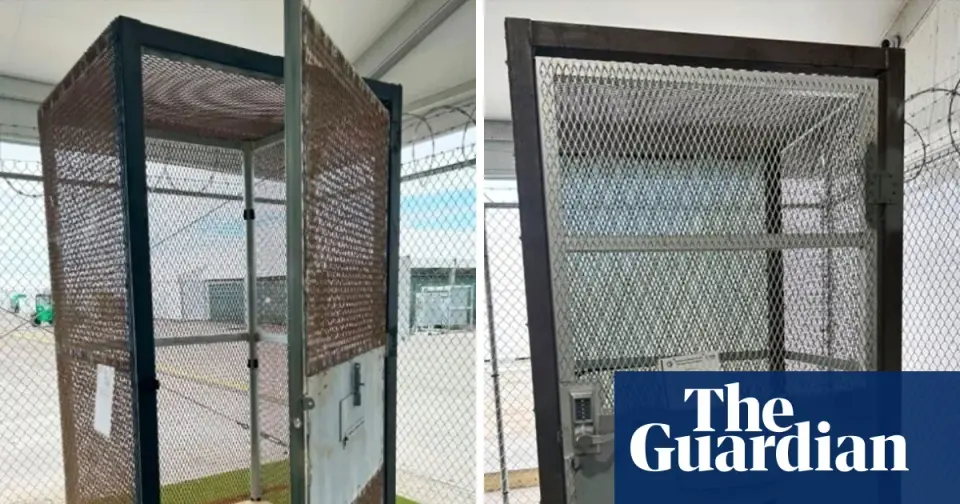
A Department of Homeland Security inspector general report confirms that the shuttered Florida detention center known as 'Alligator Alcatraz' routinely confined detainees in small outdoor metal cages, violating federal humane treatment standards. The report details 79 instances between July 2025 and January 2026 where detainees were locked in 18-square-foot enclosures for up to two hours, often as punishment. While Florida Governor Ron DeSantis dismissed the findings as politically motivated, the report highlights systemic failures in hygiene, medical care, and living space that posed significant risks to detainee health.
Key points
- The DHS Office of Inspector General found that 79 detainees were held in small metal cages, each offering only 18 square feet of space, well below the 37-square-foot minimum required by ICE national detention standards.
- Detainees were confined in these cages for up to two hours, with at least one instance documented as a disciplinary measure for failing to comply with a lawful command, contradicting staff claims that the cages were 'calming areas'.
- The report identified multiple other violations, including overcrowding, lack of access to clean drinking water, inoperable telephones, poor food hygiene, and insufficient recreation time, all of which posed significant risks to physical and mental health.
- The facility, operated by Florida authorities with federal funding, closed in June 2026 after one year of operation, during which it processed over 21,000 immigrants, according to Florida Governor Ron DeSantis.
- The inspector general’s findings were based on an unannounced visit in January 2026, confirming that the practice of using restrictive cages continued even after Amnesty International had previously exposed the issue in December 2025.
Background
The 'Alligator Alcatraz' detention center, located in the Florida Everglades, was established in 2025 under a 287(g) agreement between the federal government and Florida authorities. It was designed as a temporary facility but drew widespread criticism for its harsh conditions and environmental impact. Prior to the DHS report, Amnesty International had published a dossier in December 2025 detailing alleged human rights abuses, including the use of metal cages and exposure to extreme heat. Florida Governor Ron DeSantis’s office had dismissed these claims as 'fabrications' and 'politically motivated attacks.' The facility closed in June 2026, with officials citing hurricane season risks, though critics argued the closure was driven by political and financial pressures, including lawsuits over environmental damage and the high daily operational cost of $1.2 million.
How outlets are covering it
The DHS Office of Inspector General and civil rights groups like Amnesty International and Global Refuge strongly condemned the use of the cages, labeling them as inhumane and a violation of basic human dignity. Amnesty International’s director, Amy Fischer, stated that the report confirms the 'horrific treatment' of detainees was real, not a hoax, as previously claimed by Trump administration officials. Global Refuge’s president, Krish O’Mara Vignarajah, criticized the euphemism of calling the cages 'calming areas,' calling it an 'affront to human dignity.' In contrast, Florida Governor Ron DeSantis and his communications manager, Alex Lanfranconi, dismissed the findings as 'left-wing media' attacks, claiming the cages adhered to federal standards for criminal confinement and that detainees were 'violent criminal aliens.' DeSantis even stated that the state would have made the cages smaller if possible. The DHS itself, in its response to the report, shifted responsibility to Florida authorities, stating that the state, not the federal government, had authority over day-to-day operations at the facility. This divergence highlights a deep disagreement between federal oversight bodies and state-level immigration enforcement, with the latter defending its actions as necessary for public safety, while the former and advocacy groups view them as a gross violation of detainee rights.
Why it matters
The DHS inspector general report provides the first official confirmation that the 'Alligator Alcatraz' facility violated federal detention standards, undermining the Trump administration’s and Florida’s claims of humane treatment. It exposes a pattern of punitive and inhumane practices in immigration detention, raising serious questions about accountability and oversight in federal-state partnerships. The report’s findings could lead to further legal challenges, congressional inquiries, and policy reforms aimed at improving conditions in immigration detention facilities. Additionally, it highlights the tension between federal oversight and state-level enforcement, with Florida authorities attempting to shift blame to the federal government while the DHS watchdog holds them accountable. This case underscores the ongoing debate over the treatment of immigrants and the need for transparent, humane detention practices in the United States.
What to watch
The DHS inspector general report is likely to trigger further scrutiny from Congress, particularly from Democratic senators like Jon Ossoff and Dick Durbin, who had previously raised concerns about the use of the cages. Civil rights groups may use the report to push for legal action or policy changes to prevent similar practices in other detention facilities. Florida authorities may face increased pressure to justify their actions, though they have already dismissed the findings as politically motivated. The closure of 'Alligator Alcatraz' may lead to a reevaluation of the 287(g) agreement and the role of state-run detention centers in federal immigration enforcement. Additionally, the report could influence public opinion and political discourse around immigration, with advocates using it to highlight the need for humane treatment and accountability in detention facilities.
- Alligator Alcatraz held detainees in cages the size of phone booths, DHS watchdog says The Guardian
- Immigrants held in small outdoor cages at 'Alligator Alcatraz' in Florida, investigators find BBC
- ICE detainees held in cages at 'Alligator Alcatraz', watchdog finds USA Today
- ‘Alligator Alcatraz’ Used Small Cages as ‘Calming Areas,’ Report Says The New York Times
- DeSantis dismisses claims that Alligator Alcatraz violated detention standards Politico
Want the full story? Read the original reporting
Read on The Guardian