
Cornell campus escalates with sit-ins, death threats, and independent review
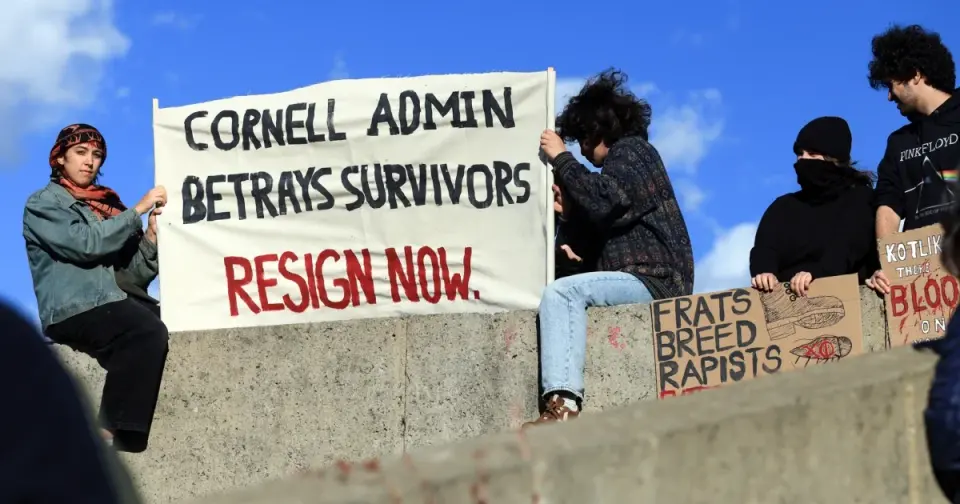
Cornell University is facing intense scrutiny and internal unrest following a civil lawsuit alleging a 2024 gang rape at a Chi Phi fraternity house. A seven-hour student sit-in occurred on Oct. 7, 2026, coinciding with a new independent review led by former Deputy Attorney General Sally Yates. The situation has intensified with reports of death threats against the plaintiff, Jane Doe, and a no-confidence vote against university leadership.
Key points
- On Oct. 7, 2026, approximately 80 students staged a seven-hour sit-in in a Cornell dining hall to demand accountability for the 2024 alleged assault.
- Jane Doe, the plaintiff, has received death threats and was involved in a 'swatting' incident where police pointed guns at her family, according to her attorney Thomas Giuffra.
- Cornell University announced that former US Deputy Attorney General Sally Q. Yates will lead an independent review of the school's response to sexual misconduct.
- New York State Attorney General Letitia James has been appointed as special prosecutor to investigate the case, though her appointment is facing a legal challenge from the defense.
- The Ithaca city council voted to impose a moratorium on event and noise permits for Cornell-affiliated organizations through early November due to safety concerns.
- Cornell faculty members are moving toward a no-confidence vote against President Michael Kotlikoff, with approximately 40 senators supporting the resolution.
Background
This crisis stems from a civil lawsuit filed in September 2026 by a former student, identified as Jane Doe, who alleges she was drugged and gang-raped by seven Chi Phi fraternity members in October 2024. Previous coverage noted that the Tompkins County District Attorney initially declined to file criminal charges, leading to public outrage and vandalism on campus in early October 2026. The current developments represent an escalation of that unrest, moving from general protests to specific legal and safety crises.
How outlets are covering it
NBC News emphasizes the student-led 'Zero Day' economic blackout and the solidarity of the campus community. CNN highlights the severe personal safety risks faced by Jane Doe, including death threats and a swatting incident, while noting the defense's claim that the encounter was consensual. The Washington Post focuses on the broader statistical context of rising sexual violence reports on college campuses and the data discrepancies in how Cornell handles such cases compared to statewide figures. While all outlets agree on the severity of the situation, they differ in focus: NBC on the protest mechanics, CNN on the legal and safety fallout, and the Post on the systemic data trends.
Why it matters
The case has become a national flashpoint for sexual misconduct on college campuses, leading to a 73% increase in calls to the National Sexual Assault Hotline. It highlights the tension between university administrative responses, local law enforcement decisions, and the demands of the public for accountability in high-profile cases.
What to watch
The Faculty Senate is expected to vote on a no-confidence resolution against President Kotlikoff on Oct. 14. The independent review led by Sally Yates will determine if Cornell followed its policies, while the state attorney general's investigation will assess the initial handling of the case by police and the district attorney's office.
- Cornell students plan seven-hour sit-in over alleged 2024 fraternity assault NBC News
- The ‘Cornell 7’ Lawsuit Has Reignited America’s Debate Over Sexual Consent WSJ
- Cornell officials pressed by faculty as outrage mounts over alleged gang rape CNN
- Reports of sexual violence are up. Data from Cornell and other colleges in 8 charts. The Washington Post
- Opinion | A Reckoning at Cornell, and Beyond The New York Times
Want the full story? Read the original reporting
Read on NBC News