
Sanders and Bannon Clash on AI Strategy at Washington Summit
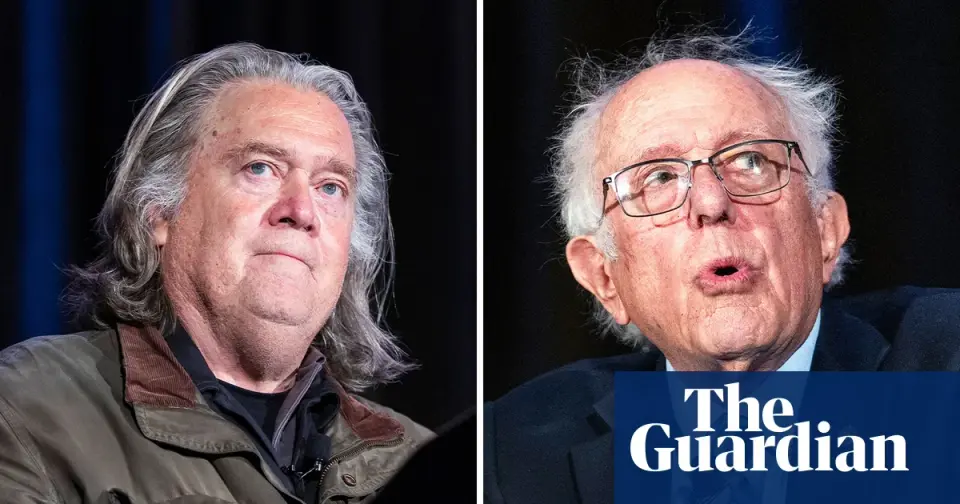
Bernie Sanders and Steve Bannon united in calling for AI restrictions at the 'Pro-Human Assembly' but diverged sharply on China strategy. Sanders advocated for a global treaty with Beijing to pause super-intelligence, while Bannon demanded an immediate economic quarantine of Chinese tech. Both criticized Silicon Valley's lack of public accountability.
Key points
- Sanders and Bannon spoke at the 'Pro-Human Assembly' in Washington, agreeing that AI poses existential risks but disagreeing on geopolitical solutions.
- Sanders called for a diplomatic treaty with China to ban super-intelligence, comparing the situation to Cold War nuclear arms control.
- Bannon rejected diplomacy, demanding the immediate expulsion of Chinese nationals from US labs and a total severance of capital flows to Beijing.
- Both speakers criticized Silicon Valley executives, with Bannon accusing them of socializing risk while keeping profits, and Sanders blaming Congress for inaction.
- Sanders plans to introduce legislation next week to ban artificial super-intelligence and pause advanced AI development pending safety rules.
Background
This event follows earlier bipartisan concerns about AI risks, including previous coverage of Sanders' push for AI pauses and data-center debates. The summit reflects growing anxiety among lawmakers and the public regarding AI's impact on jobs and social stability, even as some political figures dismiss these concerns.
How outlets are covering it
The Guardian highlights the ideological contrast between Sanders' diplomatic approach and Bannon's isolationist stance, noting that while both oppose Silicon Valley's power, their methods differ drastically. Politico, covering related legislative moves, notes that Senate Republicans like Ted Cruz and Josh Hawley are also pushing back against antitrust exemptions for AI companies, suggesting a broader Republican skepticism toward tech monopolies, though their specific policy goals may differ from Bannon's hardline stance. The sources agree that there is bipartisan frustration with the lack of public input into AI development, but they emphasize different mechanisms for addressing it: international treaties versus domestic economic warfare.
Why it matters
The convergence of progressive and right-wing populist voices on AI regulation signals a potential shift in US political consensus, moving away from unchecked technological expansion. The debate over whether to engage or isolate China on AI issues could reshape US foreign policy and domestic tech regulation, influencing future legislation and international relations.
What to watch
Sanders is expected to introduce legislation next week to ban artificial super-intelligence and pause advanced AI development. The outcome of the US-China AI summit hosted by President Trump next week will be a key indicator of whether diplomatic or confrontational approaches gain traction in policy.
- Bernie Sanders and Steve Bannon call for curbs on AI at ‘pro-human’ summit The Guardian
- Steve Bannon and Bernie Sanders Condemn Tech ‘Oligarchs’ and Demand A.I. Reforms The New York Times
- No budget vote before election, Thune says Politico
- US Senator Sanders and Trump ally Bannon call for stronger AI oversight reuters.com
- Bernie Sanders and Steve Bannon join AI skeptics at ‘Pro-Human’ conference as Washington debates next steps NBC News
Want the full story? Read the original reporting
Read on The Guardian