
Cornell President Admits Failure to Follow Up on 2024 Assault Report
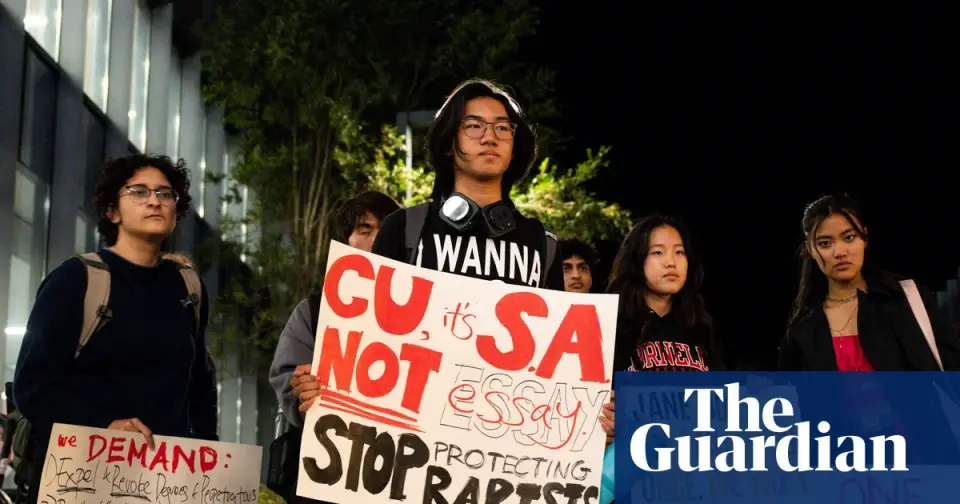
Cornell President Michael Kotlikoff admitted in a New York Times interview that he knew about a 2024 sexual assault report but failed to follow up with the victim, who later dropped out. The university has suspended all fraternity parties for the academic year and hired former Deputy Attorney General Sally Yates to lead an independent review, following a civil lawsuit and calls for Kotlikoff’s resignation.
Key points
- Kotlikoff acknowledged he was aware of the November 2024 report but did not contact the victim, Jane Doe, until she filed a lawsuit in September 2026.
- The university suspended all parties and social events in Interfraternity Council houses for the 2026-2027 academic year, with zero tolerance for violations.
- Cornell is integrating New York State Police investigators to handle sexual assault cases independently of campus police.
- A special committee of the Board of Trustees retained Sally Yates to lead a comprehensive independent review of campus misconduct policies.
- The Tompkins County District Attorney declined to bring criminal charges initially but has agreed to reopen the investigation.
Background
This development follows months of escalating tension at Cornell, including campus protests and vandalism in early October 2026. Previous coverage noted that the university had already announced plans to review Greek life and integrate state police after Governor Kathy Hochul appointed Attorney General Letitia James as special prosecutor. The current situation represents the culmination of these crises, moving from policy announcements to direct admissions of administrative failure by the university president.
How outlets are covering it
The New York Times highlights Kotlikoff’s personal admission of negligence, emphasizing his lack of awareness regarding the victim’s withdrawal until the lawsuit was filed. In contrast, the official statement from Cornell University frames the response as proactive and systemic, focusing on immediate safety measures and cultural change rather than individual accountability. While the Times notes the loss of trust and anger from the community, the university statement emphasizes listening to stakeholders and implementing structural reforms, such as adding case managers and expanding the Presidential Task Force. Both sources agree on the severity of the 2024 incident but differ in their emphasis on the president’s personal responsibility versus institutional reform.
Why it matters
This case exposes significant gaps in how US universities handle sexual assault reports, particularly regarding communication with victims and the adequacy of internal disciplinary actions. The involvement of state-level prosecutors and an independent review led by a former federal official signals a shift toward external oversight in campus misconduct cases. It also highlights the growing demand for transparency and accountability in higher education leadership, as faculty and students push for systemic changes beyond immediate disciplinary measures.
What to watch
The Cornell faculty senate is expected to vote on a motion of no confidence in President Kotlikoff later this month. The independent review led by Sally Yates will provide actionable recommendations for policy changes, while the university continues to implement immediate safety measures and support services for survivors. The Tompkins County District Attorney’s reopened investigation may lead to criminal charges against the accused fraternity members.
- Cornell president acknowledges he knew about fraternity sexual assault but didn’t follow up The Guardian
- Cornell’s President Apologizes to Jane Doe Following Gang Rape Allegations: ‘This Entire Campus is Sorry’ People.com
- Immediate measures to strengthen campus safety and better support survivors Cornell University
- Cornell Bans Fraternity Parties and Adds Sexual Assault Investigators The New York Times
- Cornell suspends fraternity parties, gives state police role in investigating campus assault reports Yahoo
Want the full story? Read the original reporting
Read on The Guardian