
Greeks Express Resignation as Guilfoyle Faces $100k Quid Pro Quo Accusations
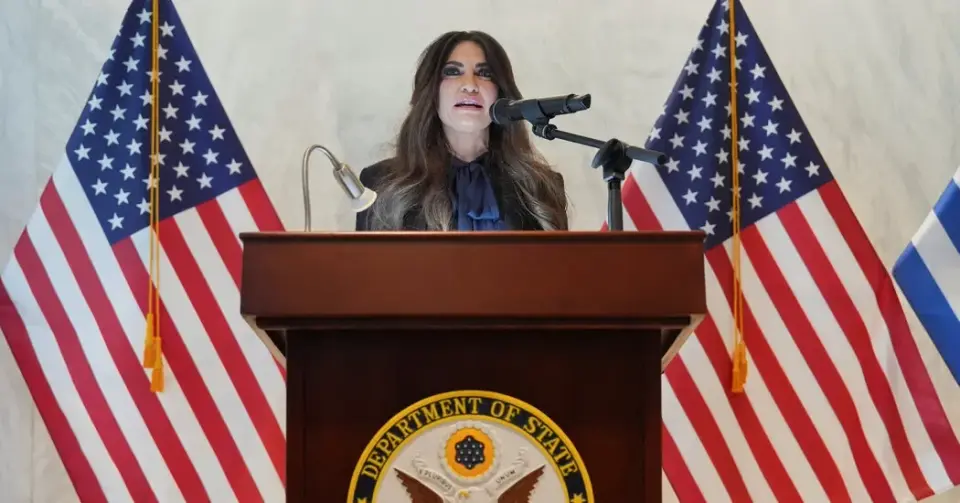
U.S. Ambassador Kimberly Guilfoyle faces mounting scrutiny after a donor accused her of seeking $100,000 to pay her credit card bill in exchange for access to Trump administration officials. While the ambassador’s legal team disputes the authenticity of the messages, Greek citizens expressed deep cynicism and resignation, viewing the situation as a sign of their limited leverage in U.S. diplomacy. Democratic leaders have formally requested an investigation, but Secretary of State Marco Rubio has refused to comment, reaffirming his support for the embassy.
Key points
- Eric Deters, a former congressional candidate, accused Guilfoyle of offering 'ride or die' access to administration officials if he paid her $100,000 American Express debt.
- Guilfoyle’s lawyer, Jesse Binnall, disputed the authenticity of the messages but acknowledged she was owed a balance for travel and speaking events prior to her nomination.
- Greeks interviewed in Athens expressed exasperation, with some noting that as a smaller nation, Greece must 'play along' with U.S. representatives regardless of their conduct.
- Democratic leaders, including Senators Jeanne Shaheen and Gregory Meeks, have written to Secretary of State Marco Rubio demanding an investigation into Guilfoyle’s conduct and potential conflicts of interest.
- Rubio refused to address the allegations during a press conference in Athens, stating he would not comment on the specific reports but reaffirmed his support for the U.S. embassy in Greece.
Background
This scandal follows earlier reports in September regarding Guilfoyle’s promotion of Greek business interests and her high-profile public appearances in Athens. The current controversy intensifies scrutiny over her diplomatic conduct just weeks after her confirmation, building on previous concerns about her associations and energy diplomacy efforts.
How outlets are covering it
The New York Times emphasizes the emotional response of the Greek public, highlighting a sense of resignation and the power imbalance between smaller nations and the U.S. In contrast, The Guardian focuses on the specific financial mechanics of the alleged 'quid pro quo' and the political fallout, detailing the formal requests for investigation from Democratic lawmakers and the administration’s defensive silence. While both outlets agree on the core allegations, the NYT frames the story through the lens of international relations and public sentiment, whereas The Guardian frames it as a domestic political and ethical crisis within the Trump administration.
Why it matters
The allegations raise serious questions about the integrity of U.S. diplomatic appointments and the potential for corruption in foreign policy. The lack of a clear response from the State Department, combined with the resignation of the Greek public, suggests a potential erosion of trust in U.S. diplomatic credibility and the effectiveness of oversight mechanisms for appointed officials.
What to watch
The next steps will likely involve the outcome of the formal requests from Democratic leaders for an investigation by the State Department. The administration’s response to these inquiries, or lack thereof, will determine whether Guilfoyle faces removal or further scrutiny. Additionally, the authenticity of the messages shared by Eric Deters will be a focal point in any potential legal or political proceedings.
- Exasperation and Resignation in Greece Over Allegations Against Kimberly Guilfoyle The New York Times
- ‘Honey Please’: Kimberly Guilfoyle Pushed Donor to Wire $100,000 to Her Amex Account WSJ
- Trump donor accuses ‘grifter’ Kimberly Guilfoyle of $100,000 quid pro quo The Guardian
- ‘It was a definite quid pro quo.’ GOP donor who accused Guilfoyle of corruption speaks out PBS
- The Memo: Guilfoyle furor rises as Trump stops short of expressing support The Hill
Want the full story? Read the original reporting
Read on The New York Times