
U.S. Deploys Third Carrier Group as Trump Signals Post-Election Strikes on Iran
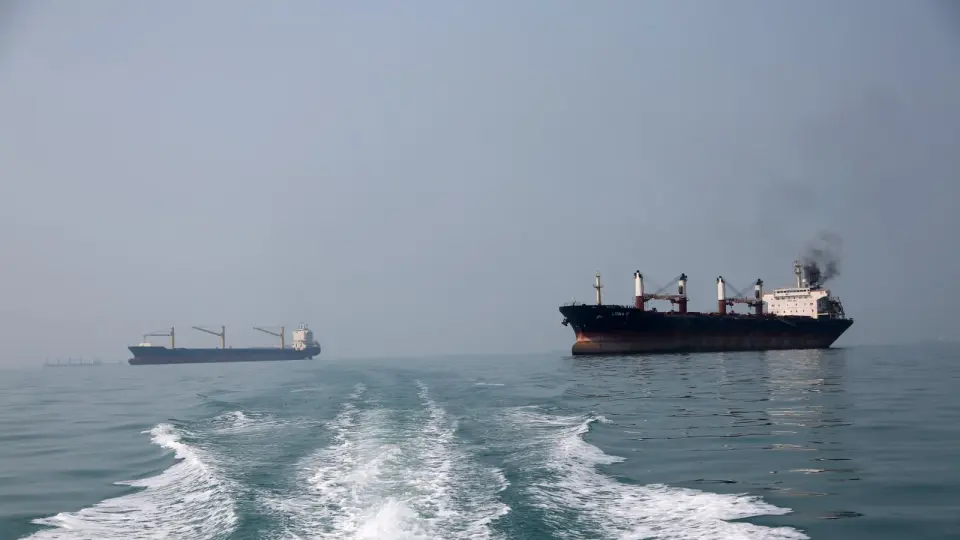
The U.S. is sending a third aircraft carrier strike group and an amphibious force to the Middle East, with the full buildup expected by November. President Trump has indicated he may resume strikes on Iran after the midterm elections. Diplomatic talks have stalled, and new U.S. sanctions target Iran's auto and rail sectors.
Key points
- The USS Theodore Roosevelt carrier strike group and the Makin Island Marine Expeditionary Unit, carrying over 2,000 Marines, have departed San Diego for the Middle East.
- The deployment is expected to be complete by November, adding to the roughly 50,000 U.S. troops already in the region, bringing the total to potentially 60,000.
- President Trump has signaled to aides that he intends to resume bombing Iran after the November midterm elections, though he has not specified targets.
- The U.S. Treasury sanctioned Iran's auto and rail sectors, including state-owned firms and suppliers in the UAE, Hong Kong, Turkey, and Indonesia, as well as a Russia-linked financial network.
- Indirect U.S.-Iran talks mediated by Qatar failed to produce a breakthrough, with Washington rejecting Tehran's proposal to reopen the Strait of Hormuz in exchange for lifting the U.S. blockade.
Background
The current escalation follows months of intermittent strikes and diplomatic deadlocks. In September, the U.S. conducted strikes on Iranian targets in the Strait of Hormuz, which Iran retaliated against by attacking U.S. bases in Jordan and the UAE. Previous reports indicated that the U.S. had already deployed over 120 aircraft and nearly 7,000 additional soldiers to the region since the conflict began in early 2026. The ongoing stalemate has kept oil prices elevated and raised concerns over the free flow of shipping through the Strait of Hormuz.
How outlets are covering it
Al Jazeera emphasizes the scale of the deployment, noting that the new forces will add to the existing 50,000 U.S. troops in the region and provide Trump with a wider menu of options. The outlet also highlights the political context, suggesting the buildup may be a negotiating tactic ahead of the midterm elections. The Washington Post focuses on the Pentagon's preparation for a potential surge, with officials indicating that forces are 'ready to go' should Trump order new attacks. CNBC highlights the economic dimension, noting the new sanctions on Iran's auto and rail sectors and the Treasury Secretary's claim that Iran loaded 'zero' crude oil onto tankers in September. All outlets agree that diplomatic efforts have stalled, with the U.S. rejecting Iran's proposal to reopen the Strait of Hormuz.
Why it matters
The deployment of a third carrier group and the threat of renewed strikes signal a potential escalation in the U.S.-Iran conflict, which has been ongoing for eight months. The buildup could have significant implications for regional stability, oil prices, and global trade, particularly given the importance of the Strait of Hormuz for oil transit. The political timing, with the buildup expected to be complete by November, suggests that the U.S. may be preparing for a more aggressive stance after the midterm elections.
What to watch
The full military buildup is expected to be complete by November, at which point President Trump may decide whether to resume strikes on Iran. Diplomatic talks are likely to remain stalled, with the U.S. and Iran at odds over the reopening of the Strait of Hormuz and the lifting of sanctions. The U.S. may also impose further sanctions on Iran's economic sectors, while Iran may retaliate with attacks on U.S. bases or shipping in the region.
- U.S. to send third carrier group to Mideast as Trump warns of new Iran strikes CNBC
- New aircraft carrier, 10,000 US troops: Is the Iran war about to escalate? Al Jazeera
- Pentagon prepares for potential surge of naval forces in Middle East The Washington Post
- Third aircraft carrier and thousands of troops head to Mideast as Trump weighs new Iran strikes yahoo.com
- Scoop: U.S. sent more Patriots to protect Saudi, Qatari energy sites Axios
Want the full story? Read the original reporting
Read on CNBC