
Archaeologists Uncover 280 Ice Age Engravings in Long-Visited Spanish Cave
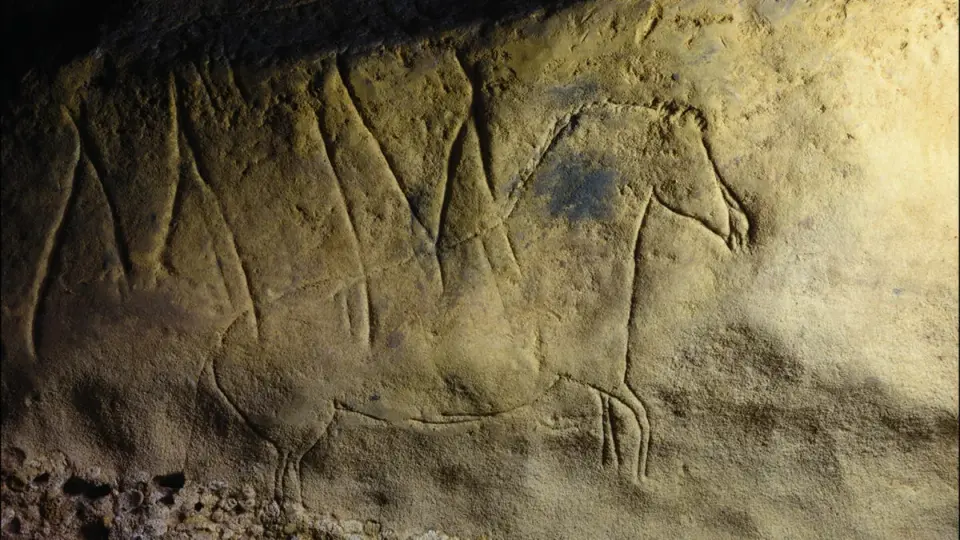
Researchers at the Catalan Institute of Human Palaeoecology and Social Evolution identified 280 prehistoric engravings in the Cova de la Font Major in Catalonia, Spain. Discovered in 2019, the art includes 55 animal figures and geometric shapes dating to at least 19,000 years ago. The findings, published in Antiquity, challenge previous assumptions that the cave's soft walls were unsuitable for such artwork and highlight a distinct Mediterranean graphic tradition.
Key points
- Josep Maria Vergès and Míriam Salas-Altès identified 280 motifs in the Cova de la Font Major, including 55 animal figures of horses, deer, and bovids, along with 40 parallel lines.
- The engravings date to the Upper Paleolithic, with a minimum age of 19,000 years, determined through stylistic analysis and radiocarbon dating of human occupation.
- The discovery was accidental when Vergès investigated a side cave after tourists emerged from it, noticing prehistoric lines beneath modern graffiti dating back to 1957.
- The assemblage is significant because fewer than 10% of regional rock art sites contain more than 20 animal drawings, making this collection exceptionally large.
- The art includes a rare bear depiction with specific anatomical details, suggesting a distinct Mediterranean artistic identity separate from the Franco-Cantabrian region.
Background
Recent studies have highlighted the genetic connectivity of Ice Age populations across Europe, challenging previous views of isolation. While those findings focused on DNA from cave sediments and bones in France and Spain, this discovery adds a cultural dimension to the understanding of human presence in the region during the last glacial period.
Why it matters
This discovery reshapes the understanding of prehistoric art in north-eastern Iberia, proving that the region holds first-rate Paleolithic rock art sites. It suggests that a unique Mediterranean graphic tradition existed, distinct from the well-known Franco-Cantabrian style, and indicates that many other sites may hold undiscovered art due to similar visibility issues.
What to watch
Researchers aim to refine the dating of the engravings and investigate sediment-blocked entrances within the cave, which may lead to additional hidden galleries. The team also plans to further analyze the chemical composition of the engravings to ensure authenticity and explore the broader implications for Mediterranean rock art traditions.
Want the full story? Read the original reporting
Read on Gizmodo