
Molecular Clocks Push Animal Origins Back 200 Million Years
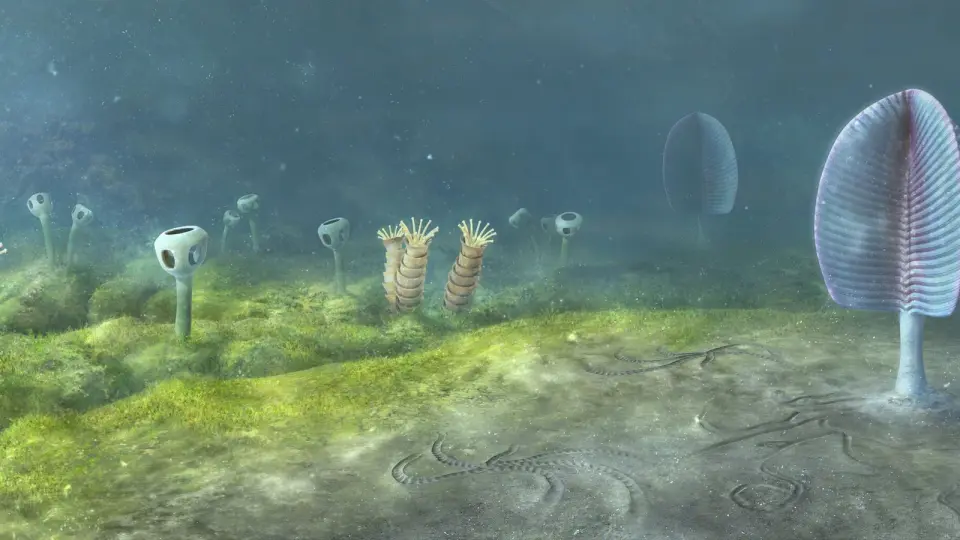
A new study published in Science Advances suggests that animals may have evolved 200 million years earlier than previously believed. By using molecular clock analysis, researchers argue that the absence of fossils in certain ancient rocks does not mean animals were absent, proposing origins between 800 and 700 million years ago.
Key points
- The study challenges the current consensus that the earliest animal fossils date to approximately 574 million years ago during the Ediacaran period.
- Researchers utilized molecular clock analysis to estimate evolutionary timelines, suggesting animals emerged between 800 and 700 million years ago.
- This new timeline places the origin of animals deep within the Neoproterozoic era, potentially coinciding with extreme ice ages.
- The authors argue that the lack of undisputed animal fossils in well-preserved ancient rocks is due to preservation biases or incorrect search locations, not the absence of life.
- Ross Anderson, an associate professor at the University of Oxford, noted that the precise birth date of the animal kingdom remains uncertain until definitive fossil evidence is found.
Background
This finding aligns with recent genomic studies that have revised evolutionary timelines for other species, such as the 2026 discovery that bats originated in Europe 65 million years ago, overturning previous theories. While the bat study relied on genomic and fossil data to correct geographic origins, this new research uses molecular clocks to extend the temporal origins of animals, highlighting a broader trend in using genetic data to challenge fossil-based assumptions.
Why it matters
Revising the timeline of animal evolution by 200 million years fundamentally changes our understanding of life's history on Earth. It suggests that animal life existed during periods of extreme environmental stress, such as global ice ages, which could influence theories about how early life adapted to harsh conditions. This shift also prompts a re-evaluation of fossil search strategies, as researchers may need to look in different geological contexts to find evidence of early animal life.
What to watch
Researchers will likely focus on finding undisputed animal fossils from the Neoproterozoic era to validate the molecular clock estimates. This may involve exploring new geological sites or re-examining existing rock deposits that were previously deemed unsuitable for fossil preservation. The scientific community will continue to debate the reliability of molecular clocks versus fossil evidence in determining evolutionary timelines.
Want the full story? Read the original reporting
Read on Live Science