
F1 Unveils Rwanda African GP: 2030s Debut, 197m Elevation, and Sportswashing Criticism
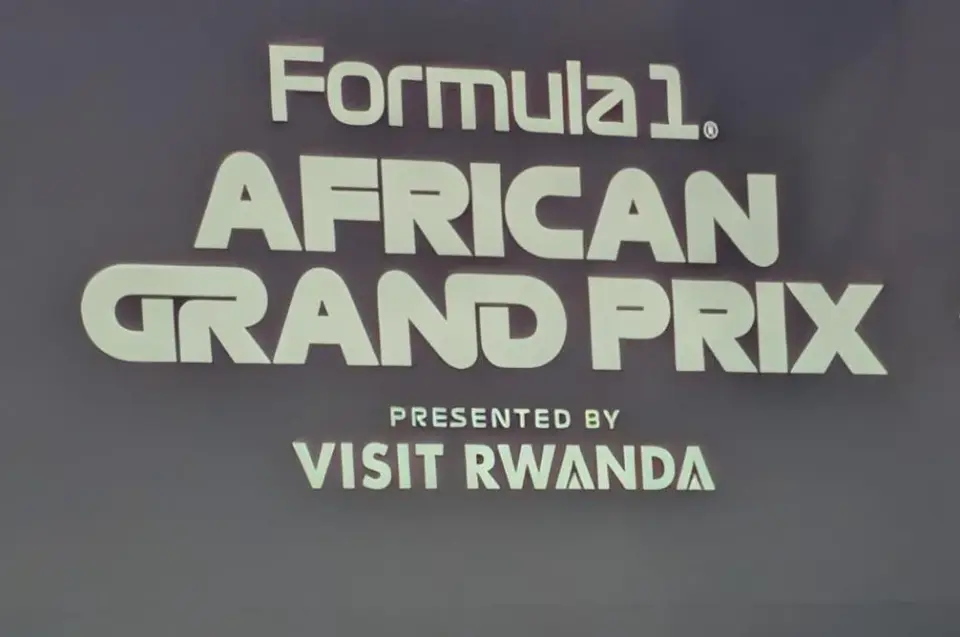
Formula 1 has officially announced the African Grand Prix, a 10-year deal with Rwanda to host a race in the early 2030s. The event will feature a new 6km circuit in Bugesera, designed by Alex Wurz to exploit the region's steep elevation changes. While F1 CEO Stefano Domenicali hailed the move as a landmark for global expansion, the announcement has drawn sharp criticism from human rights groups over Rwanda's record.
Key points
- The African Grand Prix will debut in the early 2030s, with no exact date set to allow time for infrastructure completion.
- The new Bugesera circuit is a 6km, 17-corner permanent track with 197m of elevation change, nearly double that of Spa-Francorchamps.
- The event is named after the continent rather than the host country to signal a broader commitment to African motorsport.
- The project requires the completion of the Bugesera international airport, currently under construction and due to open in late 2028.
- Rwanda has signed a 10-year agreement, aiming to generate long-term economic benefits through tourism and infrastructure development.
Background
Formula 1 has not raced in Africa since 1993, when the South African Grand Prix ended. Previous attempts to return to the continent, including discussions with South Africa and Morocco, had failed to secure a permanent deal. The current announcement follows over three years of planning and collaboration between F1 and the Rwandan government.
How outlets are covering it
Motorsport.com emphasizes the technical and logistical details, highlighting the circuit's design by Tilke, DAR, and Wurz, as well as the flexible timeline tied to airport construction. BBC focuses on the broader geopolitical and human rights implications, noting that Amnesty International has accused Rwanda of 'sportswashing' to deflect from its human rights record. BBC also notes that the DRC has filed a case against Rwanda at the International Court of Justice. Both outlets agree on the 10-year deal and the early 2030s debut, but Motorsport.com frames the event as a major commercial and sporting achievement, while BBC frames it as a controversial partnership.
Why it matters
This deal marks the first time Formula 1 will race in Africa since 1993, fulfilling a long-standing goal to expand the sport's global footprint. It also represents a significant infrastructure investment in Rwanda, with the potential to boost tourism and local economies. However, the controversy over sportswashing raises questions about the ethical implications of major sporting events partnering with governments with disputed human rights records.
What to watch
The next steps include the completion of the Bugesera international airport by late 2028 and the construction of the circuit. F1 will need to determine the exact date for the inaugural race, likely avoiding the main rain season from March to May. The sport will also need to address the criticism from human rights groups and ensure the event meets its sustainability and safety standards.
- Five key takeaways from F1's big African Grand Prix reveal in Rwanda Motorsport.com
- The African Grand Prix: Why F1 is going to Rwanda and why is it controversial? The New York Times
- Hills, a lake and a ‘roller coaster’ – inside Rwanda’s plan for the African Grand Prix Formula 1
- Formula 1 to return to Africa in 'early 2030s' as Rwanda race confirmed ESPN
- Formula 1: Rwanda signs 10-year deal to host grand prix, starting 'in early 2030s' BBC
Want the full story? Read the original reporting
Read on Motorsport.com