
Shakhtar Donetsk’s London Exile: Football as a Frontline for Ukraine’s Survival
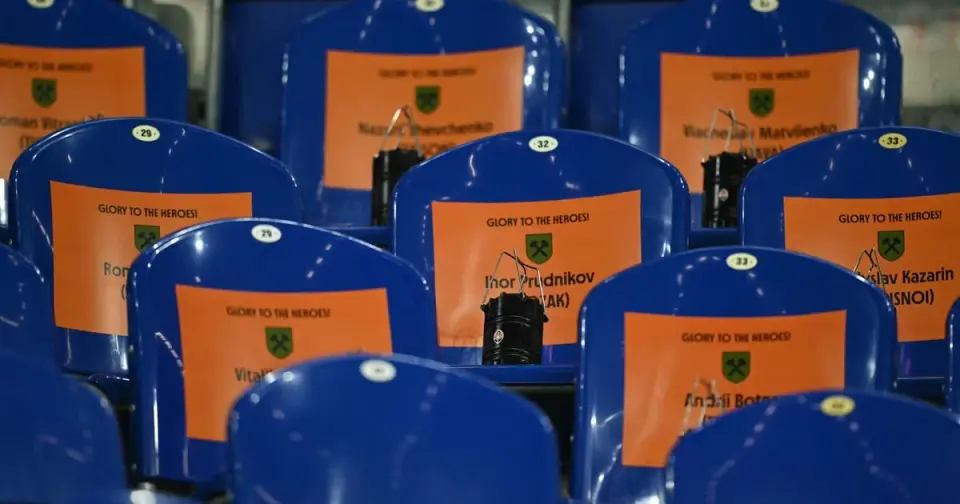
Ukraine’s Shakhtar Donetsk is using its Champions League residency at Chelsea’s Stamford Bridge to project national resilience and attract Western investment. Forced out of its home city in 2014 and displaced by the 2022 invasion, the club now plays four home games in London this season. While sporting success is secondary, club leaders and owner Rinat Akhmetov’s SCM group are leveraging the platform to argue that Ukraine’s economic stability is vital for European security, countering Russian hybrid warfare and corruption allegations.
Key points
- Shakhtar Donetsk will play four Champions League home matches at Chelsea’s Stamford Bridge in 2026, including against Real Madrid, AEK Athens, Sporting CP, and Fenerbahçe.
- The club’s CEO, Sergei Palkin, states they represent the entire nation, not just the club, aiming to support the Ukrainian diaspora in the UK and maintain visibility amidst negative war news.
- SCM, owned by Rinat Akhmetov, is launching an 'Invest in Ukraine' campaign, arguing that Ukrainian economic strength is essential for European energy and food security.
- Logistical challenges remain severe; players travel up to 18 hours via Poland to reach London, and administrative systems in Kyiv are frequently disrupted by Russian strikes.
- The club faces criticism in Ukraine regarding the high cost and visa delays for fans traveling to London, though local diaspora support is robust.
Background
Shakhtar Donetsk has been displaced from its home city since 2014 due to Russian-backed separatist forces, and since 2022, it has played home European matches in Poland, Germany, and Slovenia. This marks the first season the club is based in England. The move coincides with intensified Russian attacks on Ukrainian infrastructure, including shopping malls and logistics centers, which SCM officials describe as attempts to demoralize the population. Previous archive coverage notes ongoing escalations in the war, including Arctic strikes and retaliatory barrages, highlighting the persistent instability that forces such logistical adaptations.
How outlets are covering it
POLITICO emphasizes the geopolitical dimension, framing the club’s presence as a strategic tool for SCM to attract Western investment by linking Ukraine’s reconstruction to European security. They highlight SCM’s anti-corruption stance in response to recent graft investigations involving Ukrainian officials. BBC Sport focuses on the human and social impact, detailing how the London residency unites the Ukrainian diaspora, allowing rival fans to support a common national cause and providing a psychological refuge from the war. The Guardian provides a granular logistical perspective, documenting the grueling travel routes, border delays, and administrative hurdles caused by Russian strikes on Kyiv’s systems, while noting the emotional toll on players and staff. While all sources agree on the symbolic importance of the move, POLITICO views it as an economic opportunity, the BBC as a community-building event, and The Guardian as a testament to endurance under extreme hardship.
Why it matters
This story illustrates how cultural and sporting institutions are repurposed as instruments of national survival and diplomatic engagement during wartime. By leveraging the global visibility of the Champions League, Ukraine is attempting to counter Russian hybrid warfare narratives and secure long-term economic commitments. The success of this strategy depends on translating symbolic presence into tangible investment and sustained Western support, demonstrating that the war’s impact extends beyond the battlefield into the realms of economics, culture, and international perception.
What to watch
Shakhtar Donetsk will begin their London residency with a match against AEK Athens on October 14, 2026. The club aims to attract an average of 30,000 supporters per game, relying heavily on the Ukrainian diaspora in the UK. Future fixtures include visits from Real Madrid in January. SCM will continue its 'Invest in Ukraine' campaign, targeting Western investors with arguments centered on energy and food security. The club must also navigate ongoing logistical challenges, including potential disruptions to administrative systems in Kyiv and the physical toll of long-distance travel on players.
- Ukraine brings war effort to football’s Champions League POLITICO.eu
- Champions League: How Ukrainians are uniting behind Shakhtar Donetsk in London - at new Stamford Bridge home BBC
- Why Shakhtar Donetsk are playing AEK Athens at Stamford Bridge tonight Yahoo Sports
- Joining Shakhtar as they make base in London: ‘We’re here to show the world that we are alive’ The Guardian
- Why are Shakhtar playing Champions League games at Chelsea's Stamford Bridge? ESPN
Want the full story? Read the original reporting
Read on POLITICO.eu