
Bahrain GP in Malaysia: Tyre Degradation and Weather Define Confusing Friday
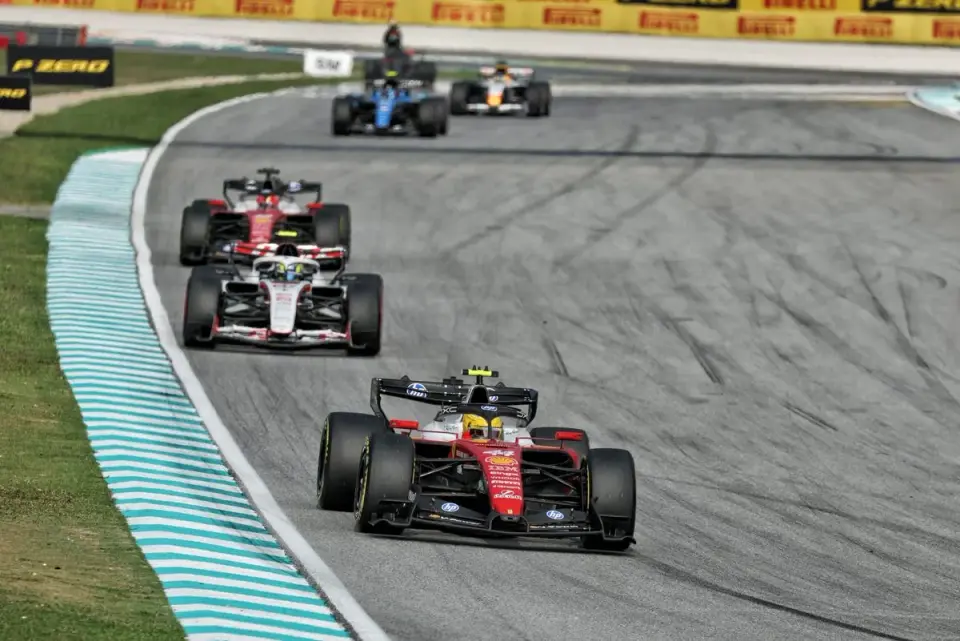
Friday practice at the 2026 Bahrain Grand Prix, held at Sepang in Malaysia, was dominated by extreme tyre wear and unpredictable weather. Red Bull’s Max Verstappen led the long-run simulations, while Mercedes struggled with a new upgrade package. The race is a substitute for the cancelled Bahrain event, featuring unique logistical and branding adjustments.
Key points
- The Bahrain Grand Prix is being held at the Sepang circuit in Malaysia due to the cancellation of the original Bahrain and Saudi Arabia races earlier in the year.
- Track conditions were severe, with temperatures exceeding 60C and high humidity causing significant tyre degradation, described by drivers as 'high macro' roughness similar to Bahrain.
- Max Verstappen led the average long-run simulations in FP2, while Charles Leclerc topped the headline times in the second session.
- Mercedes tested a major upgrade package for the first time since June, but George Russell reported issues with tyre overheating and front-end instability.
- Grid penalties were confirmed for Isack Hadjar, Arvid Lindblad, and Franco Colapinto, with Colapinto facing a combined 15-place penalty.
Background
This event follows a 2026 season characterized by evolving powertrain regulations and track-specific challenges. Previous races, such as Baku and Monza, highlighted the impact of new energy deployment rules and surface conditions on performance. The current calendar adjustments reflect broader geopolitical disruptions affecting the Middle East, forcing F1 to utilize alternative venues like Sepang, which had not hosted a race since 2017.
How outlets are covering it
The Race and Autosport emphasize the technical challenges of the Sepang circuit, noting that the track's roughness and heat have created a 'high degradation' scenario that contrasts with recent low-wear races. BBC highlights the competitive order, noting that while Mercedes tested a new upgrade, Verstappen’s Red Bull appeared strongest in race simulations. Autosport provides detailed data on long-run performance, showing Red Bull and McLaren close at the top, while Mercedes lagged slightly behind its rivals despite the new package. All sources agree that weather and tyre management will be critical for the weekend.
Why it matters
The outcome of this race will determine the championship trajectory, particularly for George Russell, who trails Kimi Antonelli by 66 points. The extreme conditions at Sepang may disrupt the usual competitive order, offering opportunities for teams to gain an advantage through superior tyre management and strategic planning. Additionally, the race serves as a test for the 2026 regulations in a high-heat, high-degradation environment.
What to watch
Teams will analyze data from Friday’s sessions to refine their setups for Saturday’s qualifying, focusing on managing tyre degradation and front-end stability. The weather forecast remains a key variable, with rain potentially impacting the soft-tyre runs and qualifying strategy. The race will feature the Bahrain Grand Prix trophy and rosewater on the podium, reflecting the event’s unique status as a substitute for the cancelled Bahrain race.
- What we really learned from F1 2026's most confusing Friday The Race
- Leclerc tops FP2 from Hadjar at Bahrain GP in Malaysia Formula 1
- Bahrain GP in Malaysia 2026: Russell says Red Bull strongest BBC
- Bahrain GP in Malaysia: Max Verstappen leads first practice from George Russell espn.com
- What we learned from Friday practice at the 2026 Bahrain GP in Malaysia Autosport
Want the full story? Read the original reporting
Read on The Race