
Forgotten 1991 Debut: The High Schoolers Who Preceded Cavan Sullivan
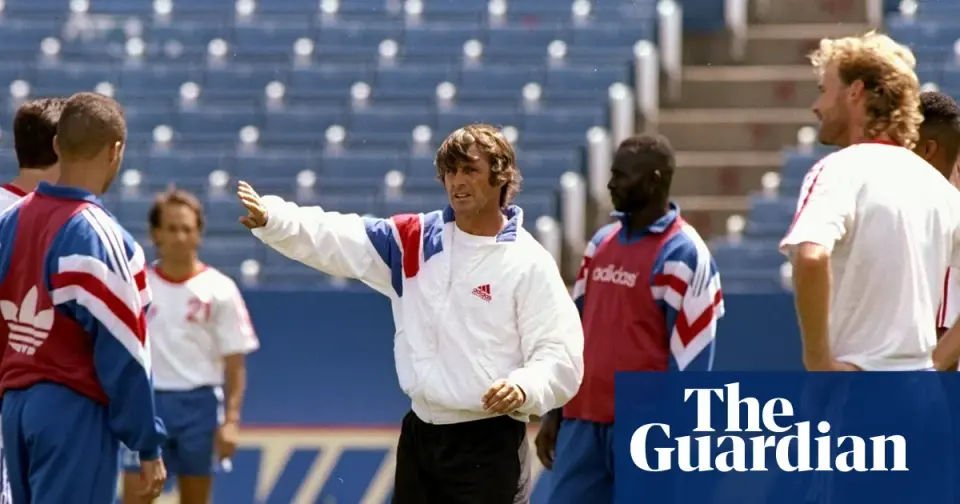
As 16-year-old Cavan Sullivan prepares to potentially debut for the US men’s national team, The Guardian highlights a forgotten trio—Mike Slivinski, Mark Jonas, and Nelson Vargas—who achieved similar feats in 1991. These high schoolers played in a friendly against Jamaica under coach Bora Milutinovic, predating modern youth development systems. While Vargas earned additional caps, Slivinski and Jonas appeared only once. The article contrasts their isolated experiences with today’s structured pathways, noting that Sullivan’s call-up marks a shift in how the US Soccer Federation identifies and supports young talent.
Key points
- Cavan Sullivan, 16, is poised to become one of the youngest US men’s national team players, joining a list that includes Freddy Adu and Christian Pulisic.
- In 1991, Mike Slivinski, Mark Jonas, and Nelson Vargas debuted for the US in a friendly against Jamaica, all aged 16 or younger.
- Coach Bora Milutinovic identified these players after observing them at the U-17 World Cup in Italy, where the US youth team outperformed squads featuring future stars like Alessandro Del Piero.
- Slivinski and Jonas received only one cap each, while Nelson Vargas earned three additional caps between 1991 and 1994 before playing in the 1996 Olympics.
- The 1991 debut went largely unnoticed by mainstream media, unlike today’s coverage of young call-ups, reflecting the lack of social media and soccer infrastructure at the time.
Background
The US Soccer Federation has significantly invested in youth development and talent identification since the early 1990s, creating structured pathways like MLS Next and the Olympic Developmental Program. This contrasts with the era of Slivinski, Jonas, and Vargas, who relied on local high school and club teams without centralized support. Recent archives highlight ongoing efforts to promote domestic manufacturing and sports, but the focus here is on the evolution of youth soccer infrastructure. The 1994 World Cup hosting period marked a turning point for US soccer, but the 1991 trio’s experience underscores the fragmented nature of talent identification before modern systems were established.
How outlets are covering it
The Guardian provides a detailed narrative on the 1991 trio, emphasizing their lack of recognition and the rudimentary support systems of the era. ESPN’s source is unavailable due to a 403 error, so no comparative perspective can be drawn from it. The Guardian’s account highlights the contrast between the 1991 players’ isolated experiences and the current structured environment for young athletes like Cavan Sullivan. It also notes that while Vargas had a longer international career, Slivinski and Jonas faced challenges such as injuries and limited opportunities, reflecting the instability of US soccer in the 1990s. The article underscores how modern youth development has transformed the pathway for young players, making Sullivan’s call-up a more mainstream occurrence than it was for the 1991 trio.
Why it matters
The story of the 1991 trio illustrates the evolution of US soccer’s approach to youth development. Their lack of recognition and limited opportunities highlight the fragmented nature of talent identification before modern systems were established. Today, players like Cavan Sullivan benefit from structured pathways, centralized support, and media attention, reflecting a significant shift in how the US Soccer Federation identifies and nurtures young talent. This evolution underscores the importance of sustained investment in youth programs and the changing landscape of soccer in the US.
What to watch
Cavan Sullivan may debut for the US men’s national team in the upcoming international window, potentially becoming one of the youngest players in US history. His call-up reflects the current emphasis on youth development and the structured pathways available to young athletes. The US Soccer Federation will likely continue to monitor and support young players through programs like MLS Next, ensuring that future call-ups are well-supported and integrated into the national team’s strategy. The legacy of the 1991 trio serves as a reminder of the progress made in youth soccer infrastructure, but also highlights the ongoing need for consistent support and recognition for young athletes.
- ‘I’m pretty sure I didn’t imagine it’: the little-known trio of high schoolers who made USMNT history The Guardian
- Mauricio Pochettino: Cavan Sullivan ready for USMNT debut ESPN
- The 16-Year-Old Sensation Shaking Up American Soccer WSJ
- A Bridesburg basement and three older brothers helped Cavan Sullivan become the future of U.S. Soccer Inquirer.com
- The making of Cavan Sullivan: Soccer in diapers, an ‘F you’ mentality and a family obsession - The Athletic The New York Times
Want the full story? Read the original reporting
Read on The Guardian