
LIV Golf Collapse Accelerates as BC Partners Abandons 'LIV 2.0' Amid Player Shortfall
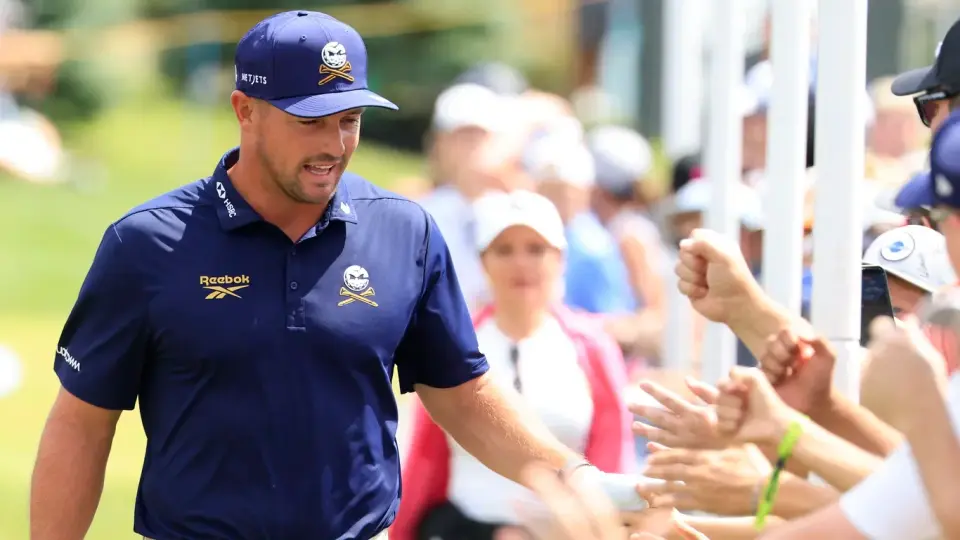
LIV Golf is effectively ending after its primary financial backer, BC Partners, withdrew from the plan to create a successor league known as 'LIV 2.0.' The collapse follows a failure to secure sufficient star power, with key figures like Jon Rahm exiting contracts. The league, which spent over $5 billion since its 2022 launch, is now shifting toward asset liquidation in U.S. bankruptcy court.
Key points
- BC Partners Credit, which had pledged up to $300 million for the restructured league, dropped the plan due to a lack of player support, according to The Financial Times.
- LIV 2.0 required at least 10 tournaments and offered player equity, but only four players, including Brendan Steele and Cameron Tringale, publicly supported the initiative.
- Jon Rahm was released from his contract in a deal to be approved in U.S. Bankruptcy Court in New Jersey, shifting the focus from restructuring to liquidation.
- The Saudi Public Investment Fund (PIF), which backed the league’s 2022 launch, stopped funding after the 2026 season following a shift in investment strategy in April.
- The European tour issued an ultimatum barring players who signed with LIV 2.0 from DP World Tour membership, effectively excluding them from the Ryder Cup.
Background
LIV Golf filed for Chapter 11 bankruptcy on September 8, 2026, after spending more than $5 billion since its launch. Previous archive reports indicated that by late October, only about 15 players had tentatively committed to the new league, falling short of the 30 to 40 required by investors. Jon Rahm had previously rejected the terms of LIV 2.0 in early October, while Sergio Garcia was legally released from his contract. The league’s final event was held in August 2026 in Indianapolis, won by Michael La Sasso.
How outlets are covering it
AP News and The Financial Times report that BC Partners abandoned the 'LIV 2.0' plan due to insufficient player interest, specifically noting a lack of star power. AP News highlights that while LIV had up to 30 willing players, the absence of major names like Rahm and Bryson DeChambeau doomed the venture. The European tour, represented by CEO Guy Kinnings, emphasized the need to protect the DP World Tour from an entity that allegedly aimed to destroy it, citing the $7 billion spent by LIV. Axios’s primary source was inaccessible, but its headline aligns with the reported collapse. ESPN’s source was blocked, offering no additional perspective.
Why it matters
The collapse of LIV Golf marks the end of a major attempt to disrupt professional golf, which had lured top players with nine-figure signing bonuses. The failure of 'LIV 2.0' signals that financial backing alone cannot sustain a league without elite athlete participation. It also resolves the uncertainty surrounding the future of players who had left the PGA Tour and European tours, allowing them to potentially return to traditional circuits through established re-entry paths.
What to watch
LIV Golf is expected to seek liquidation of its assets in U.S. Bankruptcy Court, with a hearing scheduled for Thursday. The league has changed its address in court records from New York to Claymont, Delaware. Players like Patrick Reed are poised to return to the PGA Tour, while others may negotiate individual deals. The European tour will enforce its ban on former LIV 2.0 signatories, impacting their eligibility for major events like the Ryder Cup.
- LIV Golf collapse imminent after BC Partners withdraws Axios
- Sources: BC Partners pulls out of financing deal in major blow to LIV Golf 2.0 ESPN
- BC Partnership pulls $300 million investment deal, LIV Golf heading toward liquidation Yahoo Sports
- Report: LIV’s financial backer dropping plan for new league in 2027 AP News
- LIV Golf Nears Liquidation After Turnaround Plan Derailed Bloomberg.com
Want the full story? Read the original reporting
Read on Axios