
Medical scrutiny intensifies after Spanish striker dies from on-pitch collision
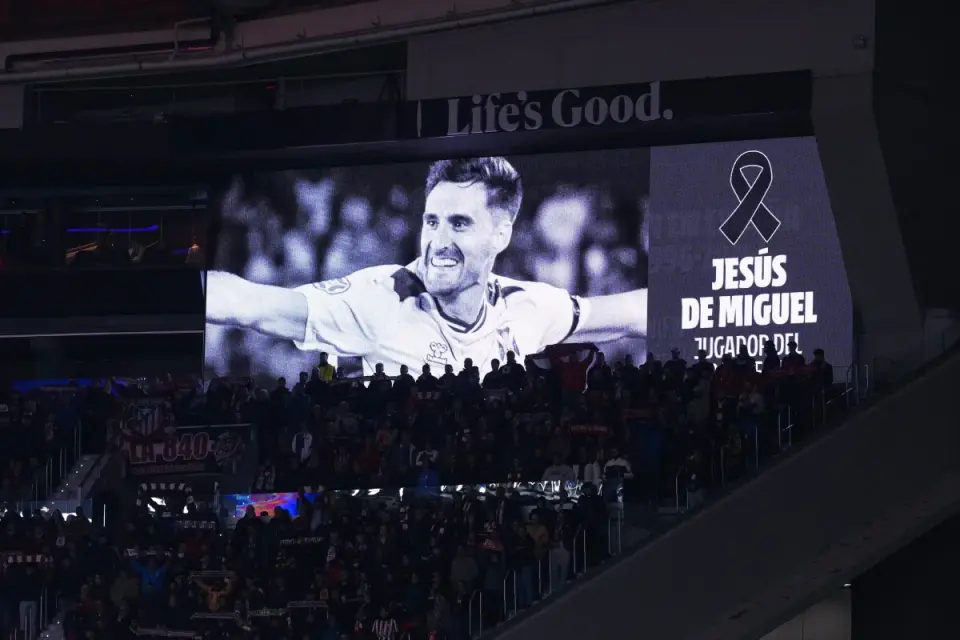
Spanish authorities are investigating the emergency medical response following the death of CD Tenerife forward Jesús de Miguel, who died after a collision with FC Andorra goalkeeper Jesús Owono. While police probe the incident for possible involuntary manslaughter, questions remain regarding the timing of CPR and defibrillator use on the pitch.
Key points
- Jesús de Miguel, 30, died on Tuesday after suffering cardiac arrest during a second-division match against FC Andorra.
- The collision occurred in stoppage time when goalkeeper Jesús Owono rushed to clear a ball, striking De Miguel in the chest.
- Spain’s National Police opened an investigation into possible involuntary manslaughter, a standard procedure for non-natural deaths.
- Medical experts question whether emergency protocols were followed, specifically regarding the speed of CPR and defibrillator usage.
- Tenerife’s largest shareholder, Rayco García, stated the medical team followed protocol but acknowledged details remain unclear.
- FC Andorra issued a statement from Owono expressing grief, while teammates defended him against accusations of intentional harm.
Background
This incident follows previous coverage of the immediate aftermath, including the suspension of Spanish football fixtures and tributes from European clubs. Earlier reports noted that prosecutors deemed criminal charges against the goalkeeper unlikely, viewing the collision as an accident within the normal course of play.
How outlets are covering it
AP News highlights significant uncertainty regarding the on-field medical treatment, noting contradictory reports about whether CPR was administered on the pitch or in the ambulance. Elvira González of Spain’s Association of Nurses emphasized that international standards require immediate action, stating that moving a patient before pulse restoration is incorrect. In contrast, BBC Sport focused on the emotional response, detailing Owono’s statement describing the event as the 'most difficult days of my life' and his teammate Lautaro Spatz’s defense that the goalkeeper would never intentionally hurt anyone. While AP questions the efficacy of the medical response, BBC emphasizes the lack of intent and the grief of the involved parties. Tenerife’s owner, Rayco García, acknowledged the medical team acted quickly but expressed a desire for the investigation to clarify any preventable errors.
Why it matters
The case raises critical questions about emergency medical protocols in professional sports. It highlights the tension between standard judicial procedures for non-natural deaths and the specific risks of on-field collisions. The scrutiny over CPR and defibrillator usage may lead to revised safety guidelines in Spanish football to ensure faster response times in future cardiac emergencies.
What to watch
An autopsy is expected to provide definitive answers regarding the cause of death and the efficacy of the medical response. Tenerife has scheduled a funeral for Thursday in Toledo and will open its stadium on Saturday for fans to pay respects. The police investigation will determine if any procedural failures occurred during the emergency treatment.
- Questions arise over the emergency treatment given to Spanish soccer player in fatal collision AP News
- Jesus de Miguel, the Spanish striker whose tragic death has shocked football The New York Times
- Tenerife striker De Miguel dies after collision in match Reuters
- Andorra GK Owono on De Miguel death: 'Most difficult days of my life' ESPN
- 'Most difficult days of my life' for keeper Owono BBC
Want the full story? Read the original reporting
Read on AP News