
Schiff’s ECM Brahms Release Praised for Depth, Criticized for Period Piano Timbre
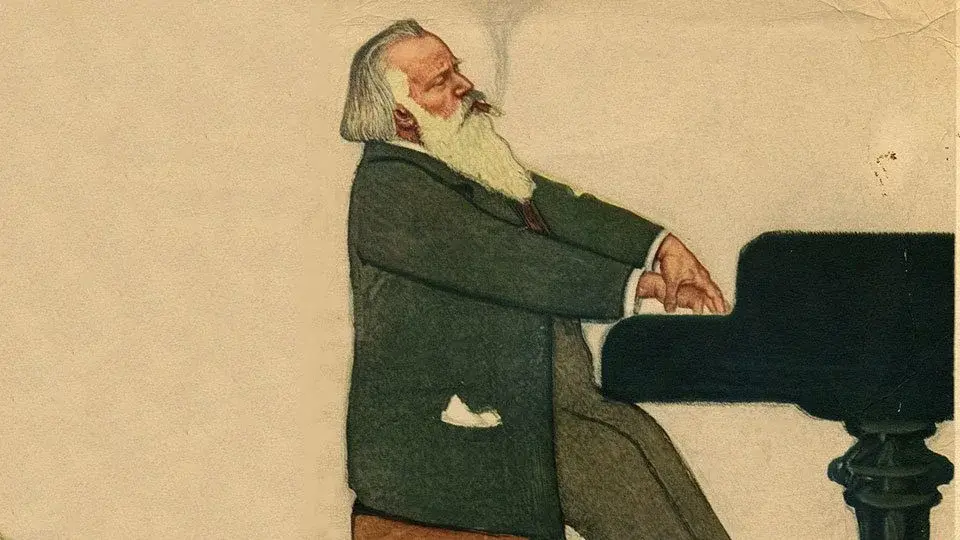
Andras Schiff’s new ECM recording of Brahms’s late piano works is praised for its emotional depth and authority, though the use of an 1859 Blüthner piano draws criticism for its woody timbre and clipped phrasing.
Key points
- The album features Brahms’s last four solo piano sets (Opp. 116, 117, 118, 119) plus Op. 76, recorded in March 2021 at the Beethovenhaus in Bonn.
- Norman Lebrecht rates the release four stars, describing the music as possessing an 'unarguable authority' and serving as a source of consolation during stressful times.
- The recording was made during the thirteenth month of the pandemic, a period Lebrecht notes was particularly anxious for many listeners.
- Lebrecht criticizes the choice of an 1859 Blüthner piano, noting it was considered outdated technology when the pieces were composed, resulting in a 'woody' sound and clipped phrase endings.
- Despite the sonic quirks, the reviewer finds the performance compelling enough to warrant repeated listening, comparing the experience to watching snooker on a black-and-white television.
Background
This release follows recent classical music industry developments, including the Chicago Symphony Orchestra’s recent pay deal and the death of composer Bryan Kelly. It also aligns with broader trends in classical recording where artists increasingly explore historical performance practices, though this specific choice has sparked debate regarding the suitability of period instruments for late Romantic repertoire.
Why it matters
The debate over period instruments in late Romantic music highlights ongoing tensions in classical performance practice, balancing historical authenticity against the expressive demands of the repertoire. Schiff’s choice challenges conventional wisdom by using an instrument that predates the composition of these works by decades, prompting discussions on how timbre affects emotional resonance.
What to watch
Listeners and critics will likely continue to debate the merits of using 19th-century pianos for late 19th-century compositions. Future releases may see more artists experimenting with historical instruments, or conversely, a return to modern pianos to ensure a broader tonal palette.
Want the full story? Read the original reporting
Read on Slipped Disc