
Five Practical Drawbacks of Switching to Induction Cooking
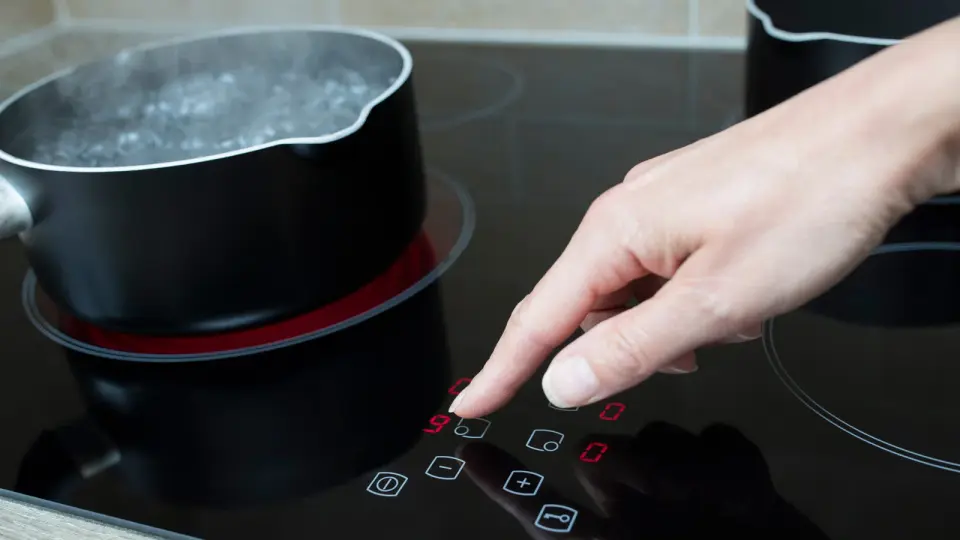
While induction stovetops offer energy efficiency, they present five key disadvantages: strict cookware compatibility requirements, higher upfront installation costs, fragile glass surfaces, loss of tactile feedback, and potential health risks for users of medical devices.
Key points
- Cookware Limitations: Only magnetic cookware works, excluding pure aluminum, copper, glass, and ceramic items. Round-bottomed woks are also incompatible as only flat-bottomed pans heat evenly.
- High Upfront Costs: Switching from gas requires an electrician to install a 240-volt wall socket. Induction units are generally pricier than standard ranges, and specialized repair services remain scarce in the U.S.
- Fragile Surfaces: The glass top is susceptible to chipping, scratching, and cracking from heavy use. Touch controls require bare, clean hands to function, which is impractical during messy cooking tasks.
- Loss of Tactile Feedback: Unlike gas flames, induction burners do not visually indicate heat levels. Users must rely on glowing lights or markings to know when the surface is hot, which can be easily overlooked.
- Medical Safety Concerns: The electromagnetic fields generated by induction cooktops may interfere with pacemakers and other implanted medical devices. Users should consult their doctors before installing these units.
Background
Induction adoption in the U.S. remains low at 12%, lagging behind China and Japan, though the 2022 Inflation Reduction Act aims to incentivize purchases. Previous coverage noted that while induction offers precise control and easier cleanup, users must adjust to new cooking levels and verify cookware compatibility.
Why it matters
As more consumers consider switching to induction for energy savings, understanding these practical drawbacks is essential. The high initial investment, strict cookware requirements, and potential health risks for medical device users require careful planning and professional consultation before making the switch.
What to watch
Consumers should test their existing cookware with a magnet to ensure compatibility, budget for potential electrical upgrades, and consult healthcare providers if they use implanted medical devices. Manufacturers may need to develop more durable surfaces and clearer visual indicators to address user concerns.
Want the full story? Read the original reporting
Read on Mashed