
Microsoft-Owned Studios Force AI-Generated Fallout and Call of Duty Projects Offline
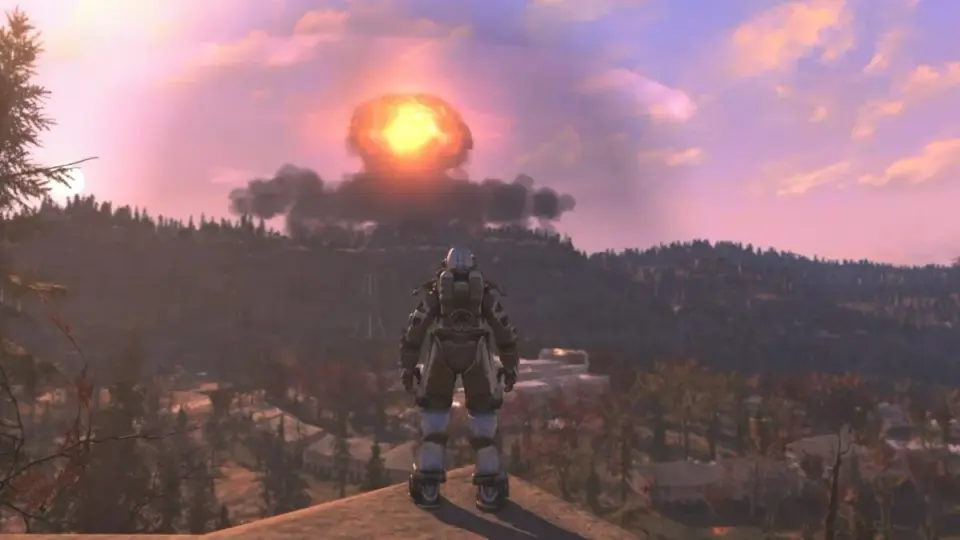
Activision and Bethesda have issued legal threats against two AI-generated video game projects, forcing their creators to take them offline. The first, 'Fallout: New York,' was a browser-based recreation of the franchise built with Claude Opus 5.5, while the second involved an AI-assisted decompilation of the original 'Modern Warfare 2.' Both actions highlight a growing conflict between large publishers and independent developers using generative AI to recreate or reverse-engineer existing intellectual property.
Key points
- Bethesda issued a cease-and-desist order to ChrisFirst, forcing him to remove 'Fallout: New York,' a browser-based game generated entirely by code using Claude Opus 5.5.
- Activision disabled a video shared by Maurice Heumann, who claimed to be using 17 AI agents to decompile the source code of the original 'Modern Warfare 2' for PC.
- The 'Fallout: New York' project had garnered over 3.5 million views before being taken down just days after its September 28, 2026, release.
- Both Activision and Bethesda are owned by Microsoft, which recently reorganized its studio structure to consolidate franchises like Fallout and Halo under specific divisions.
- Critics of the takedowns have compared the publishers' actions to the music industry's historical response to Napster, arguing they target individual creators rather than the underlying AI technology.
Background
These legal actions occur against the backdrop of a major restructuring at Microsoft's Xbox division. In late September 2026, Xbox reorganized its studio lineup, moving Obsidian Entertainment under Bethesda and Rare under Activision. This consolidation was framed as a move to strengthen major franchises, including a new Fallout project and the next Halo title, following a second wave of layoffs that affected 268 employees. The recent takedowns of AI-generated projects suggest that these consolidated entities are actively enforcing their intellectual property rights against unauthorized recreations.
How outlets are covering it
Kotaku and Insider Gaming report the facts of the takedowns, noting the rapid removal of the 'Fallout: New York' project after it went viral. PC Gamer offers a contrasting editorial perspective, expressing satisfaction with the corporate legal action, arguing that it is appropriate for publishers to protect their intellectual property from AI-generated 'slop.' In contrast, Kotaku highlights community backlash, quoting a commenter who likens the publishers' strategy to the music industry's failed attempts to stop Napster, suggesting that targeting individual creators is an ineffective long-term strategy. Insider Gaming also notes that the 'Fallout: New York' project was widely criticized by fans for its poor quality and lack of originality, with some users pointing out that New York is canonically a desolate crater in the Fallout universe, making the setting a poor choice for a new game.
Why it matters
This incident marks a significant escalation in the legal battle between major game publishers and the emerging trend of 'vibe coding,' where users employ generative AI to recreate or decompile existing games. As AI tools become more capable of generating complex game assets and code, publishers are increasingly forced to rely on traditional copyright and trademark enforcement to protect their intellectual property. The outcome of these takedowns will likely set a precedent for how the gaming industry handles AI-generated content in the future, potentially influencing the development of new legal frameworks or industry standards for AI-generated media.
What to watch
The immediate next step is to monitor whether Activision and Bethesda pursue further legal action against other AI-generated projects or if they will target the AI companies themselves, as some in the Hollywood industry have done. The long-term implications will depend on whether these takedowns deter the creation of similar projects or if they will lead to a broader legal challenge against the use of AI for game development. Additionally, the success of these takedowns may influence the future of fan-made projects and mods, as publishers may become more aggressive in enforcing their intellectual property rights against any unauthorized use of their brands.
- Activision And Bethesda Crackdown On GenAI MW2 And Fallout Projects kotaku.com
- For once, I'm happy to see expensive corporate lawyers forcing a fan project offline PC Gamer
- Fallout: New York Appears Online, and ZeniMax Immediately Shuts It Down Insider Gaming
- Bethesda kills AI fan's viral Fallout game, much to their chagrin Yahoo Tech
- New Fallout Game Officially Shut Down By Bethesda IMDb
Want the full story? Read the original reporting
Read on kotaku.com